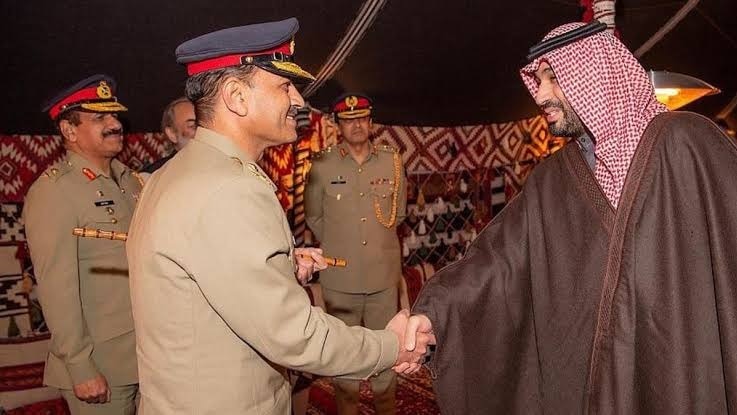
Pakistan has signed a trilateral defence agreement in Mecca with Saudi Arabia and Turkey, giving it a new strategic depth. The move could reshape Indo‑Pak tensions and alter the regional balance of power.
Key Takeaways
- The Mecca pact provides Pakistan with strategic backing from Saudi Arabia and Turkey.
- The agreement may heighten India‑Pakistan tensions.
- Field Marshal Asim Munir’s global diplomacy is the driving force.
Background of the Mecca Agreement
Last week, Pakistan, Saudi Arabia, and Turkey sealed a trilateral defence pact in Mecca, often dubbed an "Islamic NATO." The deal is aimed at containing Iran and giving Pakistan a fresh strategic cushion amid economic and security challenges.
Prime Minister Shehbaz Sharif and Field Marshal Asim Munir presented the pact as a solution to Pakistan’s faltering economy and growing security threats. Munir’s earlier outreach to former U.S. President Donald Trump positioned him as a key diplomatic player.
Historical Background
In 1972, President Zulfikar Ali Bhutto toured Iran, Saudi Arabia, and Libya to fund Pakistan’s nascent nuclear program. Since then, Pakistan has repeatedly leveraged foreign partnerships to boost its defence capabilities.
Over the decades, alliances with China, the Gulf states, and other partners have shaped Pakistan’s strategic posture, often balancing against Indian pressure.
Why This Matters
BozokMedia analysis shows that the Mecca pact could reshape South Asian security dynamics, forcing India to reassess its deterrence posture while offering Pakistan a diplomatic shield against future Indian retaliation.
"The Mecca agreement may become a new chapter of strategic flexibility for Pakistan," says security analyst Dr. John Patel.
Frequently Asked Questions
Q1: Will Saudi Arabia and Turkey commit troops under this pact?
A: No explicit troop commitments have been made yet; both nations have offered political support.
Q2: How might the agreement affect India‑Pakistan relations?
A: It could exacerbate tensions, as India may view the alliance as a strategic threat.