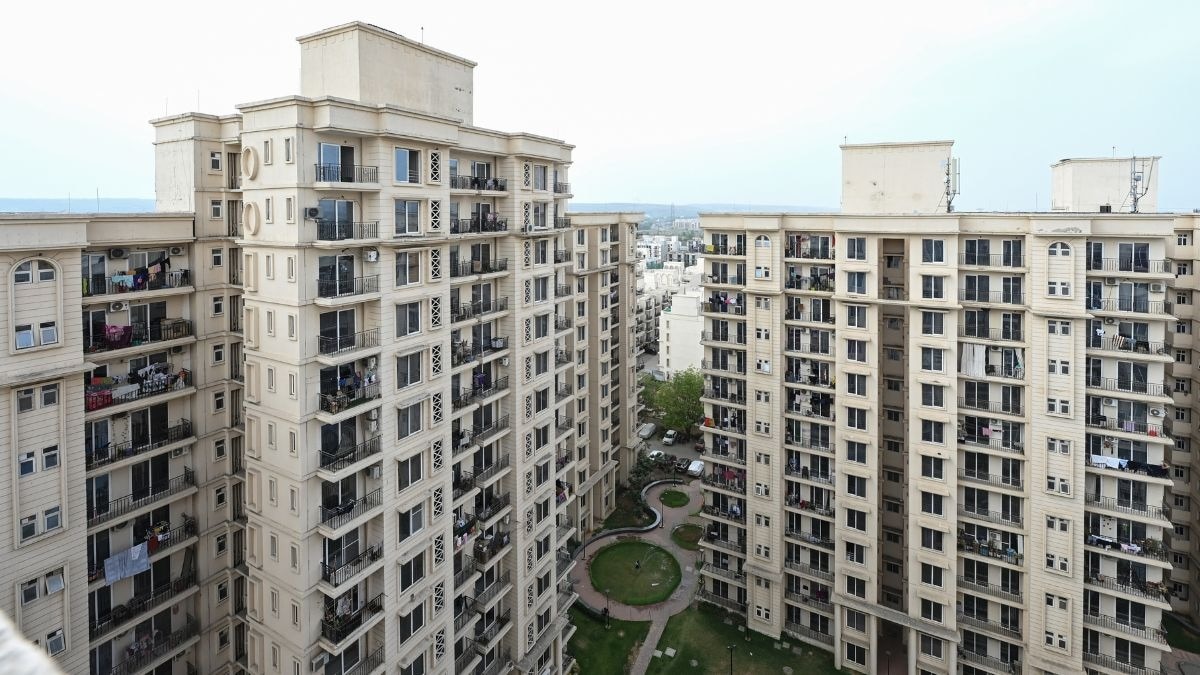
Urban India faces soaring property prices that outpace income growth, leaving many without affordable housing options. This article explores the structural factors behind the affordability gap.
Key Takeaways
- Urban population is exploding
- Real‑estate prices are rising faster than incomes
- Policy gaps hinder affordable housing
Population Surge in Cities
India’s urban population has grown by over 40% in the last two decades, creating unprecedented demand for housing and driving prices sky‑high.
Income vs. Price Imbalance
While average incomes have risen 6‑7% annually, property values in major metros have surged 12‑15% per year, making homeownership out of reach for middle‑class families.
Policy Shortcomings
Government schemes like PMAY and NUHM aim to bridge the gap, yet delays in land allocation, approvals, and financing dilute their impact.
Why This Matters
BozokMedia analysis shows that the lack of affordable housing fuels social unrest and hampers economic growth, as a large segment of the population remains locked into rent cycles.
"Without stronger land‑price controls and robust subsidies, the urban affordability gap will widen," says Ajay Kumar, real‑estate analyst.
Frequently Asked Questions
Question 1: What government schemes exist for affordable housing?
Answer: Programs such as the Pradhan Mantri Awas Yojana (PMAY) and the National Urban Housing Mission (NUHM) target low‑income buyers, though implementation varies.
Question 2: How can the private sector help lower costs?
Answer: Through public‑private partnerships, low‑cost construction technologies, and land‑price regulation.