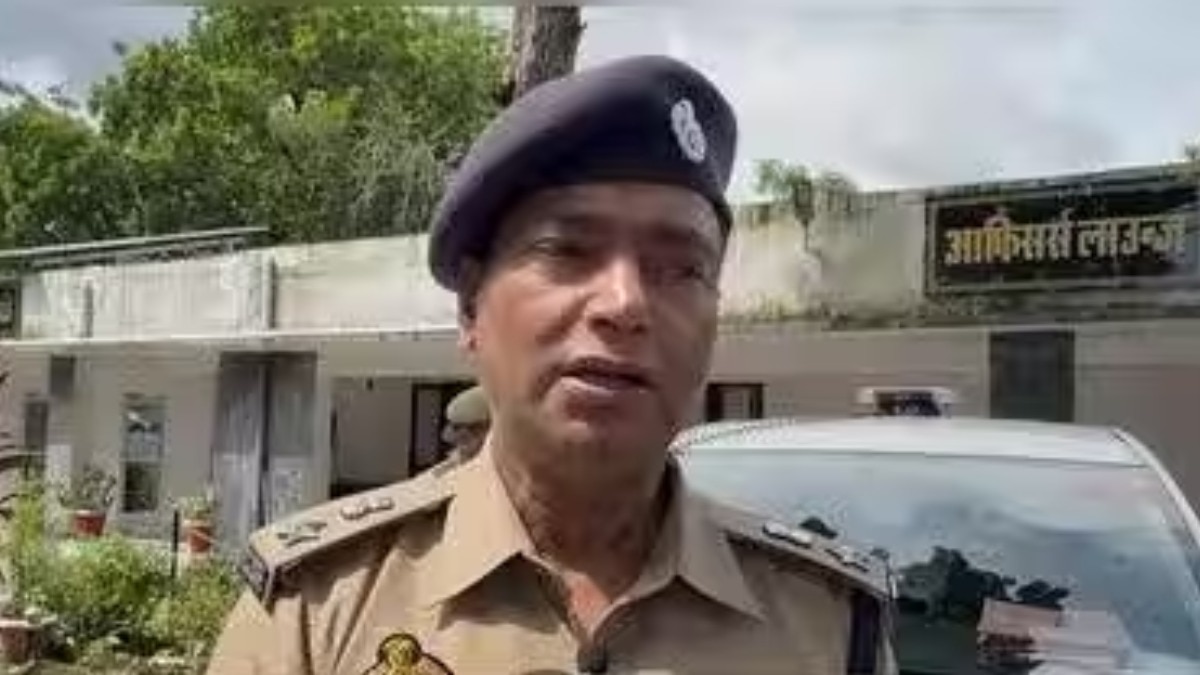
Rampur SP Anil Kumar Singh Sisodia’s comment that a true Muslim would not kill a cow ignited public backlash. He later clarified the statement was meant to promote communal harmony, not to offend any faith.
Key Takeaways
- Rampur SP said a true Muslim would never slaughter a cow.
- The remark triggered criticism and heated debate.
- He clarified the comment was intended as a call for social harmony.
Rampur Superintendent of Police Anil Kumar Singh Sisodia, in a viral video, declared that "a true Muslim won’t slaughter a cow" and labeled those involved in such acts as "scoundrels" or "not true Muslims." The statement came after reports of cow‑slaughter incidents in the Ganj and Swar police station areas during the month of Shravan.
Sisodia emphasized that, according to Islamic teachings, killing an animal in a way that hurts another community’s religious sentiments is haram (forbidden). He asserted that dealing with such individuals is part of his duty and announced meetings with mutawallis and clerics to prevent future incidents.
The comment drew swift criticism from community leaders and civil society groups, who argued that the phrasing could deepen communal divides. In response, Sisodia issued a clarification, stating his remarks were aimed solely at fostering social harmony and were not intended to insult any religion.
Why This Matters
BozokMedia analysis shows that statements from law enforcement officials on religious matters can quickly amplify communal sensitivities, influencing public perception and inter‑community relations across the region.
"Such remarks can inflame social tensions; officials must choose their words with utmost care," says social science professor Dr. Rajiv Bhatia.
Frequently Asked Questions
Question 1: Could legal action be taken against the officer for his remarks?
Answer: No formal complaint has been lodged yet, but several NGOs have called for an investigation.
Question 2: What steps has the police taken to curb cow‑slaughter?
Answer: The SP ordered a verification drive, meetings with religious leaders, and the preparation of dossiers on individuals involved in past incidents.