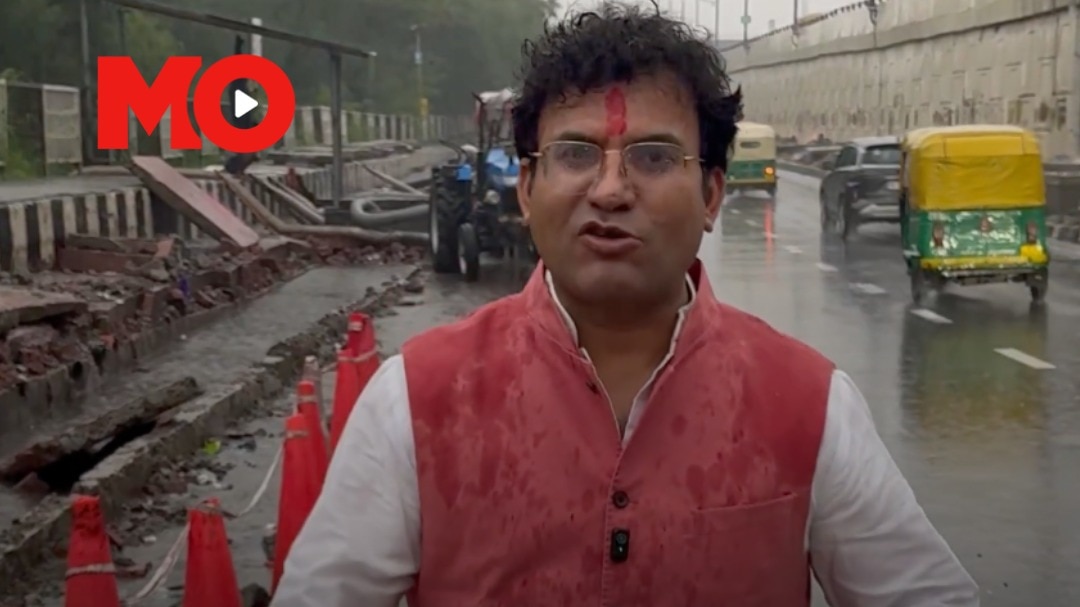
A BJP MLA publicly praised Delhi Chief Minister Rekha Gupta for effectively eliminating waterlogging across key districts. While citizens celebrate the relief, political analysts are probing the strategic timing behind the move.
Key Takeaways
- BJP MLA lauds CM Rekha Gupta for fixing waterlogging
- Major flood‑prone areas in Delhi see clear streets
- Political implications and future challenges are under debate
In a recent statement, a senior BJP legislator hailed Delhi Chief Minister Rekha Gupta’s aggressive water‑logging mitigation program. The MLA highlighted that newly deepened drainage channels and resurfaced roads have stopped water from pooling in traditionally flood‑prone neighborhoods.
Gupta’s administration allocated a special budget over the past six months to deepen more than 150 km of roads, clear clogged drains, and install smart sensors for real‑time water level monitoring. As a result, complaints from areas like North Delhi’s Pindi Road and South Delhi’s Kalkaji have dropped dramatically.
Historical Background
Delhi’s water‑logging woes date back decades, with the city experiencing an average of 30‑40 major flooding incidents each monsoon season between 2010 and 2020. Previous governments launched multiple schemes, yet inadequate infrastructure left the problem entrenched, making it a perennial political flashpoint.
Why This Matters
BozokMedia analysis shows that effective urban infrastructure projects can become decisive electoral assets. By addressing a chronic civic grievance, the CM not only improves daily life but also strengthens her party’s standing ahead of upcoming municipal elections.
"Improving drainage isn’t just a technical fix; it’s a chance to reset the city’s socioeconomic fabric," notes urban‑planning expert Dr. Anita Singh.
Frequently Asked Questions
Question 1: Has water‑logging been completely eliminated across all affected zones?
Answer: Major hotspots show significant improvement, but some peripheral areas still face occasional drainage challenges.
Question 2: What impact could this have on the upcoming elections?
Answer: If the improvements hold, the ruling party could gain voter confidence and potentially increase its vote share.