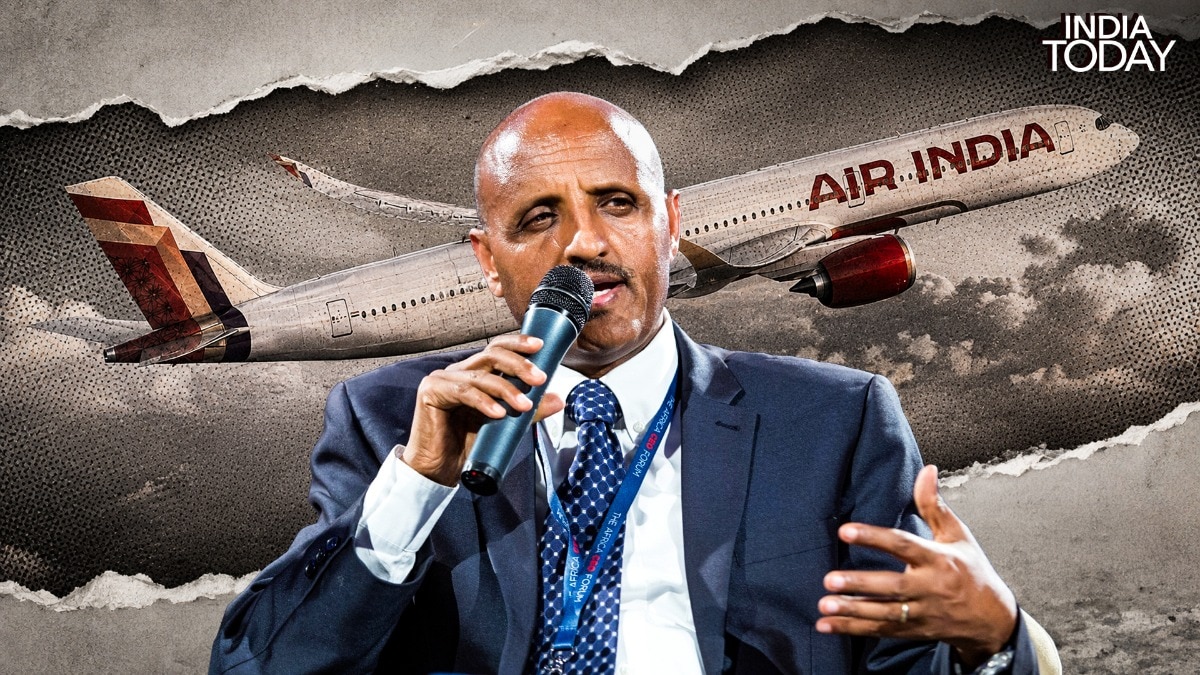
Within days of taking charge, Air India’s new chief executive Tewolde Gebremariam confronted a serious mid‑air turbulence event, an inconclusive pilot drug test, and a DGCA investigation, compounding the airline’s existing financial and safety woes.
Key Takeaways
- Air India A320 lost ~300 feet altitude mid‑flight
- Pilot drug test yielded an indeterminate result
- DGCA classified the incident as serious and launched an investigation
Incident Overview
On August 4, Flight AI2379 operating from Phuket to Delhi experienced a sudden 300‑foot altitude drop while cruising. The Airbus A320 stabilized and landed safely at Delhi, but 13 passengers and four crew members required hospital care for injuries.
Following the event, the Directorate General of Civil Aviation (DGCA) ordered mandatory psycho‑active substance screening for both pilots. The captain’s test returned a result that demands confirmatory analysis, and the final report is pending.
Why This Matters
BozokMedia analysis shows that repeated safety incidents, coupled with Air India’s ongoing $2.3 billion loss, could undermine passenger confidence and stall the Tata‑led turnaround strategy.
"An inconclusive drug test highlights gaps in crew monitoring that must be urgently addressed," says aviation safety expert Dr. Laura Chen.
Historical Background
Tewolde Gebremariam succeeded Campbell Wilson in April, inheriting an airline still reeling from the fatal Ahmedabad‑London crash that claimed 260 lives. The carrier posted a record loss of nearly USD 2.3 billion last month and has trimmed about one‑third of its international schedule.
Did You Know?
Frequently Asked Questions
Q1: Will the pilot drug‑test results be made public?
A: Results will be released only after DGCA completes its verification process.
Q2: How might this incident affect Air India’s financial recovery?
A: Ongoing safety concerns can erode investor confidence, potentially extending the timeline for the airline’s turnaround.