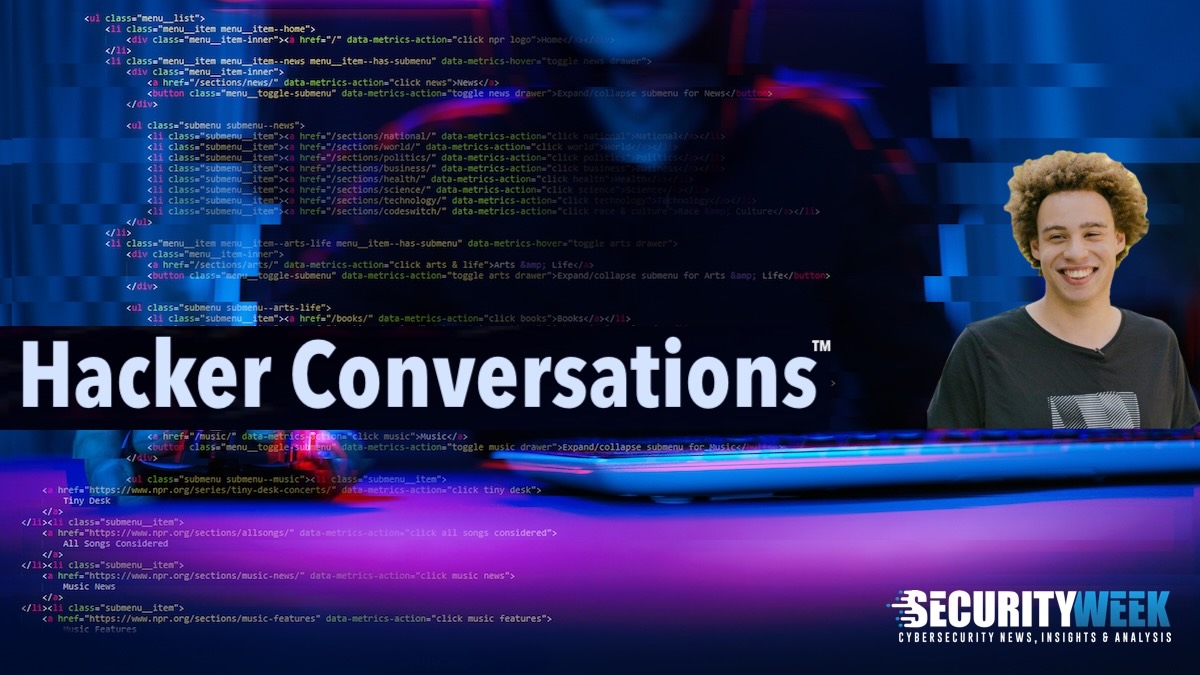
Marcus Hutchins doesn’t call himself a hacker, yet he embraces the label because it best describes his past actions. In 2017 he halted the WannaCry ransomware, saving millions of computers worldwide, only to be arrested by the FBI months later.
Key Takeaways
- Stopped WannaCry, becoming a global hero
- Arrested by FBI three months later
- Now works in legitimate cybersecurity
Marcus Hutchins never personally identified as a hacker, but he accepts the epithet because it’s the most common term for what he once did. At 22, working as a cyber‑threat analyst for an LA‑based firm, he discovered the kill switch for the destructive cryptoworm WannaCry.
WannaCry infected over 200,000 computers across 150 countries within days, and although a decryption tool never materialized, Hutchins’ kill switch halted its spread, instantly turning him into a worldwide hero.
Unlike many hackers, Hutchins wasn’t driven by a desire to change systems; he simply wanted to understand them. “Not knowing how something works bothers me,” he says, a curiosity amplified by neurodiversity that pushes him to dive deep into any task that captures his interest.
Historical Background
WannaCry emerged in May 2017 as a ransomware worm exploiting a Windows vulnerability. Its rapid spread crippled hospitals, businesses, and governments, prompting an urgent global response. Hutchins’ discovery of the master kill switch was a pivotal moment that curtailed the outbreak.
Why This Matters
BozokMedia analysis shows that Hutchins' transition from gray‑zone activities to legitimate cybersecurity highlights the thin line between curiosity‑driven hacking and criminal exploitation, underscoring the need for ethical frameworks in tech education.
"Hutchins’ case illustrates how unchecked technical curiosity can veer into harmful territory, but with proper guidance it can become a force for good," says a cybersecurity expert.
Frequently Asked Questions
Why was Marcus Hutchins arrested? He sold malware code to cyber‑crime groups, which eventually attracted FBI scrutiny.
What is his current role? He now works for a reputable cybersecurity firm, focusing on research and threat intelligence.