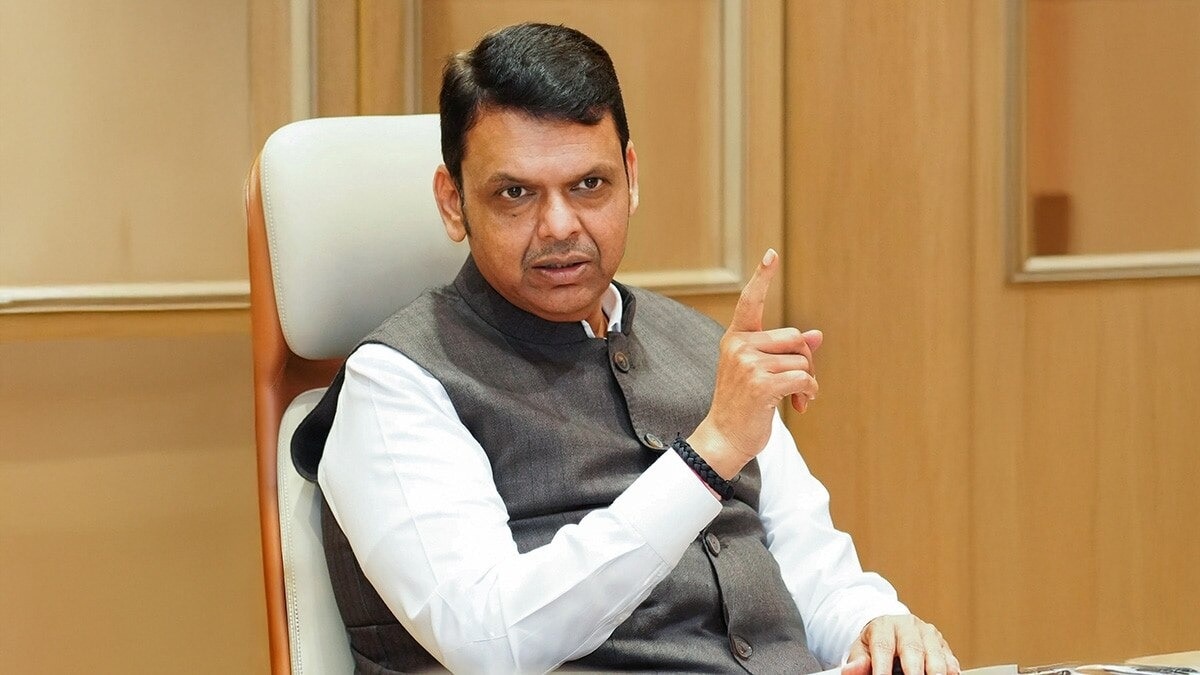
Chief Minister Devendra Fadnavis announced that Maharashtra will entertain all reservation requests, but only those that conform to constitutional provisions. He emphasized that no community's rights will be compromised while seeking justice for all.
Key Takeaways
- All reservation demands will be considered only within constitutional bounds.
- No community's rights will be reduced.
- The government will act in the public interest.
Historical Background
The reservation issue in Maharashtra has been a flashpoint for decades. The 1994 demand for a 12% quota for the Maratha community sparked widespread movements, while OBC, Scheduled Caste, and Scheduled Tribe reservations have undergone periodic reviews.
Main Statement
Chief Minister Devendra Fadnavis said, "The government runs according to the Constitution and will continue to do so. If a demand is in public interest and fits within the Constitution, it will be considered." He assured that Marathas, OBCs, SCs, STs, Vimukta Jatis, and Nomadic Tribes will all receive justice without any group being taken away from to favor another.
Why This Matters
BozokMedia analysis shows that this stance could set a precedent for other Indian states grappling with similar reservation pressures, reinforcing constitutional fidelity over populist politics.
"Constitutional compliance must be the bedrock of any reservation policy," says constitutional law expert Dr. Anjali Mehta.
Did You Know?
Frequently Asked Questions
- Will the Maratha community receive a new quota? Only if it complies with constitutional provisions and serves the public interest.
- What happens to demands that conflict with the Constitution? Such demands will be rejected by the government.