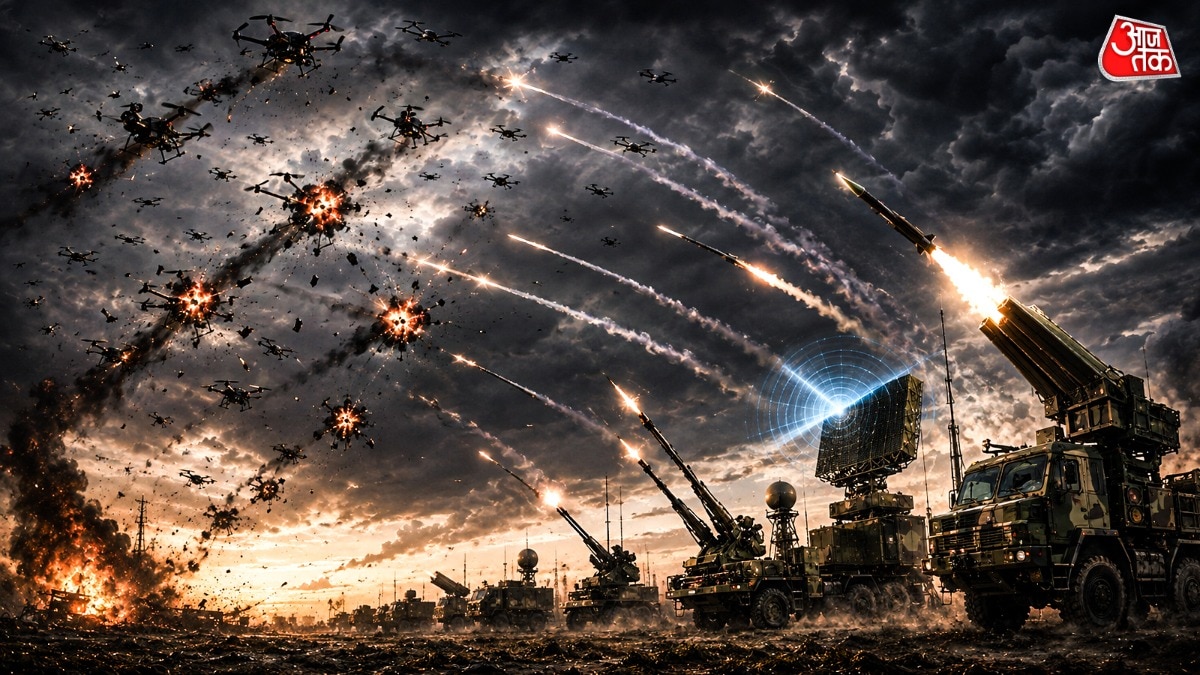
The Houthis escalated their campaign with a massive projectile strike on a Saudi oil tanker, coinciding with the Makkah Pact's fire test. Pakistan and Turkey weigh their next moves amid heightened regional tension.
- Houthis fired a large projectile at a Saudi oil tanker
- Tensions rose during the Makkah Pact fire test
- Potential responses from Pakistan‑Turkey are under scrutiny
Within the past 24 hours, Yemen’s Houthi rebels targeted a Saudi Arabian oil tanker with a high‑impact projectile, causing a subsequent explosion on board. The strike has reignited concerns over the safety of Red Sea shipping lanes.
The attack coincided with the Makkah Pact’s fire test, an initiative meant to showcase regional cooperation and readiness against security threats. The Houthi offensive, however, has cast a shadow over the exercise.
Saudi Arabia condemned the assault outright, while Yemen’s government forces reported conducting 81 separate operations against the Houthis in the last day, indicating a rapid escalation on both sides.
Both Pakistan and Turkey are monitoring the development closely. Existing military cooperation between the two nations may now be tested as they consider strategic adjustments.
Why This Matters
BozokMedia analysis shows that large‑scale attacks like this can disrupt international shipping, spike oil prices, and reverberate through global energy markets.
"The Houthis’ latest strike challenges regional stability and puts maritime security at risk," said international security expert Dr. Ali Ahmed.
Frequently Asked Questions
Why did the Houthis carry out this attack? The group aims to pressure Saudi Arabia amid the ongoing Yemeni civil war and longstanding hostilities.
What could be Pakistan and Turkey’s response? Both nations have previously announced joint naval exercises, suggesting they may increase their presence in the Red Sea.