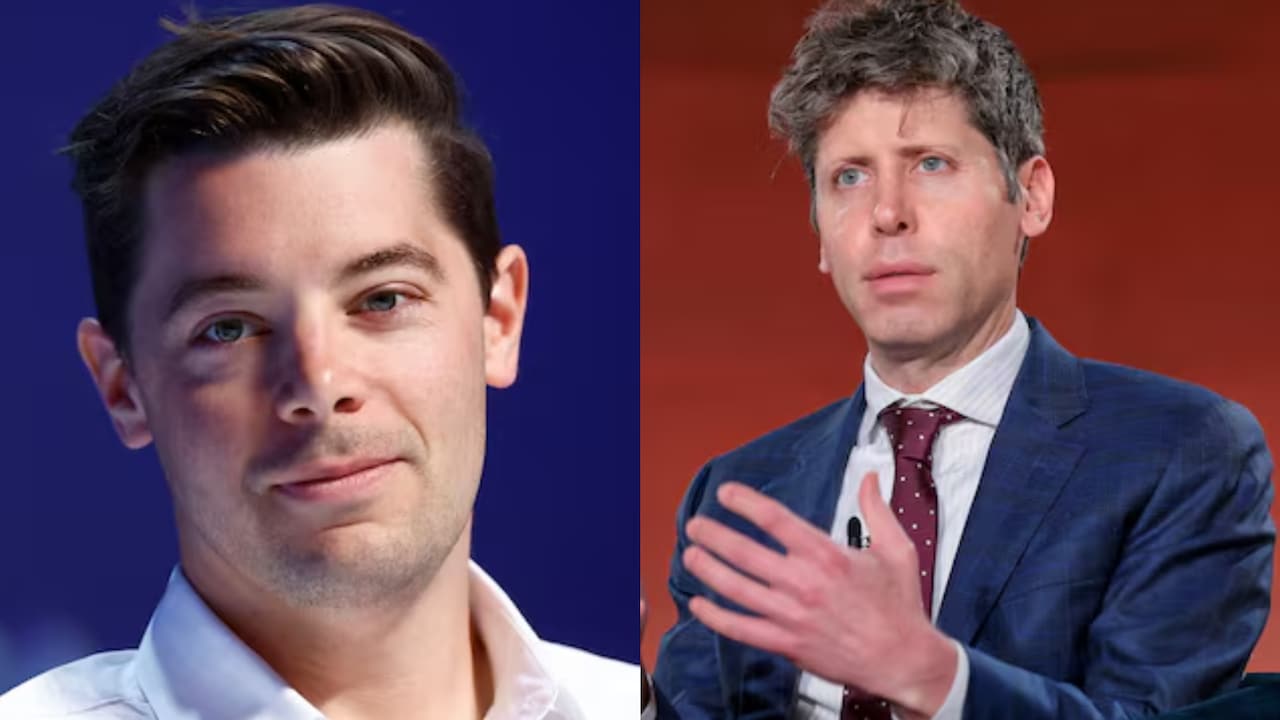
Brad Lightcap, a close aide to Sam Altman, announced his departure from OpenAI while pledging to support the AI mission from a new perspective. The move comes amid growing speculation around the company's potential IPO.
Key Takeaways
- Brad Lightcap resigns from OpenAI
- He will continue supporting the AI mission from a different viewpoint
- The resignation occurs as IPO discussions intensify
Brad Lightcap, a trusted senior advisor to OpenAI’s CEO Sam Altman, announced that he will step down but remain involved in the broader AI mission "from a different vantage point."
The statement was made amid heightened buzz about a possible OpenAI initial public offering, prompting investors and analysts to question the impact on the company’s strategic direction.
Founded in 2015 as a non‑profit, OpenAI shifted to a capped‑profit model in 2019 and has since become a leader in artificial intelligence research and deployment. Both Altman’s vision and Lightcap’s operational guidance have been pivotal in shaping the organization’s growth.
Lightcap’s exit may trigger a reshuffle of senior leadership just as the firm prepares for a potential market debut, raising concerns about continuity in product development and investor confidence.
Why This Matters
BozokMedia analysis shows that the departure of a key strategist often influences a tech company’s roadmap and market perception, especially in fast‑evolving sectors like AI.
"Lightcap’s departure could signal a strategic pivot for OpenAI," an industry expert noted.
Frequently Asked Questions
Question 1: What role did Brad Lightcap play at OpenAI?
Answer: He served as a senior strategic advisor, helping to shape the company’s long‑term AI policy and operational execution.
Question 2: How might his resignation affect OpenAI’s IPO plans?
Answer: Leadership changes can alter investor sentiment, but the company’s technological momentum and market demand remain the primary drivers.