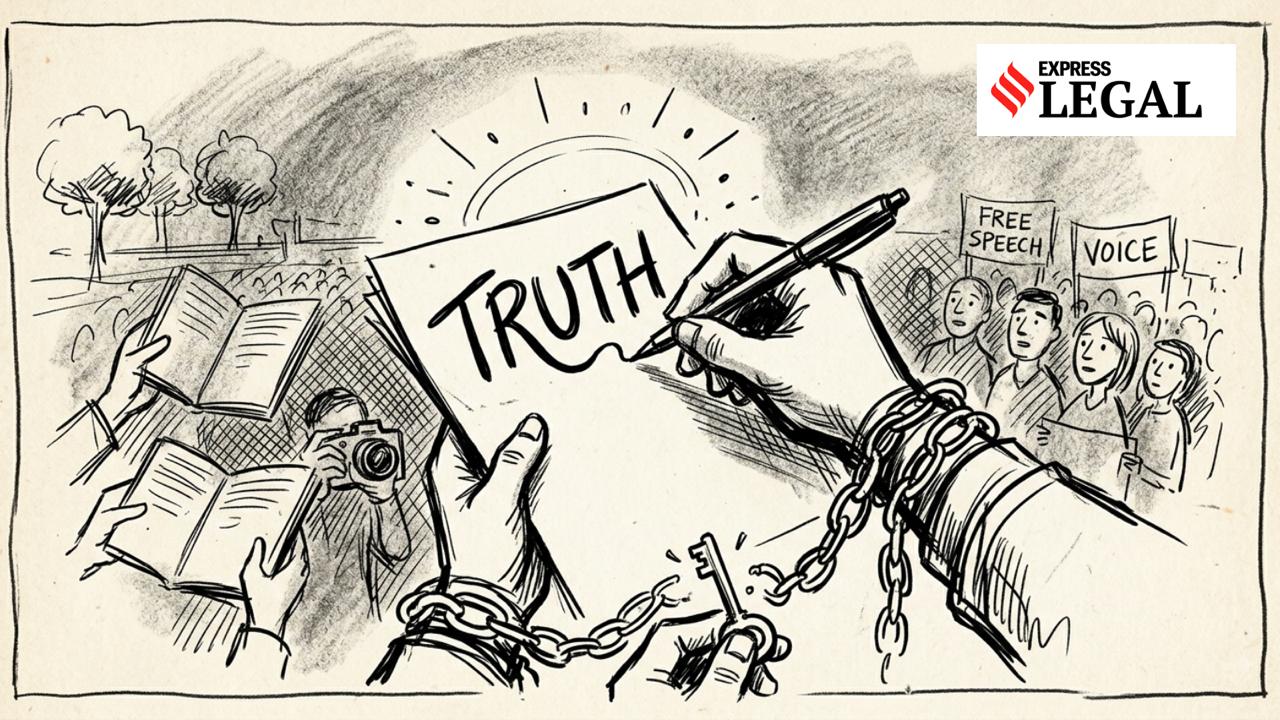
The Kerala High Court clarified that reporting on official actions cannot be treated as criminal defamation, dismissing a case against a Malayalam media house. The ruling reinforces legal protection for factual news coverage.
Key Takeaways
- Reporting not deemed defamation
- Media house cleared of liability
- Legal safeguard for truthful reporting affirmed
Core Judgment of Kerala High Court
The court held that a journalist cannot be criminally liable for defamation merely because a report caused reputational harm. Consequently, a defamation suit against a Malayalam media house and its chief editors was dismissed.
Judicial Reasoning
Justice C.S. Dias emphasized the crucial distinction between a "report of an official proceeding" and an "independent defamatory assertion". He noted that Sections 499, 501, and 502 of the IPC punish only intentional, malicious imputation, not factual reporting of official actions.
Historical Background
The dispute originated from a 2020 arrest where a man was alleged to possess 3 litres of Indian Made Foreign Liquor, whereas official records showed only 2.5 litres. The media’s portrayal of the quantity sparked the defamation claim.
"Fact‑based coverage of governmental actions should never be criminalized as defamation," says legal analyst Anjali Raj.
Why This Matters
BozokMedia analysis shows that this ruling bolsters press freedom, granting journalists greater protection when reporting on matters of public interest.
Frequently Asked Questions
Q1: Will all government‑related reporting be immune from defamation claims?
A: No, only reporting that is factual and based on official records enjoys this protection.
Q2: What impact will this decision have on future media coverage?
A: It empowers journalists to cover official actions without fear of criminal prosecution.