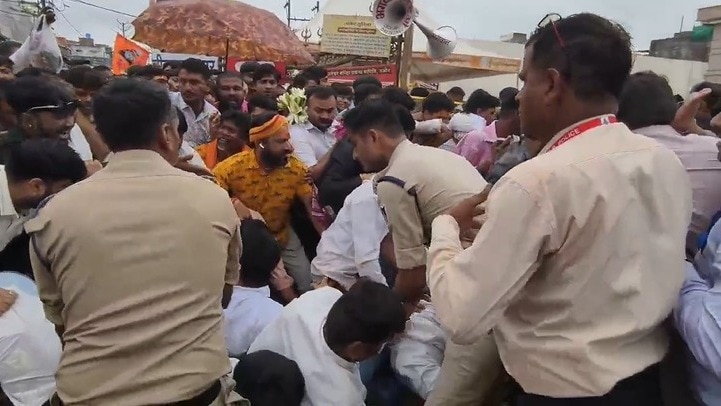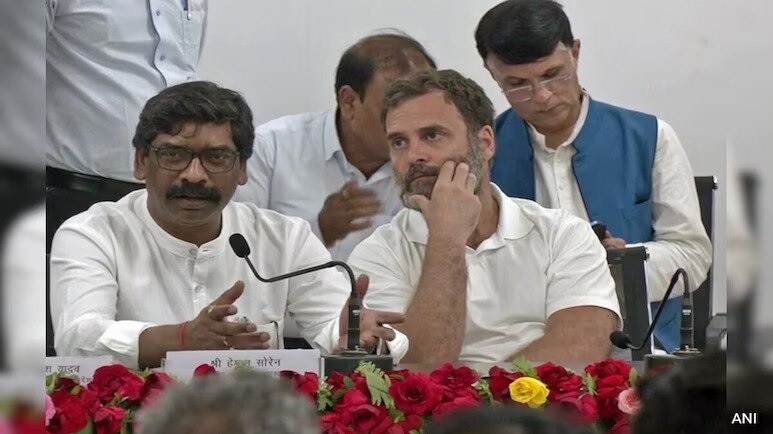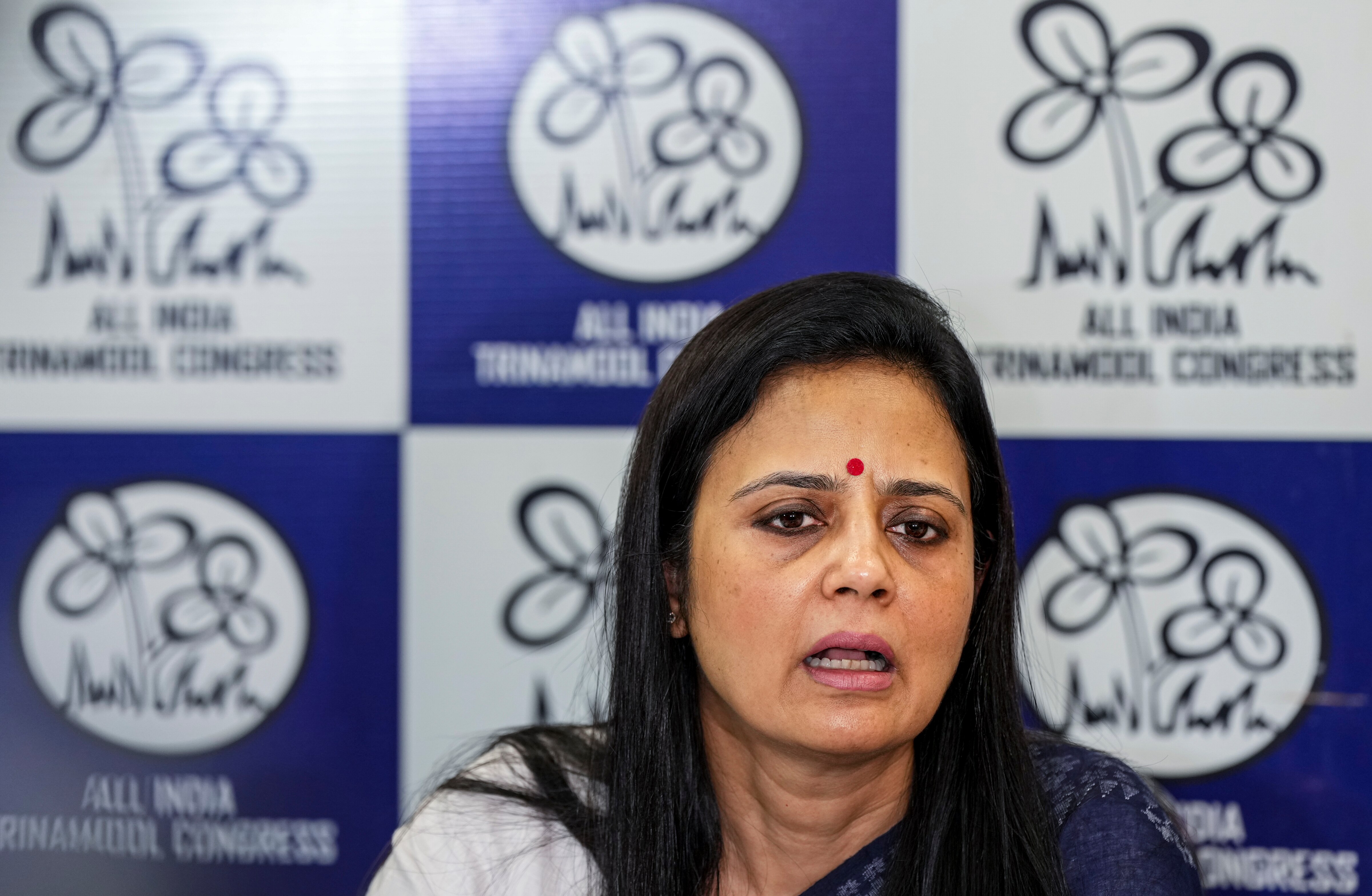
MP Mahua Moitra alleges officials told her to leave the Circuit House hall, while a crowd outside repeatedly chanted "Jai Shri Ram." The incident underscores rising political-religious tensions.
Key Takeaways
- Officials asked Mahua Moitra to vacate the Circuit House room.
- The crowd outside continuously chanted "Jai Shri Ram."
- The episode is sparking fresh debate over political and religious dynamics.
Incident Overview
Congress MP Mahua Moitra claimed that during a public gathering at Delhi's Circuit House, officials instructed her to leave the hall. Moitra described the order as undue pressure on a democratically elected representative.
Meanwhile, attendees outside the venue kept chanting "Jai Shri Ram," a slogan that often intertwines religious sentiment with political expression.
Reactions and Statements
Moitra posted the incident on social media, labeling it an infringement on her parliamentary rights. The local administration has not yet issued an official response.
Historical Background
Since its establishment in 1914, Circuit House has hosted numerous high‑profile political rallies and protests. Over the decades, the venue has frequently become a flashpoint for religious slogans and political confrontations, making it a sensitive site nationwide.
Why This Matters
BozokMedia analysis shows that such incidents highlight the growing intersection of religion and politics in India, potentially influencing public discourse and electoral strategies.
"The use of religious chants at public venues complicates democratic processes," noted political analyst Dr. Anita Sharma.
Frequently Asked Questions
Q1: Was the order for Mahua Moitra to vacate legally justified?
A: No official clarification has been released yet; the matter is currently under investigation.
Q2: Why did the crowd chant "Jai Shri Ram"?
A: The slogan is often employed as a marker of religious identity and political support, especially during public protests.