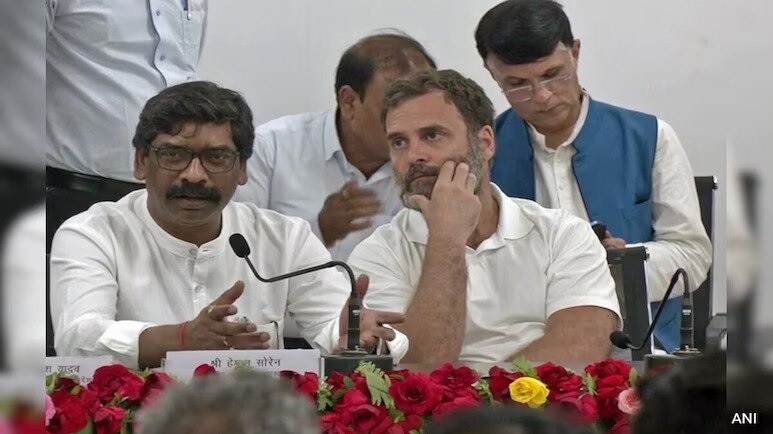
Rahul Gandhi has penned a letter to Jharkhand Chief Minister Hemant Soren urging him to meet directly with protesters and address their grievances. The move is seen as a crucial step toward restoring political dialogue in a tense region.
Key Takeaways
- Rahul Gandhi sent a personal letter to Hemant Soren
- Letter urges direct engagement with protesters
- Emphasis on reviving political dialogue
Core Message of the Letter
In the letter, Rahul Gandhi appealed to Jharkhand Chief Minister Hemant Soren to sit with the protesters and listen to their concerns, stating that "solutions are possible only when we sit face‑to‑face and hear them".
Current Context
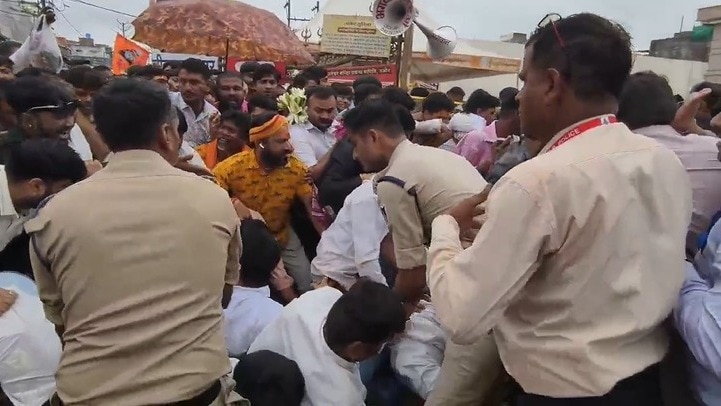
Jharkhand has witnessed large‑scale protests over land rights, industrial policies, and unemployment, escalating political tension across the state. The unrest has prompted calls for immediate government intervention.
Historical Background
Similar outreach attempts in the past, notably in 2015, led to limited policy tweaks but failed to achieve lasting peace. The 2010‑2012 wave of protests resulted in over 150 minor legislative changes, yet core issues remained unresolved.
Why This Matters
BozokMedia analysis shows that a direct outreach by a senior opposition leader to a state chief minister can reshape political narratives and potentially de‑escalate unrest, influencing both regional stability and national electoral calculations.
"True democratic practice demands that dissenting voices be heard; only then can lasting peace be achieved," says political science Prof. Anjali Singh.
Frequently Asked Questions
Q1: Has Hemant Soren responded to the letter?
A: No official response has been released yet, though his office noted the letter was "reviewed carefully".
Q2: What could this mean for future political dynamics?
A: Experts believe this dialogue‑first approach could inspire similar strategies in other states, potentially reshaping India's political engagement model.