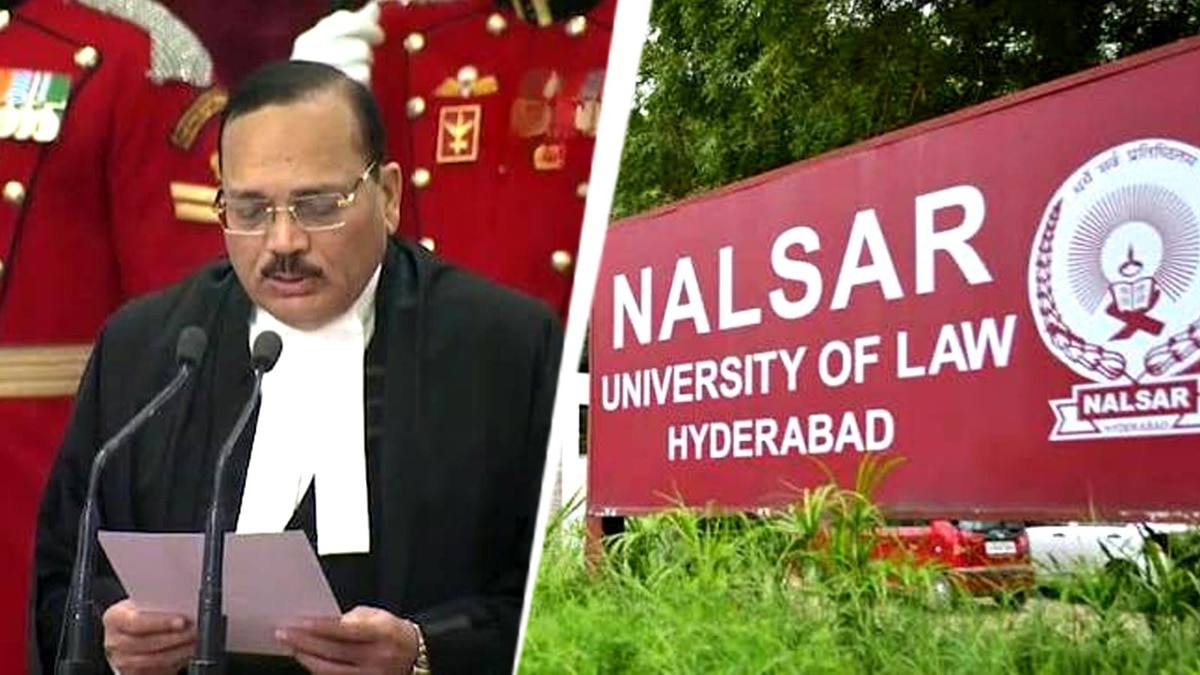
The Supreme Court has annulled the Bar Council of India's order blocking enrollment for the 2026 batch of NALSAR University of Law students. Chief Justice Justice Suryakant condemned the move as unnecessary and affirmed the students’ right to peaceful protest.
Key Takeaways
- Supreme Court revokes BCI’s ban on NALSAR 2026 batch enrollment.
- CJI Justice Suryakant issues notice to BCI Chairman Manan Kumar Mishra.
- Students’ right to peaceful protest upheld.
Brief Overview
The Supreme Court has struck down the Bar Council of India's (BCI) restriction on the advocacy enrollment of the 2026 graduating batch of Hyderabad’s NALSAR University of Law. Chief Justice Justice Suryakant labeled the action “unnecessary” and “non‑essential,” thereby safeguarding the students’ right to voice dissent peacefully.
Historical Background
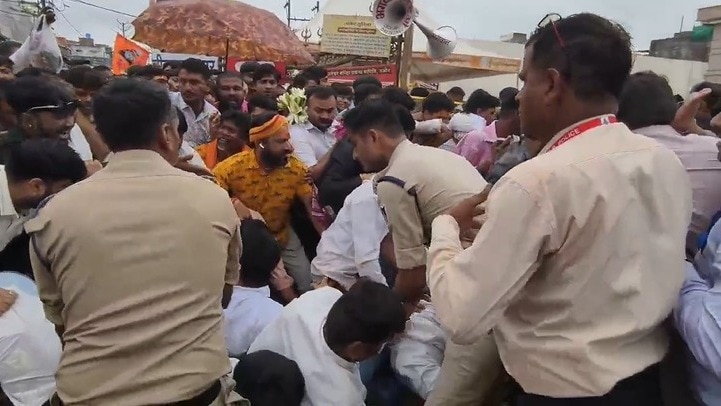
Following a student protest at the Jantar‑Mantar campus on July 20, the BCI directed all state bar councils to temporarily halt enrollment for NALSAR’s 2026 batch. Persistent advocacy by the students, amplified public pressure, and legal challenges forced the BCI to retract the order.
Why This Matters
BozokMedia analysis shows that this judgment reinforces democratic dissent within educational institutions and curtails the overreach of regulatory bodies like BCI. It sends a clear signal that punitive measures against peaceful student activism will not be tolerated, safeguarding the future of legal education in India.
"Regulatory overreach threatens the very essence of academic freedom; the Court’s intervention is a pivotal safeguard for student rights," says constitutional law expert Dr. Anita Verma.
Frequently Asked Questions
Q1: Can the BCI impose any new restrictions on NALSAR students now?
A: Under the current order, the BCI is barred from taking any disciplinary action against this batch.
Q2: What impact might this ruling have on other law colleges?
A: The decision could serve as a precedent for challenging similar bans across other institutions.