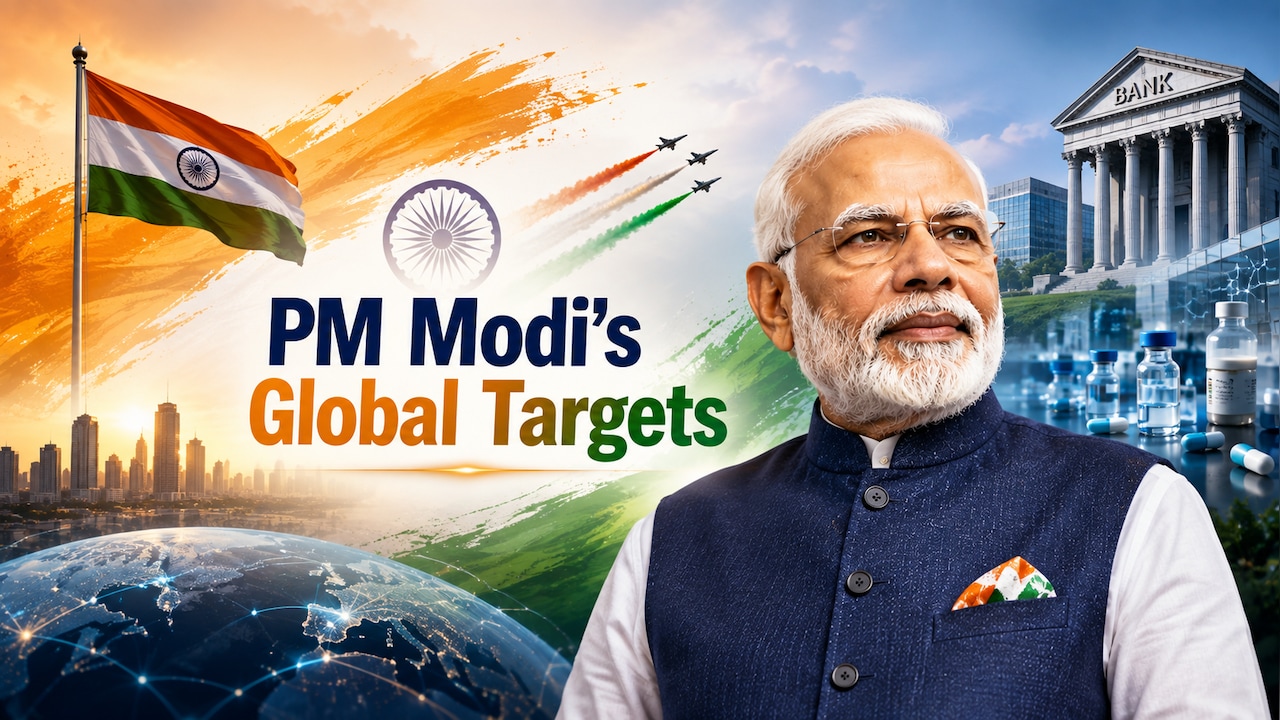
Prime Minister Narendra Modi emphasized the need to identify and isolate “Dimaagi Naxals,” highlighting the mental‑health dimension of the Naxalite threat. The message signals a shift toward psychological as well as security measures.
Key Takeaways
- Definition and significance of “Dimaagi Naxals”
- Modi’s new security perspective
- Growing focus on mental‑health in national safety
Prime Minister Narendra Modi, in a recent national address, introduced the term “Dimaagi Naxals” to draw attention to the ideological and psychological facets of the Naxalite insurgency. He warned that the threat is not only armed but also rooted in mental manipulation of vulnerable populations.
The phrase targets individuals who adopt Naxalite ideology and mentally fuel social unrest. “Identifying and isolating such elements is essential for safeguarding our democracy,” Modi asserted.
Historical Background
The Naxalite movement began in 1967 as a left‑wing rebellion demanding land reforms and social justice. Over decades, it spread across central and eastern India, leading to over 20,000 deaths. Recent government strategies have combined armed operations with development projects to curb the insurgency.
Why This Matters
BozokMedia analysis shows that addressing the ideological and psychological dimensions of insurgency can significantly reduce recruitment rates, making security operations more effective.
“Neglecting mental health is the biggest gap in any security policy,” says national security expert Dr. Ajay Singh.
Modi added that bolstering education, employment, and mental‑health services can neutralize the influence of “Dimaagi Naxals.” He urged state governments to act swiftly on these fronts.
Frequently Asked Questions
Q1: What does “Dimaagi Naxal” mean?
A: It refers to individuals who adopt Naxalite ideology and mentally destabilize society.
Q2: How will the government tackle this issue?
A: By strengthening education, job creation, mental‑health services, and continuing targeted security operations.