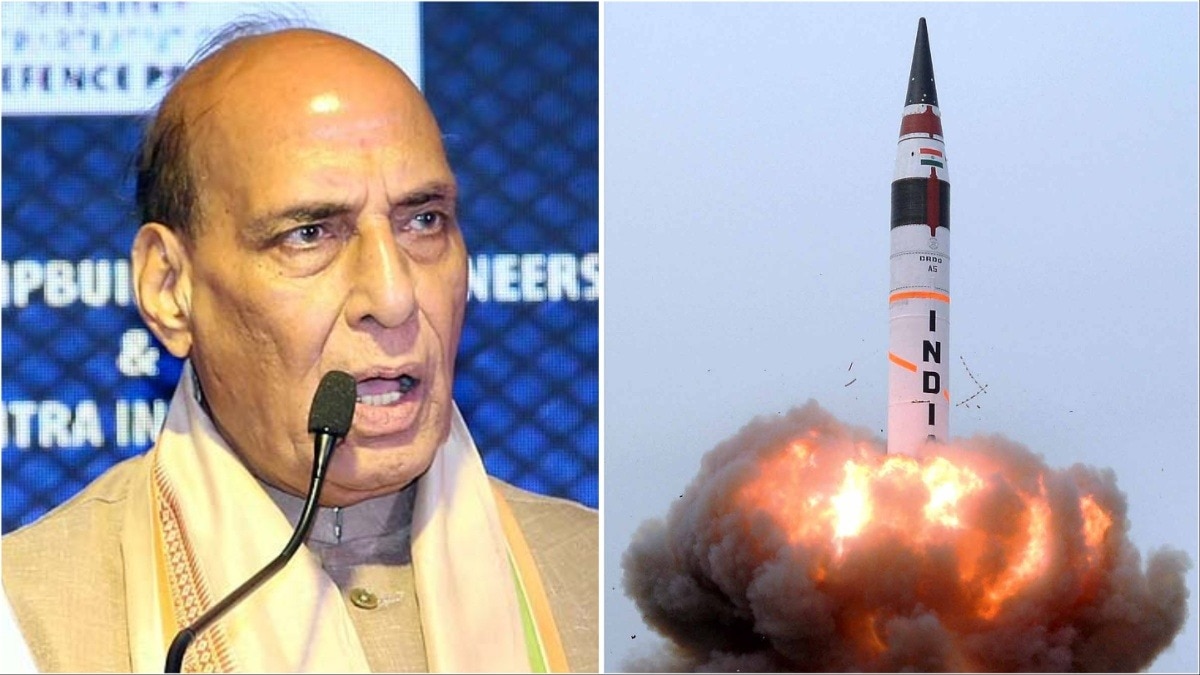
Defence Minister Rajnath Singh has cleared the transfer of all DRDO-developed conventional missile technologies to Indian private firms, paving the way for domestic production of advanced missiles. The move accelerates India’s self‑reliant defence strategy and reduces dependence on imports.
- Rajnath Singh approved DRDO’s conventional missile tech for private sector
- Advanced missiles can now be manufactured entirely in India
- Boosts self‑reliance, creates export potential and jobs
Background of the Decision
New Delhi, 25 August 2026 – Defence Minister Rajnath Singh gave the green light for the transfer of all conventional missile system technologies developed by DRDO (Defence Research and Development Organisation) to Indian private industry. Previously, these technologies were confined to government labs; the new policy opens them up to commercial manufacturers.
Immediate Impact on the Industry
Private firms will now be eligible to produce missiles, provided they obtain the required certifications and meet regulatory standards. The move also welcomes MSMEs into the missile supply chain, promising new jobs and skill‑development opportunities across the sector.
A Leap Toward Self‑Reliance
India currently imports several advanced weapon systems. By domesticating missile production, the nation will cut import costs, save foreign exchange, and ensure rapid supply during crises. Increased private‑sector participation is expected to spur innovation and competition within the defence ecosystem.
Historical Context
Over the past decade, DRDO has birthed landmark missiles such as Agni, Prithvi, and Nirbhay, yet production remained within public establishments. A limited "Transfer of Technology" (ToT) programme launched in 2015 allowed select prototypes to be built by private partners, but full‑scale manufacturing stayed restricted. Today’s approval expands that programme, aiming for an end‑to‑end domestic production line.
Why This Matters
BozokMedia analysis shows that the transfer will not only tighten India's strategic autonomy but also position its defence sector as a potential exporter to friendly nations, reshaping regional power dynamics.
"This decision injects fresh energy into India's defence industry, elevating its global competitiveness," said defence analyst Dr. Ajay Mehta.
Frequently Asked Questions
Q1: Which missile technologies are covered by this transfer?
A: All conventional missile systems – including Agni‑II, Prithvi‑II, and Nirbhay‑II – encompassing design, manufacturing processes and testing protocols.
Q2: What certifications must private firms obtain?
A: Companies must secure security clearances, quality certifications (ISO/AS9100), and a defence production licence before commencing manufacturing.