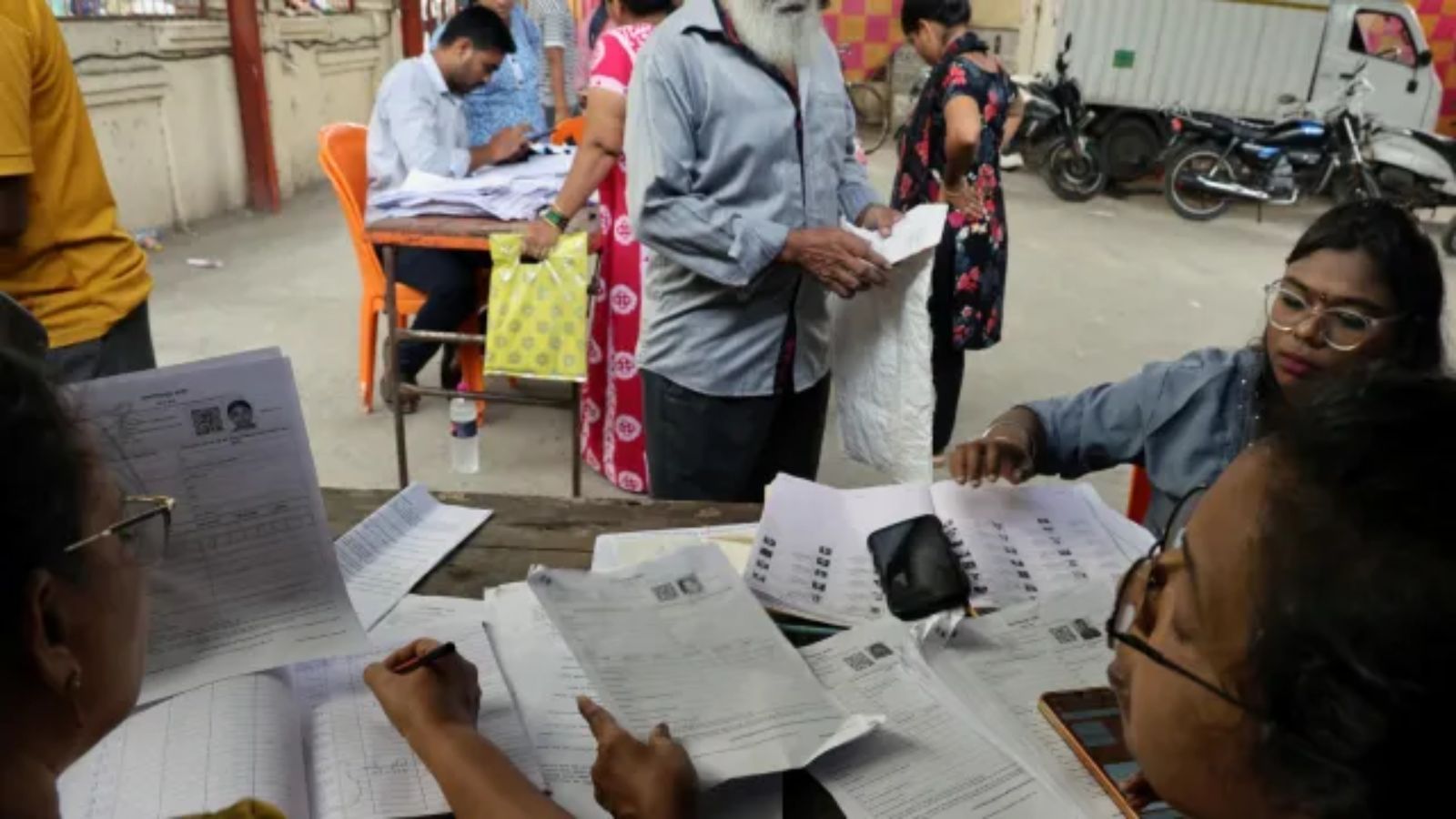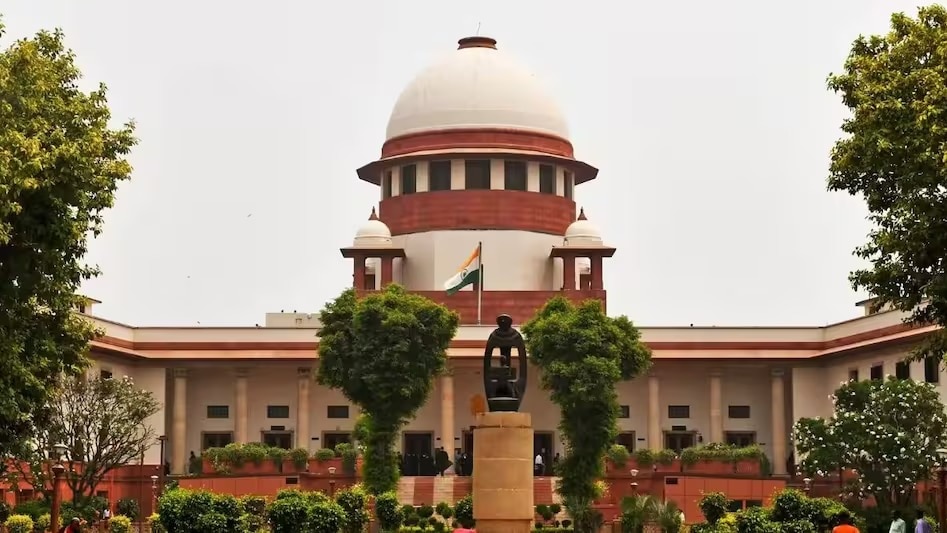
The Supreme Court of India castigated the Municipal Corporation of Delhi (MCD) and the Archaeological Survey of India (ASI) for "total callousness" in preserving the Lodhi‑era tombs at Zamrudpur. Both agencies have been summoned to appear personally, with the next hearing slated for October 7.
- Supreme Court calls MCD and ASI's neglect of Delhi tombs "total callousness".
- Top officials ordered to appear in court and submit affidavits.
- Next hearing scheduled for October 7, 2026.
New Delhi, August 25, 2026 – The Supreme Court today admonished the Municipal Corporation of Delhi (MCD) and the Archaeological Survey of India (ASI) for the deteriorating condition and encroachment at the Lodhi‑era tombs in the Zamrudpur area, describing the agencies' conduct as "total callousness" and a suppression of facts.
Justices Ahsanuddin Amanullah and N. Kotiswar Singh directed the additional commissioner of the MCD and the director‑general of the ASI to appear before the bench and listed the matter for further hearing on October 7. The remarks came after the court reviewed media reports highlighting extensive encroachment and littering around the historic structures.
The petition, filed by Delhi resident Rajeev Suri, prompted the court to monitor the preservation of heritage sites in the capital. The bench ordered the officials to "show cause" by affidavit why the court should not take serious note of such conduct and pass appropriate orders.
Why This Matters
BozokMedia analysis shows that neglect of heritage sites not only erodes cultural identity but also hampers tourism revenue, which contributes significantly to Delhi’s economy. The court’s intervention signals a possible shift toward stricter enforcement of heritage protection laws across India.
"Heritage preservation is a collective responsibility; governmental apathy endangers centuries‑old monuments," said Dr. Meera Kapoor, senior historian at the Indian Council of Historical Research.
The court noted that a status report filed on April 10 claimed one of the five tombs surveyed was in satisfactory condition, while three others suffered from encroachment and litter. However, the appointed commissioners, led by senior advocate Gopal Sankaranarayanan, reported that one of the five Grade‑I heritage buildings could not even be located, underscoring the alleged suppression of facts.
Such judicial scrutiny underscores the growing expectation that public bodies must prioritize heritage conservation over bureaucratic inertia. Failure to act promptly could set a precedent that endangers other historic sites nationwide.
Frequently Asked Questions
Q1: When is the next Supreme Court hearing on this issue?
A: The next hearing is scheduled for October 7, 2026.
Q2: Has the ASI taken any remedial actions so far?
A: No formal response has been filed yet; the court has ordered the officials to submit written explanations.