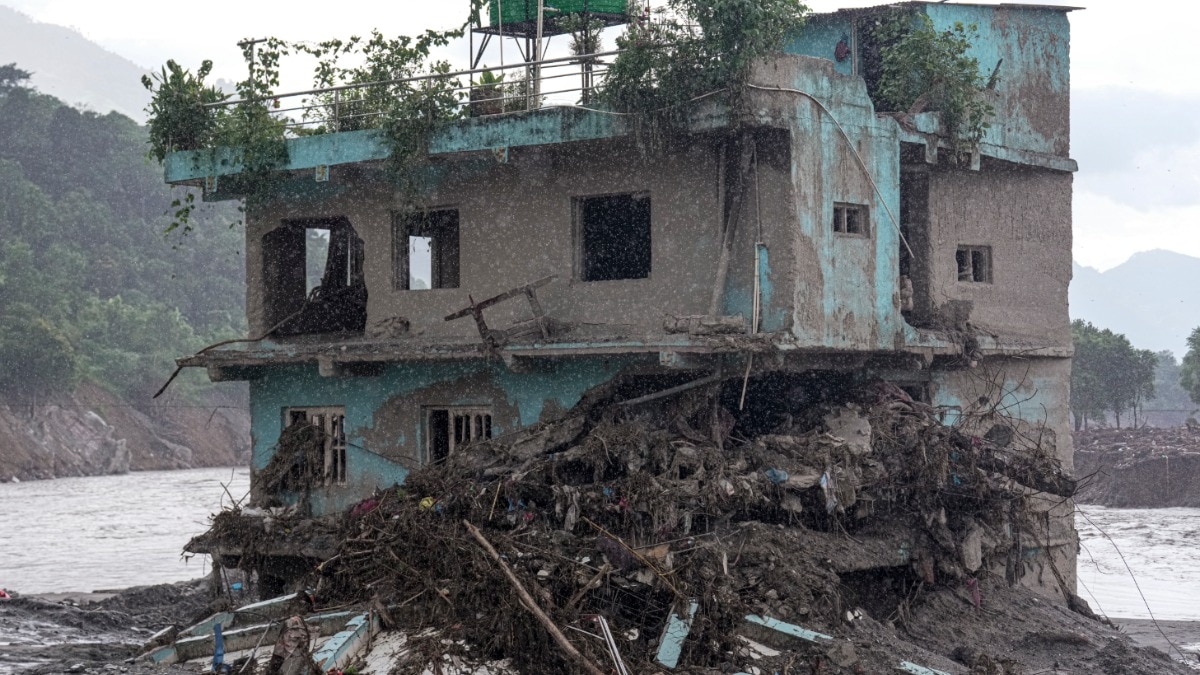
In Nuwakot’s Trishuli River basin, heavy rains and landslides have turned homes into rubble, yet a ‘Miracle House’ stands as a beacon of hope. Residents are battling mud and debris to restore everyday life.
- The flood has completely altered Nuwakot’s infrastructure.
- Security forces and volunteers rescued the famed ‘Miracle House’.
- Temporary zip-lines and makeshift bridges are now vital for crossing.
Impact of the Flood and Recovery Efforts
On 4 September 2026, Nepal’s Nuwakot district saw the Trishuli River overflow, demolishing buildings and sweeping away homes and shops. Local authorities launched urgent relief operations, but many routes were blocked by rising waters.
Preparedness for Future Floods
In the aftermath, security forces erected temporary zip-lines and bridges to ferry people across the river. These improvisations not only provide immediate relief but also serve as a model for post-flood reconstruction.
The Miracle House: Symbol of Hope
Amid the wreckage, a ‘Miracle House’ remained standing due to its robust structure. The building gained online attention as a symbol of resilience and became a source of inspiration for the community.
Why This Matters
Floods and landslides do more than cause physical damage—they disrupt socio-economic frameworks. The response seen in Nuwakot highlights how swift action and community cooperation accelerate rebuilding efforts.
“Community resilience and rapid governmental response are the key factors after such floods.” – Dr. Priya Sharma, Climate Disaster Specialist.
Did You Know?
Frequently Asked Questions
- What kinds of assistance are available for flood victims?
- What steps can be taken to prevent such floods in the future?