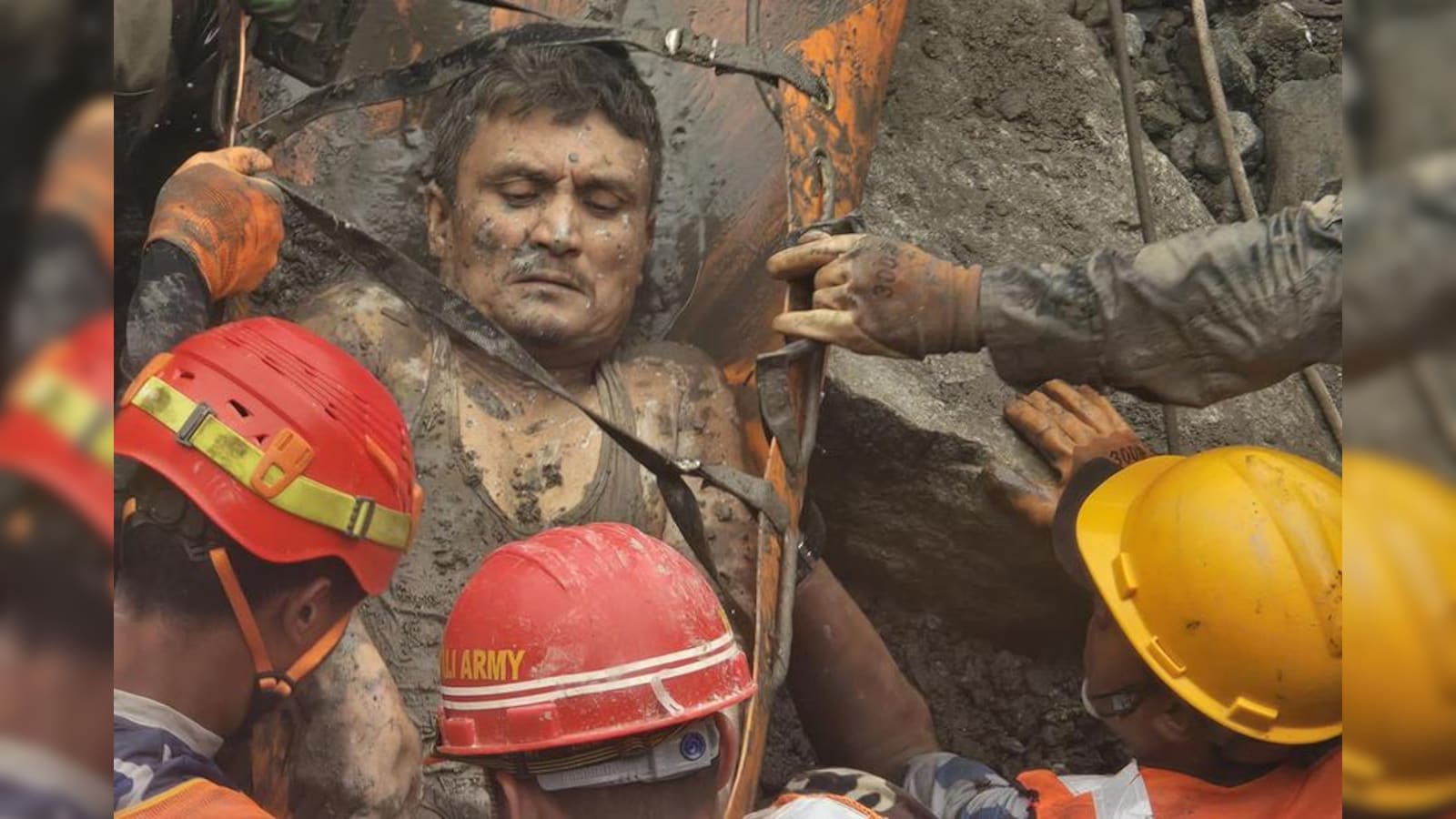
Recent flash floods in Nepal have left a trail of destruction across the nation. This report examines the convergence of extreme weather and human activity that led to this catastrophe.
- Extreme monsoon rainfall and cloudburst events were primary triggers.
- Unregulated construction on fragile mountain slopes exacerbated the damage.
- Deforestation and encroachment on riverbanks stripped away natural defenses.
The recent flash floods sweeping through various regions of Nepal have caused unprecedented devastation. Torrential waters combined with massive debris flows from the mountains have decimated infrastructure, residential areas, and vital agricultural lands. This disaster is not merely a freak weather event but a result of complex environmental interactions.
Meteorological experts suggest that the monsoon patterns have become increasingly volatile. Instances of cloudbursts have led to massive volumes of precipitation falling in extremely short durations. This sudden influx of water saturates the mountain soil, triggering landslides that subsequently choke river channels, leading to sudden and violent surges in water levels.
Why This Matters
BozokMedia analysis shows that the Himalayan region is experiencing a rapid shift in weather patterns due to global climate change. Nations like Nepal, characterized by their steep and fragile topography, are on the front lines of this climatic shift. Without integrating disaster resilience into urban planning, the frequency of such catastrophic events is expected to rise significantly.
The lethal combination of anthropogenic interference and shifting climatic norms is the true driver behind the escalating scale of Himalayan disasters.
Historically, Nepal's infrastructure has struggled to withstand extreme hydrological events. The lack of robust drainage systems and resilient bridges has turned manageable flooding into national tragedies. Furthermore, the rapid expansion of settlements into floodplains has placed thousands of lives directly in the path of danger.
Environmentalists emphasize that widespread deforestation has played a critical role. Trees act as natural sponges and anchors for the soil; their removal has diminished the landscape's ability to regulate water runoff. Consequently, rainwater rushes down slopes with unchecked velocity, carrying silt and debris that amplify the destructive power of the floods.
Frequently Asked Questions
Q1: What are the primary drivers of the Nepal floods?
A: The primary drivers include intense monsoon rains, cloudbursts, deforestation, and unplanned construction in high-risk zones.
Q2: How does climate change affect these floods?
A: Climate change alters precipitation patterns, making rainfall more concentrated and intense, which triggers sudden flash floods in mountain terrains.