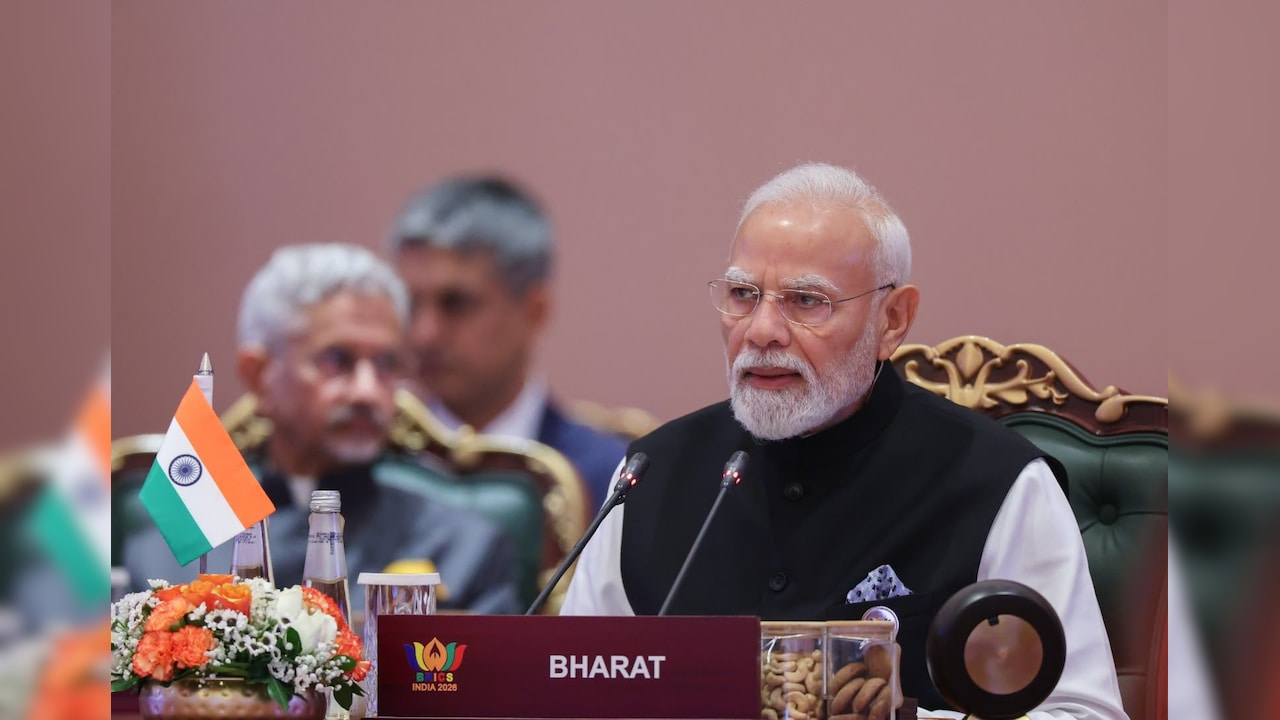
In New Delhi, the 18th BRICS summit produced a joint declaration amid deep divisions over the Iran‑Ukraine and US‑Israel conflicts. The outcome highlights the bloc’s cautious stance on global tensions and its evolving role in shaping South‑side governance.
- BRICS called for restraint in the Middle East but avoided direct condemnation of US‑Israeli or Iranian actions.
- The bloc criticized global trade wars yet refrained from naming the United States.
- India emphasized that BRICS should be a rule‑shaper for the Global South, not an anti‑Western project.
Russians President Vladimir Putin, Indian Prime Minister Narendra Modi, and Chinese President Xi Jinping led the 18th BRICS summit in New Delhi, adopting a unified declaration despite divergent views on the Iran‑Ukraine war and U.S. tariff policies.
Historical Background of BRICS
Founded in 2006 by Brazil, Russia, India, and China, BRICS expanded to include South Africa in 2010 and later Egypt, Ethiopia, Iran, UAE, Saudi Arabia, and Indonesia. The bloc now represents about 40% of global GDP and nearly half the world’s population, pushing for reforms in institutions dominated by Western powers.
Middle East Tensions and BRICS’s Position
The New Delhi Declaration urged “maximum restraint” in the Middle East, indirectly critiquing U.S. and Israeli strikes without naming the parties. China’s Xi highlighted that the conflict does not serve international interests and called for a permanent ceasefire.
Ukraine War and Internal Cohesion
While BRICS foreign ministers initially struggled to agree on a joint statement, India’s diplomatic efforts bridged gaps between the UAE and Iran. Former Foreign Secretary Nirupama Menon Rao noted that the bloc’s strength lies in keeping difficult conversations alive, though it struggles to assign responsibility when interests clash.
Why This Matters
BozokMedia analysis shows that the summit’s outcome signals a subtle shift in global power dynamics, offering the Global South a more active role in rule‑making while exposing the bloc’s limitations.
“BRICS’s success demonstrates that consensus on broad principles is achievable even among divergent members.” – Praveen Donthi, Senior Analyst, International Crisis Group.
Frequently Asked Questions
- Did BRICS impose any specific sanctions on Iran?
- Why was the United States not named in the New Delhi Declaration?