A coalition of India’s leading scientists and academics has called on the government to halt the rollout of E20 petrol, abolish the National Testing Agency (NTA), and enact a law against black‑magic practices. The appeal also demands a significant increase in education and research funding, underscoring the need for evidence‑based policymaking.
- Scientists demand withdrawal of E20 petrol rollout.
- Call to abolish the National Testing Agency (NTA).
- Push for a law against black‑magic practices and increased education budget.
New Delhi, September 13, 2026 – A group of prominent scientists and scholars has urged the Indian government to immediately reverse the E20 petrol rollout, abolish the National Testing Agency (NTA), and introduce legislation to curb black‑magic practices. The appeal also calls for a substantial boost in education and research funding.
The protest, held during the ‘India March for Science’ in Mumbai, highlighted concerns over pseudoscience‑driven policies, the sidelining of empirical evidence, and shrinking government investment in education and research. Key signatories include Padma Bhushan Prof. M. S. Raghunathan, SSB awardee Prof. S. G. Dhan, Prof. Aniket Sule of HBCSE‑TIFR, and former TIFR Dr. N. Krishnan.
Launched in 2017, the India March for Science aims to advocate for evidence‑based policy and increased research funding. This year’s rally demanded an immediate halt to the E20 fuel policy and highlighted climate change, glacier melt, and biodiversity loss.
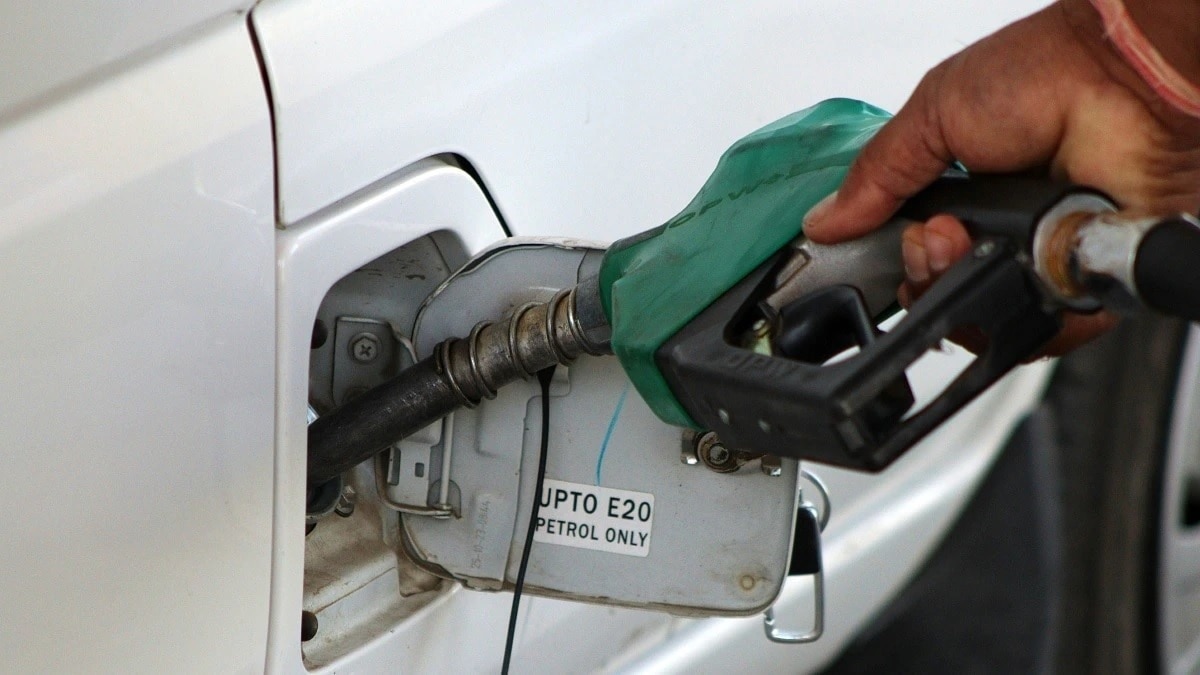
Scientists warned that E20 petrol could reduce mileage and shorten vehicle lifespan. They cited the lack of life‑cycle environmental assessments and inadequate supporting infrastructure as major concerns.
The appeal also calls for allocating at least 10% of the central budget and 30% of the state budget to education, and for raising research spending from 0.7% of GDP to at least 3%.
Organizers urged citizens to adopt scientific methodology and logical thinking under the slogan “Adopt Science, Secure the Future” to safeguard India’s collective future.
Why This Matters
BozokMedia analysis shows that without science‑based policy, India’s energy security and environmental stability are at risk. The uncertainties surrounding E20 rollout amplify economic and social vulnerabilities.
"The instability of E20 not only harms consumers but also erodes trust in the energy sector," says Prof. Aniket Sule, researcher.
Frequently Asked Questions
Q1: What is E20 petrol and how does it differ from regular petrol?
A1: E20 petrol contains 20% ethanol blended with 80% petrol, altering its combustion properties and energy density.
Q2: What steps has the government taken regarding the E20 policy so far?
A2: The government rolled out E20 in 2023 but has yet to establish a clear framework for its monitoring and evaluation.