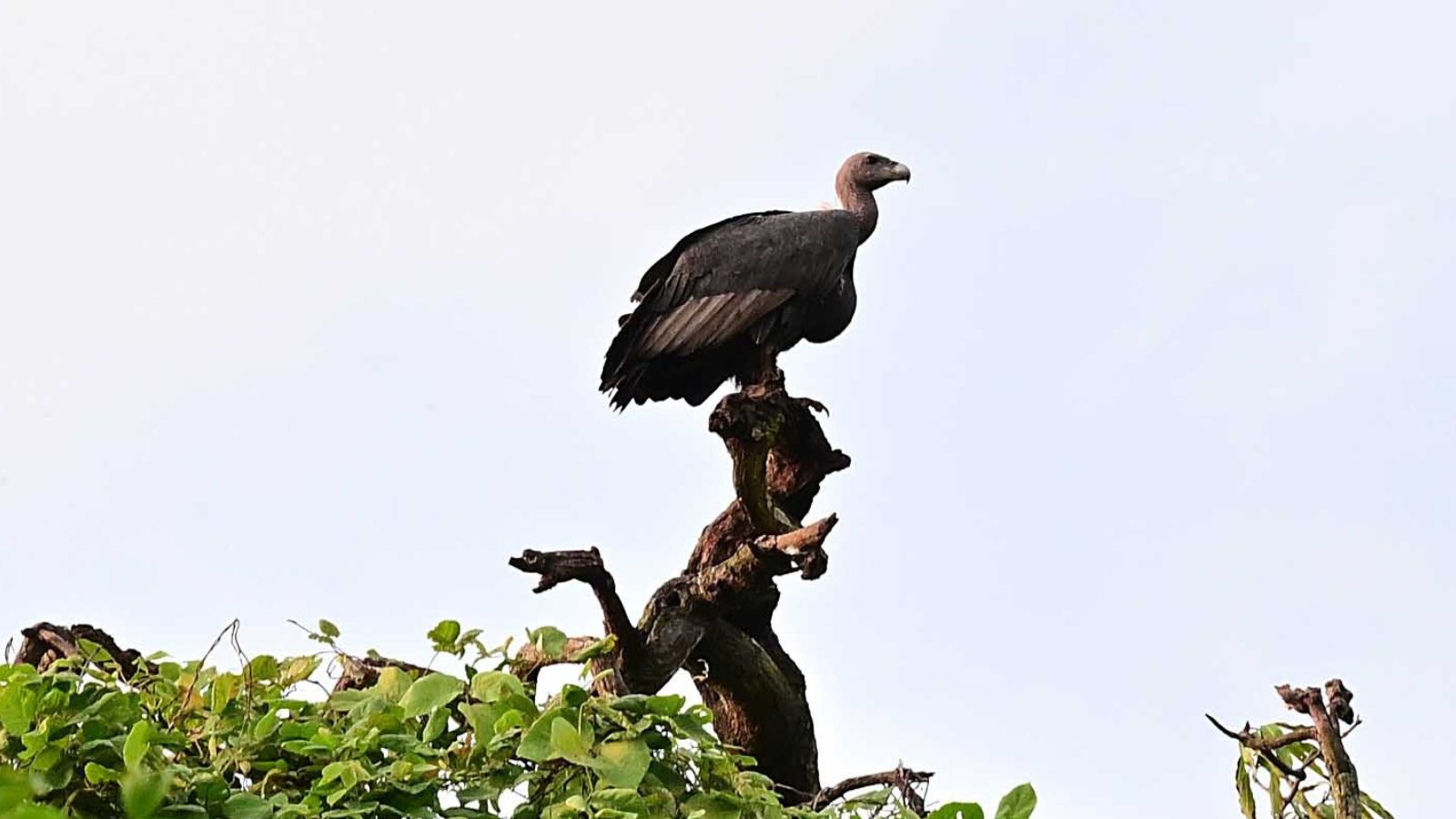
In 2002, the residents of Chirgaon in Maharashtra banned DJs and loudspeakers, a move that helped the vulture population grow from 22 to 347. The initiative, coupled with community-led feeding and habitat protection, has turned the village into a global conservation model.
- Chirgaon banned DJs in 2002, eliminating noise disturbance for vultures.
- NGO Seescap secured safe carcasses, ensuring continuous feeding for the birds.
- Today the village hosts 347 vultures, a testament to sustained conservation.
Located in Maharashtra’s Konkan region, Chirgaon made a landmark decision in 2002 to prohibit DJs and loudspeakers—common at weddings and festivals—to protect the critically endangered white‑backed and long‑billed vultures.
Origins of the Campaign
Conservationist PremSagar Mestri, founder of Seescap, first noticed the alarming decline in vulture numbers in 1999. By 2000, a survey recorded only 22 white‑backed and 6 long‑billed vultures in the village, prompting him to stay for three years to study and intervene.
Community‑Driven Change
Former sarpanch Kishor Gulgule recalled that the village halted tree cutting and forest product collection around 2000. A nursery was set up to grow native species—Arjun, Beheda, Wavhal, Mango—providing nesting sites, while firewood removal was minimized to protect habitats.
Why This Matters
BozokMedia analysis shows that protecting vultures stabilizes the region’s ecosystem and reduces disease transmission from carrion to livestock and humans.
“Vultures act as nature’s waste disposal, preventing the spread of zoonotic diseases.” – Dr. Sushma Patel, Wildlife Biologist.
Feeding the Colony
While the Raigad district’s cleanliness drive encouraged burying dead cattle, it inadvertently starved the vultures. Mestri and villagers negotiated an exception, allowing safe feeding of carcasses from road accidents and dairy farms, ensuring no toxic injections were present.
Frequently Asked Questions
Q1: Is the DJ ban unique to Chirgaon?
A1: While the decision was local, it has inspired similar measures elsewhere.
Q2: How sustainable is the current vulture population?
A2: With ongoing community support, the population is expected to grow beyond 347.


