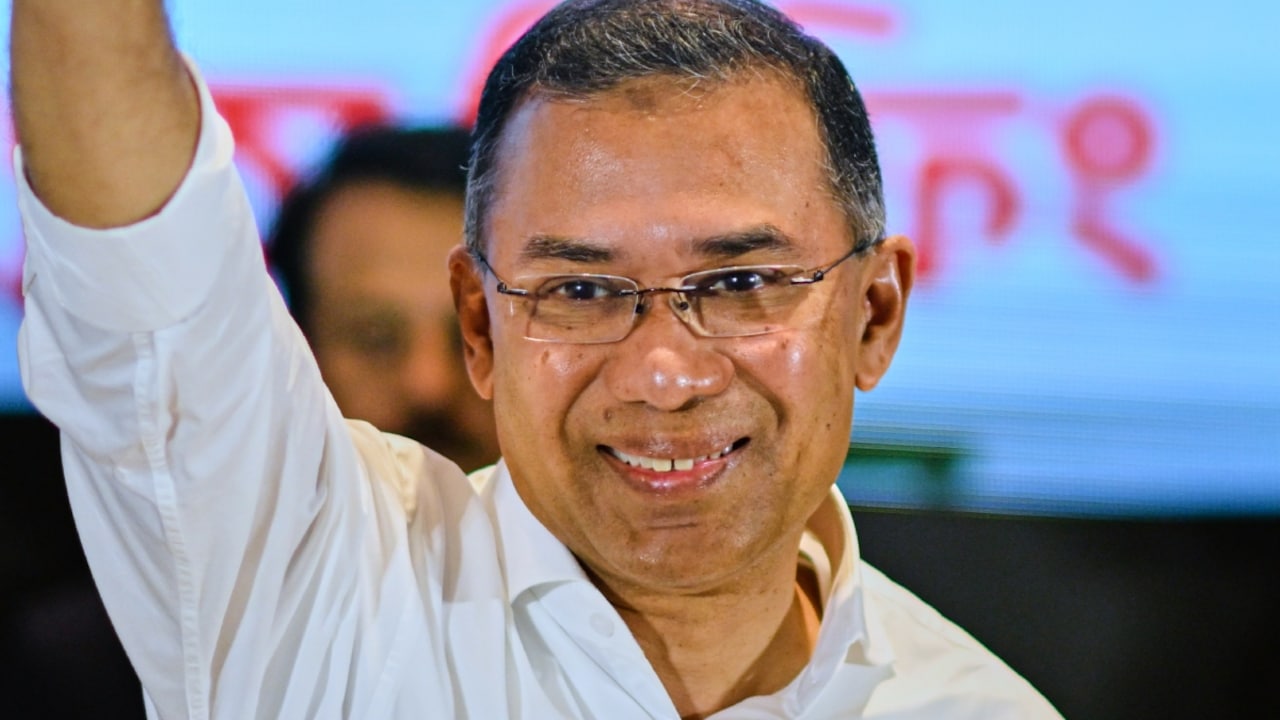
Giriraj Singh highlights a sharp rise in madrasa openings near the Bangladesh border, with more than 200 new institutions sprouting. This trend poses significant security, educational, and regional balance challenges. A balanced policy and community engagement are essential to address this issue.
- Madrassas are proliferating rapidly along the border.
- Growing concerns over security and religious education.
- Need for balanced policy and community involvement.
Policy analyst Giriraj Singh has shed light on the surge of madrasa openings near the Bangladesh border, where over 200 new institutions have been established in the past three years, posing new challenges for national education and security policies.
The rapid growth stems from several factors, including increased community trust in religious education and shifts in economic activities along the border. Some experts argue that this trend could disrupt regional equilibrium.
From a security perspective, the proliferation of madrassas has prompted the Indian armed forces to remain vigilant. Concerns over potential extremist activities have led the government to reinforce border security measures.
In terms of education, madrassas are often viewed as alternative learning centers. Critics argue that many lack modern curricula and scientific education, which could impede holistic youth development.
On the community level, the surge has altered the social fabric—promoting cultural diversity in some areas while sparking tensions in others.
Policy makers are taking steps to address the issue, including establishing regulatory frameworks, developing alternative education programs, and strengthening border security. These efforts aim to ensure balanced education and safety.
Why This Matters
BozokMedia analysis shows that the rapid expansion of madrassas along the Bangladesh-India border could have far-reaching implications for regional security, educational standards, and socio-economic development. The convergence of religious instruction and border dynamics demands a nuanced policy response that balances community needs with national interests.
"Education experts warn that without modern curricula, these institutions risk becoming isolated and counterproductive to national development goals," says Dr. Aisha Khan, a senior researcher at the Institute of Social Studies.
Frequently Asked Questions
Q1: How many madrassas have opened near the Bangladesh border in the last decade?
A1: Over 200 new madrassas have been established in this period, according to recent government data.
Q2: What measures are being taken to ensure these institutions comply with national educational standards?
A2: The Ministry of Education has initiated a regulatory framework that includes curriculum oversight and teacher certification requirements.