The India Meteorological Department warns of continued heavy to very heavy rainfall across Gujarat for the next 48 hours, with red alerts in Rajkot, Morbi and Surendranagar. Over 33 districts have already recorded an average of 21.84 mm in the past 24 hours, pushing the monsoon total to 729 mm.
- Heavy rain expected across Gujarat for the next 48 hours
- Red alerts issued for Rajkot, Morbi and Surendranagar districts
- 33 out of 34 districts logged an average of 21.84 mm in the last 24 hours
IMD’s latest warning
The India Meteorological Department (IMD) announced on Monday that Gujarat will experience heavy to very heavy rainfall for another 48 hours. A red alert has been issued for the Saurashtra districts of Rajkot, Morbi and Surendranagar, signalling the need for immediate local action.
Current rainfall statistics
Thirty‑three of the state’s thirty‑four districts have recorded an average of 21.84 mm of rain in the last 24 hours. By 6 a.m. Monday, Gujarat’s monsoon tally stood at 729 mm, representing 80.23 % of the historical average for this period. Only Devbhoomi Dwarka reported a deficit of 60‑99 %.
Highest‑rainfall talukas
According to the State Emergency Operation Centre (SEOC), Kaprada, Nana Pondha and Dharampur in Valsad district, Valia in Bharuch and Barwala in Botad district posted the highest totals. Kaprada received 113 mm, Valia 97 mm, Nana Pondha 90 mm, Dharampur 87 mm and Barwala 86 mm.
Impact on urban infrastructure
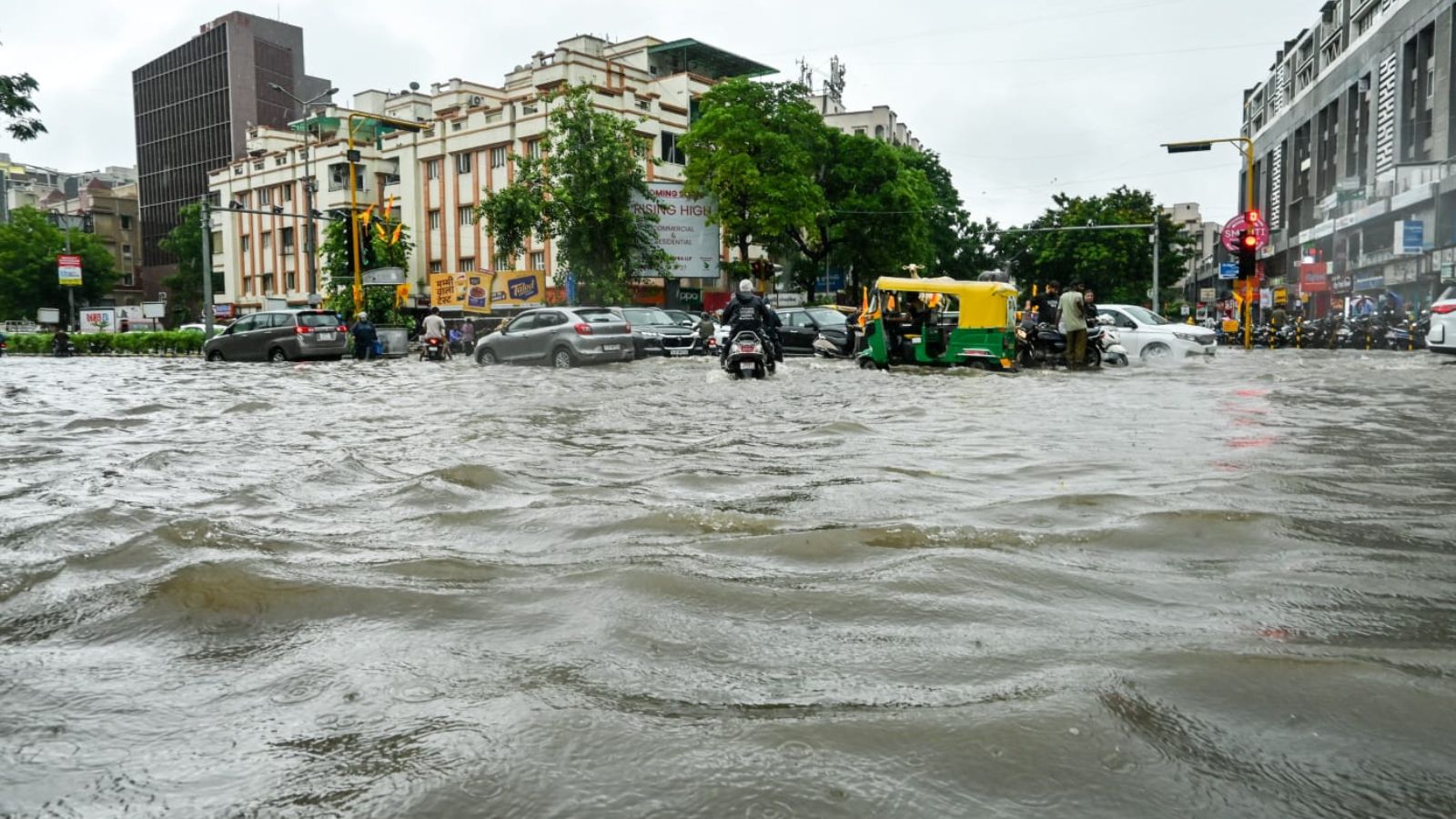
In Ahmedabad, the Mithakhali crossroads underpass was closed at 10:28 a.m., and the Akhbarnagar underpass shut at 12:50 p.m. due to waterlogging and traffic congestion.
Historical Background
Gujarat’s monsoon typically spans June to September, but recent years have shown erratic, intense rainfall patterns. The 2020 monsoon saw over 1,200 mm of rain in a single season, whereas 2026 has recorded 729 mm so far, indicating a still‑significant but different precipitation profile.
Why This Matters
BozokMedia analysis shows that prolonged heavy rainfall in Gujarat strains urban drainage infrastructure, heightens flood risk in low‑lying areas, and can disrupt agricultural cycles crucial for the state’s economy.
Continuous downpours could overwhelm drainage systems, raising flood risks in urban centers.
Frequently Asked Questions
Question 1: What precautions should residents take during this intense rainfall?
Answer: Avoid low‑lying flood‑prone areas, keep essential medicines and an emergency kit ready, and follow instructions from local authorities.
Question 2: How does this rainfall compare to the 2020 monsoon?
Answer: The 2020 monsoon delivered over 1,200 mm in the same period, whereas 2026 has reached 729 mm so far; however, the continuous heavy spells pose similar local challenges.