This week’s UPSC History and Culture quiz challenges candidates on key events—from the pivotal Battle of Plassey and the patriotic poems of Sindhudo to India’s first UNESCO World Heritage sites. It tests depth of knowledge across military, literary, and cultural domains.
- The patriotic poems in Sindhudo inspired youth during India’s freedom struggle.
- The outcome of the Battle of Plassey hinged on rain‑protected artillery and internal betrayals.
- India’s 1977 accession to the UNESCO World Heritage Convention paved the way for heritage protection, with the Taj Mahal among early listings.
Background and Context
UPSC’s daily subject‑wise quizzes aim to refresh candidates on static syllabus topics while also highlighting contemporary relevance. This week’s focus on History and Culture includes three core questions—covering literature, a decisive battle, and international heritage policy.
Question 1 – Sindhudo and Nationalism
Sindhudo, published in 1930, is a Gujarati collection of patriotic poems that galvanized youth in the freedom movement. The author, Jhaverchand Meghani, was jailed for two years for this work. The question underscores the role of literature in mobilizing the national struggle.
Question 2 – The Battle of Plassey
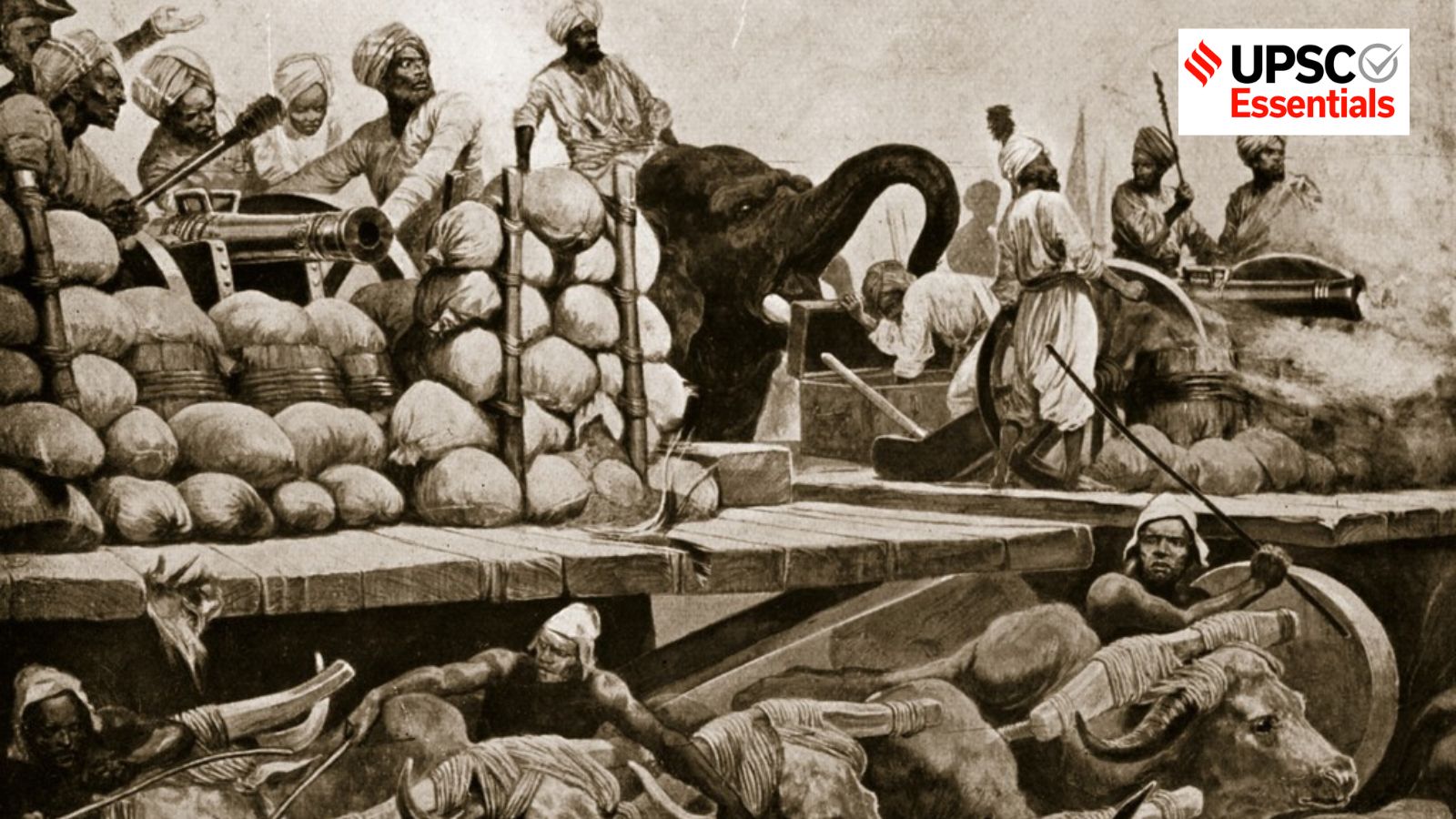
Fought on 23 June 1757, Plassey was a watershed moment in early British colonial expansion. Siraj‑ud‑Daulah’s forces fielded 35,000 infantry, 15,000 cavalry, and 53 artillery pieces overseen by French experts, yet rain rendered the Nawab’s guns silent. The British protected their ammunition, maintained fire, and benefited from Mir Jafar’s withdrawal, leading to a decisive victory. This question examines the interplay of military logistics and political intrigue.
Question 3 – UNESCO and the Taj Mahal
India ratified the UNESCO World Heritage Convention in 1977, enabling the country to nominate sites of exceptional significance. While the Taj Mahal was among the earliest Indian inscriptions, it was added in 1983—not within the first three. The question tests knowledge of heritage chronology and international frameworks.
Why This Matters
BozokMedia analysis shows that such quizzes compel candidates to link historical nuances with present‑day policy and cultural preservation, fostering a deeper, more holistic understanding of India’s past.
“The Battle of Plassey and UNESCO’s framework both illustrate how historical insight informs contemporary decision‑making in governance and heritage protection.” – Prof. Rakesh Sharma, historian.
Frequently Asked Questions
Q1: In what year was Sindhudo first published?
A1: 1930.
Q2: When was the Taj Mahal added to the UNESCO list?
A2: 1983.