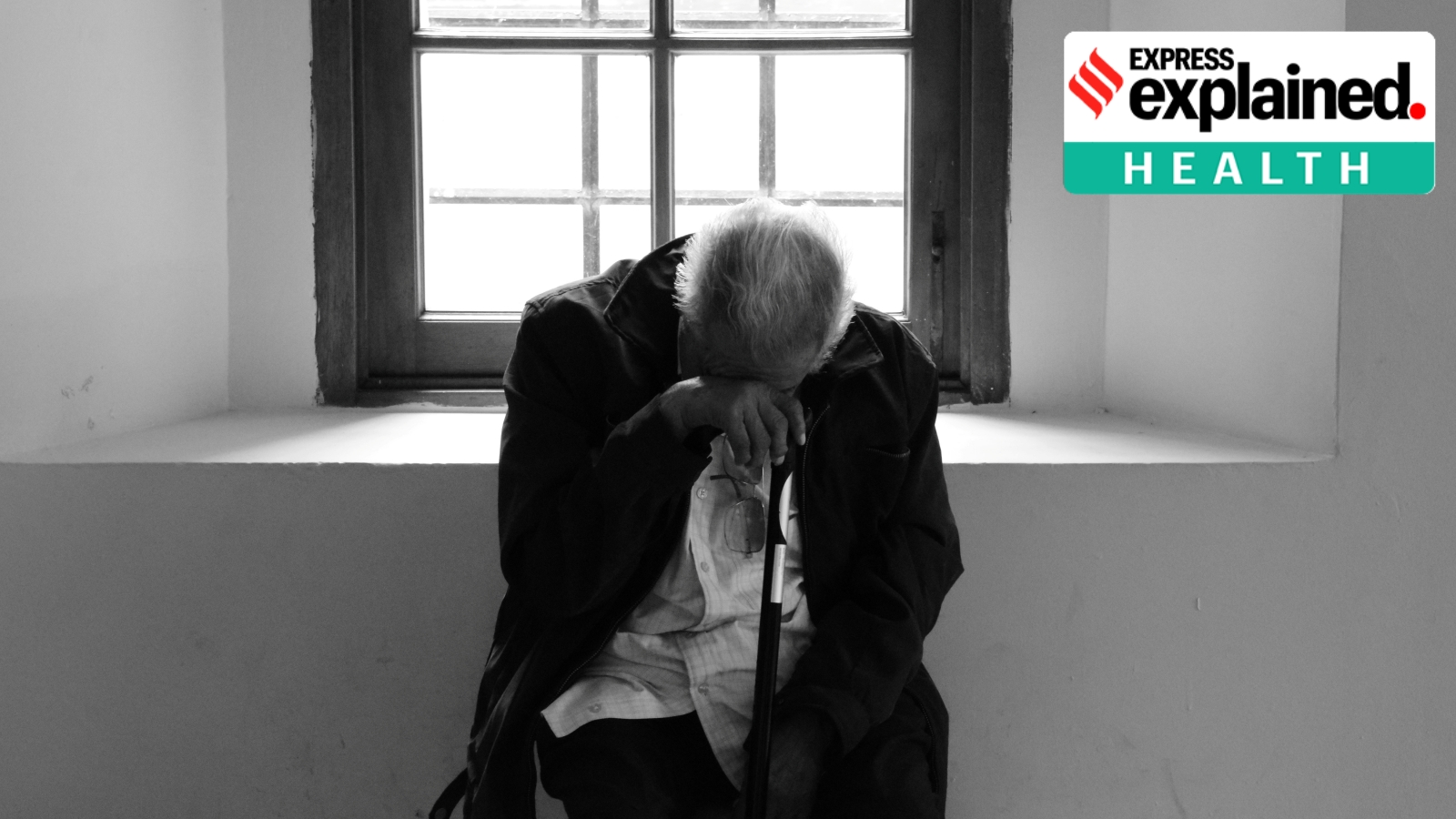
The suicide of former Delhi chief secretary Rakesh Mehta highlights a concealed mental‑health crisis among seniors. NCRB data shows senior‑citizen suicides are growing faster than other demographics, with illness and isolation as key drivers. AIIMS Delhi’s Dr. Mamta Sood explains warning signs and why early intervention matters.
- Suicide risk among older adults is rising faster than other age groups.
- Illness, isolation and loss of professional identity are major triggers.
- Early intervention and redefining purpose can dramatically reduce risk.
Rakesh Mehta’s Tragic End and Its Lessons
Former Delhi chief secretary Rakesh Mehta, 75, ended his life in his Noida home, a stark reminder that vulnerability often hides behind competence and authority. Police notes cited prolonged illness, while reports highlighted his isolation and chronic conditions such as hypertension and diabetes. The case underscores how disease, loneliness, retirement and identity loss can converge to push an individual to the edge.
National Crime Records Bureau Findings
India recorded 1,70,746 suicides in 2024, with senior‑citizen numbers growing at the fastest rate. For those 60+, illness, isolation, loss of autonomy, bereavement and eroded professional identity intersect to trigger self‑harm. The NCRB reports that illness accounted for 18% of suicides in 2024—second only to family problems. WHO estimates that people aged 70+ account for 16.6% of global suicide deaths.
Expert Insight from Dr. Mamta Sood
Professor of psychiatry at AIIMS Delhi, Dr. Mamta Sood, states, “The hardest transition is not retirement itself but confronting the gradual loss of authority, status, relevance, independence, financial autonomy and physical strength.” She urges a shift in perspective: “Ageing is a transition to another chapter of life rather than a confrontation with irrelevance.”
Why This Matters
BozokMedia analysis shows that mental‑health services for seniors in India remain limited. If policymakers recognize this shift and build active support networks, suicide rates could fall dramatically.
“Empathy and encouragement are the most powerful tools for mental wellbeing in later life.”
Did You Know?
Frequently Asked Questions
1. What are the main causes of suicide among seniors?
Key factors include chronic disease, social isolation, loss of autonomy, bereavement and the erosion of professional identity.
2. How can families and communities help?
Regular mental‑health checkups, social support groups and disease‑management programs can mitigate risk.