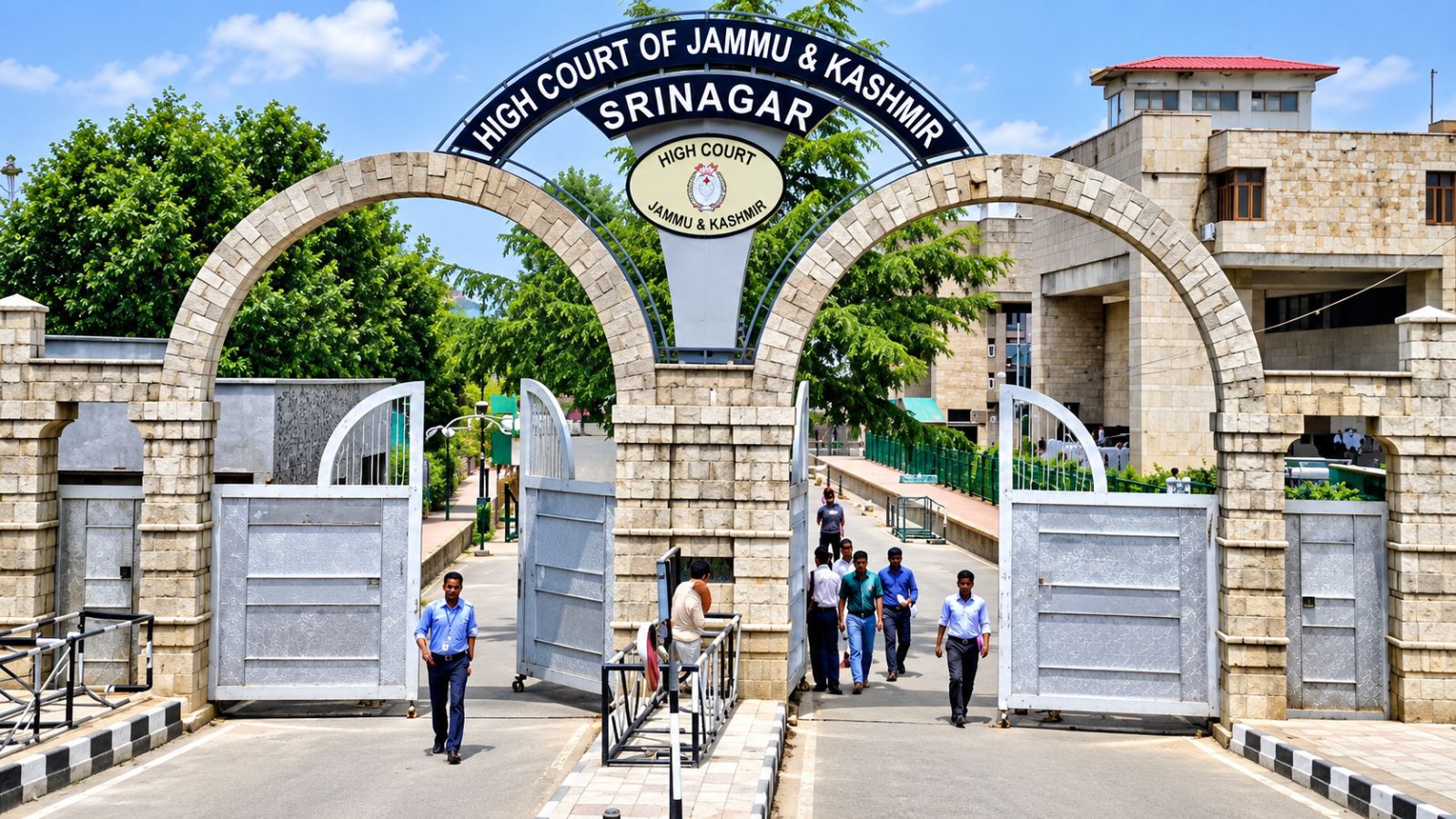
A three‑judge bench led by Chief Justice Surya Kant directed former Mayor Farhad Suri to file a complaint with the local police station, rejecting his plea for an FIR against the Uttar Pradesh police raid.
- Supreme Court rejects Farhad Suri’s petition
- Police instructed to address grievance at jurisdictional station
- No new guidelines issued to curb similar raids
Background
Former Delhi Mayor Farhad Suri filed a petition after a midnight raid on his Nizamuddin East residence on the night of August 22‑23, 2026. He alleged that the Uttar Pradesh police, acting on a warrant, arrived in a convoy of 15‑16 vehicles and conducted a “high‑handed, unauthorized and intimidating” operation.
The raid was purportedly aimed at locating independent journalist Abhishek Upadhyay, who had exposed misappropriation of Ram Temple donations. Suri claimed the police failed to produce a search warrant and acted without proper coordination with Delhi authorities.
Supreme Court Verdict
A three‑judge bench headed by Chief Justice of India Surya Kant ordered Suri, represented by advocate Anoop Prakash Awasthi, to approach the jurisdictional police station under the Bharatiya Nagarik Suraksha Sanhita, 2023, for an appropriate remedy. The Court noted, “There is a statutory mechanism; everyone must follow the procedure.”
The Court also declined Suri’s request for guidelines to prevent future “arbitrary exercise of police power,” warning that accepting such a petition would open the “floodgates.”
Why This Matters
BozokMedia analysis shows that this verdict reinforces the principle that inter‑state police operations must respect procedural safeguards, while also signaling to political figures that judicial recourse is limited when proper channels are bypassed.
"Cross‑state police actions without clear legal backing threaten federal balance and individual liberties," says constitutional law expert Dr. Ananya Rao.
Historical Background
Inter‑state police cooperation in India has a contentious history. The Supreme Court’s 2008 ruling on “state‑boundary police actions” emphasized the need for explicit protocols, a principle echoed in today’s decision. Prior incidents involving Uttar Pradesh police operating in Delhi have repeatedly raised jurisdictional concerns.
Frequently Asked Questions
Question 1: Did the Supreme Court deem the midnight raid illegal?
Answer: The Court acknowledged procedural compliance but directed the petitioner to seek remedy through the local police station.
Question 2: What impact will this decision have on future inter‑state raids?
Answer: It is likely to encourage stricter adherence to legal protocols and reinforce the necessity of jurisdictional consent.