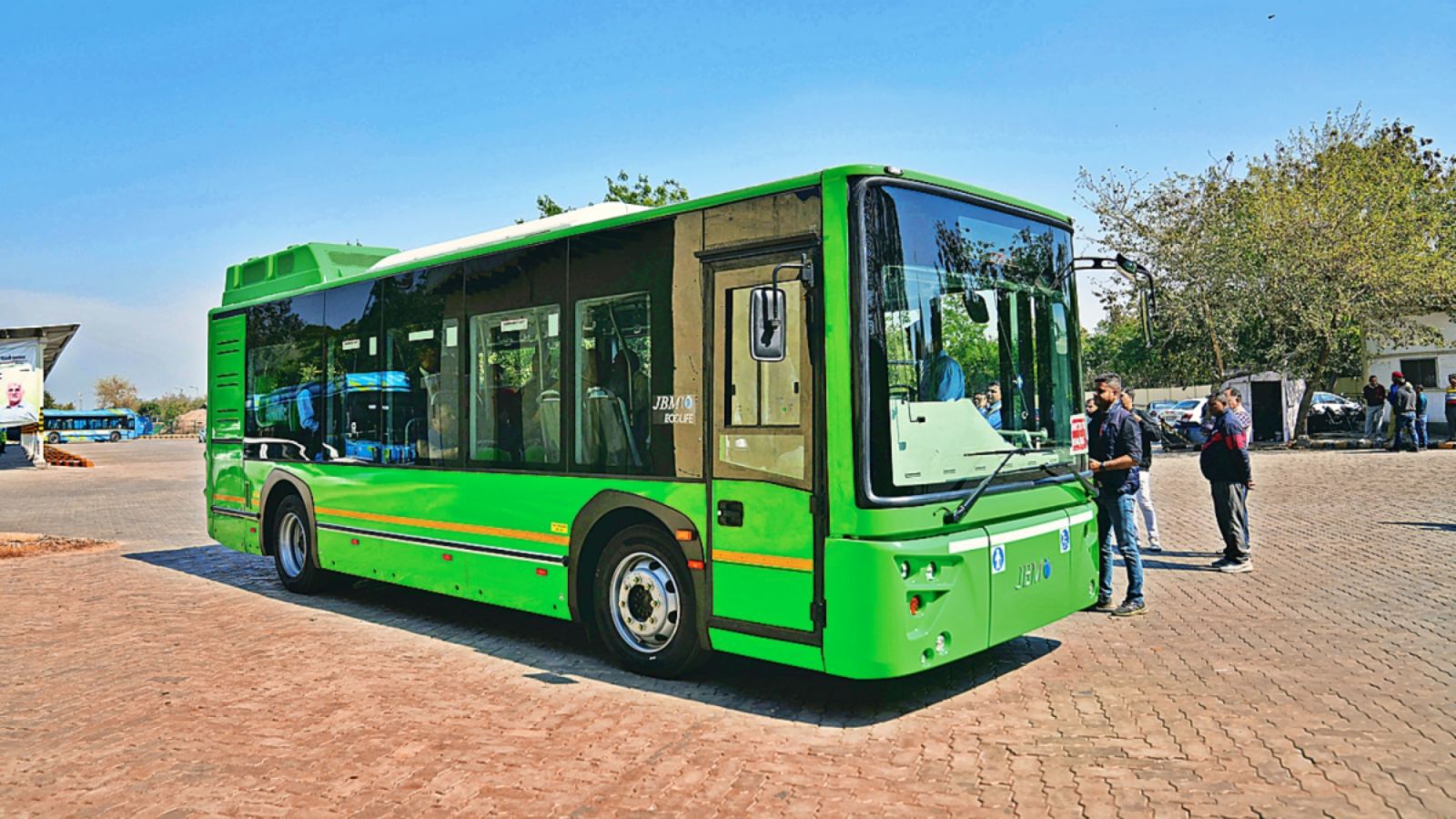
The Delhi government is set to launch 50 new women‑only buses equipped with all‑female staff, panic buttons, and electric technology, aiming to raise safety standards in public transport. The move targets high‑traffic routes and aligns with the nation’s EV adoption drive.
Key Takeaways
- Approximately 50 new women‑only buses featuring all‑female crew and panic‑button alerts
- Service to cover 20‑25 high‑density corridors, focusing on outer Delhi and university zones
- Buses procured under the PM‑E‑DRIVE scheme will be electric, supporting Delhi’s goal of 14,000 buses by 2028‑29
Delhi’s administration is scaling up its Ladies Special bus service to improve safety for female commuters. The plan adds around 50 dedicated buses that will operate on key routes, staffed entirely by women, and fitted with marshals, CCTV cameras, and panic‑button systems.
Historical Context
The service was originally introduced when the Congress party held power, initially running on just two routes as a special request. Over the years, it remained limited, but a senior DTC official confirmed that the government now intends to implement the scheme in a structured manner, expanding both the fleet and safety features.
Expansion Blueprint
Authorities have earmarked 20‑25 busy corridors—including Central Delhi, ITO, and areas surrounding prominent colleges and offices—for the rollout. These routes often lack extensive Metro connectivity, making the new buses a vital last‑mile solution for women and students. Operating hours will span from 5 a.m. to 11‑12 p.m., ensuring safe travel throughout the day.
The buses will be purchased under the PM‑E‑DRIVE Scheme, which accelerates electric vehicle adoption nationwide. In the first phase, 25 buses will serve outer‑Delhi neighborhoods, while another 25 will function as University Specials. The government is also evaluating the usage of Saheli Pink Smart Cards, which grant free travel to women, to identify corridors with high demand for women‑only services.
Experts argue that this initiative not only enhances commuter safety but also dovetails with Delhi’s broader ambition to modernize its fleet—targeting 14,000 buses by 2028‑29, with a growing share of electric units. If successful, the model could be replicated in other metros, setting a national benchmark for gender‑sensitive, eco‑friendly public transport.