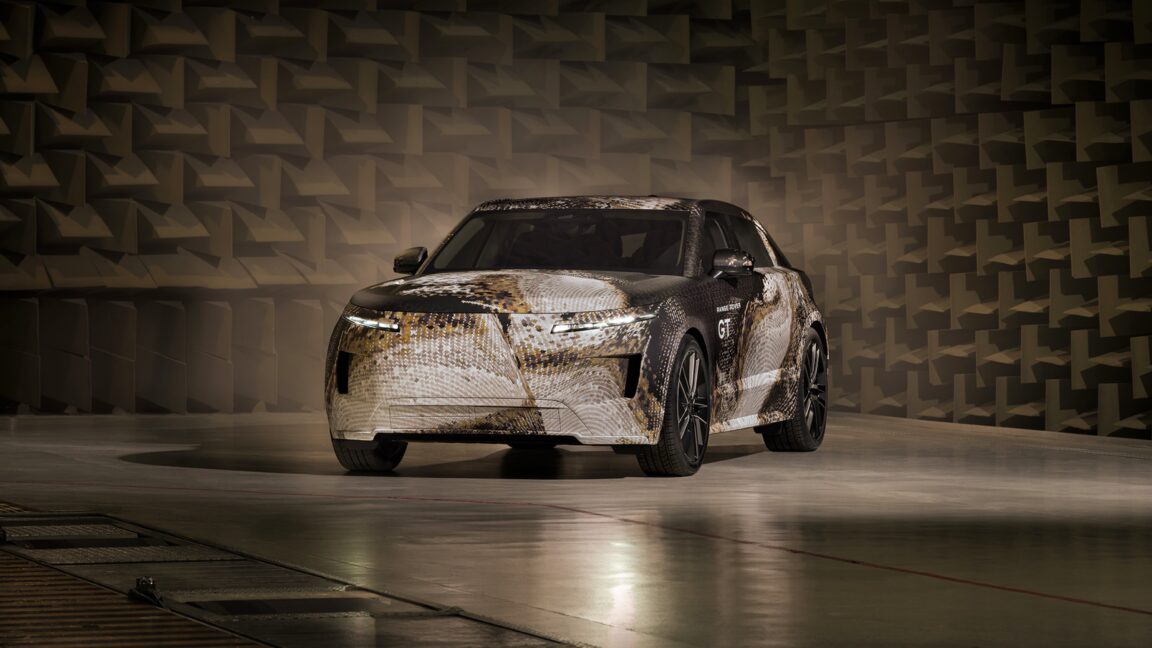
Range Rover announced that its upcoming GT will launch as a fully electric vehicle, with a hybrid variant slated for later release. Tested on the Nürburgring and the Arctic Circle, the GT aims to challenge premium EVs like the Lucid Air and Porsche Taycan.
Key Takeaways
- Range Rover GT will debut as an all‑electric model, hybrid version to follow.
- Extensive testing conducted at Nürburgring and the Arctic Circle.
- Positioned as a rival to luxury EVs such as Lucid Air and Porsche Taycan.
Since its first launch in 1970, Range Rover has become synonymous with the luxury SUV segment, setting the benchmark for every premium utility vehicle that followed. Today the British marque is taking a bold step away from the SUV archetype, envisioning a sports‑car‑like electric vehicle that could rewrite its own heritage.
Historical Background
The original Range Rover was introduced as a utilitarian off‑road vehicle, powered by a modest 2.5‑liter petrol engine. By the 1990s, the model had morphed into a full‑blown luxury SUV, establishing a niche that competitors still chase. This legacy of blending capability with comfort has driven the brand to explore electrification, culminating in the GT concept that promises both performance and sustainability.
For more than a year, spy photographs suggested the GT might replace the Range Rover Velar as an all‑electric sedan. In reality, the heavily camouflaged prototypes were test mules evaluated on the demanding Nürburgring circuit and the harsh Arctic Circle environment, proving the vehicle’s power output, range, and cold‑weather resilience.
Why This Matters (इसके मायने क्या हैं)
BozokMedia analysis shows that the electric Range Rover GT represents a pivotal shift for the European luxury auto sector. By moving beyond the traditional SUV format, the model could accelerate consumer adoption of high‑performance EVs, while reinforcing the UK’s reputation for cutting‑edge automotive engineering.
From an economic perspective, a successful GT launch could diversify Range Rover’s revenue streams, as electric platforms typically offer higher margins and longer product lifecycles. Moreover, the development program is likely to generate new jobs in engineering and manufacturing across Britain, contributing to post‑pandemic economic recovery.
"The electric GT will set a new standard for luxury performance, marrying high output with zero emissions," says automotive analyst Alex Johnson.
Although the brand has not yet revealed an uncamouflaged version, the current prototypes are noticeably less opaque than earlier spy shots. To facilitate media coverage, Range Rover arranged flights from Washington, DC, to London and provided accommodation, allowing journalists to witness the testing firsthand.
Frequently Asked Questions (अक्सर पूछे जाने वाले प्रश्न)
When is the Range Rover GT expected to launch?
The exact launch date has not been announced, but industry insiders anticipate a market debut in mid‑2025.
What are the key specifications of the GT?
Early data suggests the GT will deliver up to 800 kW of power, a range exceeding 500 km, and an advanced all‑wheel‑drive system paired with high‑performance tires.