Heavy rains triggered landslides on the Lonavala‑Karjat section, forcing Central Railway to cancel 30 daily trains. To ease commuter distress, the state announced 200 additional bus services, offering a reliable alternative for travelers between Mumbai and Pune.
Key Takeaways
- Central Railway cancels 30 trains, service disruption until July 17.
- MSRTC adds 200 extra bus trips, raising daily capacity to over 300.
- Potential positive impact on tourism, commerce, and emergency logistics.
Heavy monsoon showers this week caused multiple landslides along the Lonavala‑Karjat section, prompting Central Railway to suspend 30 train services that normally link Mumbai and Pune. The cancellations, effective from July 11 through July 17, left thousands of daily commuters and freight operators scrambling for alternatives.
State’s Rapid Response
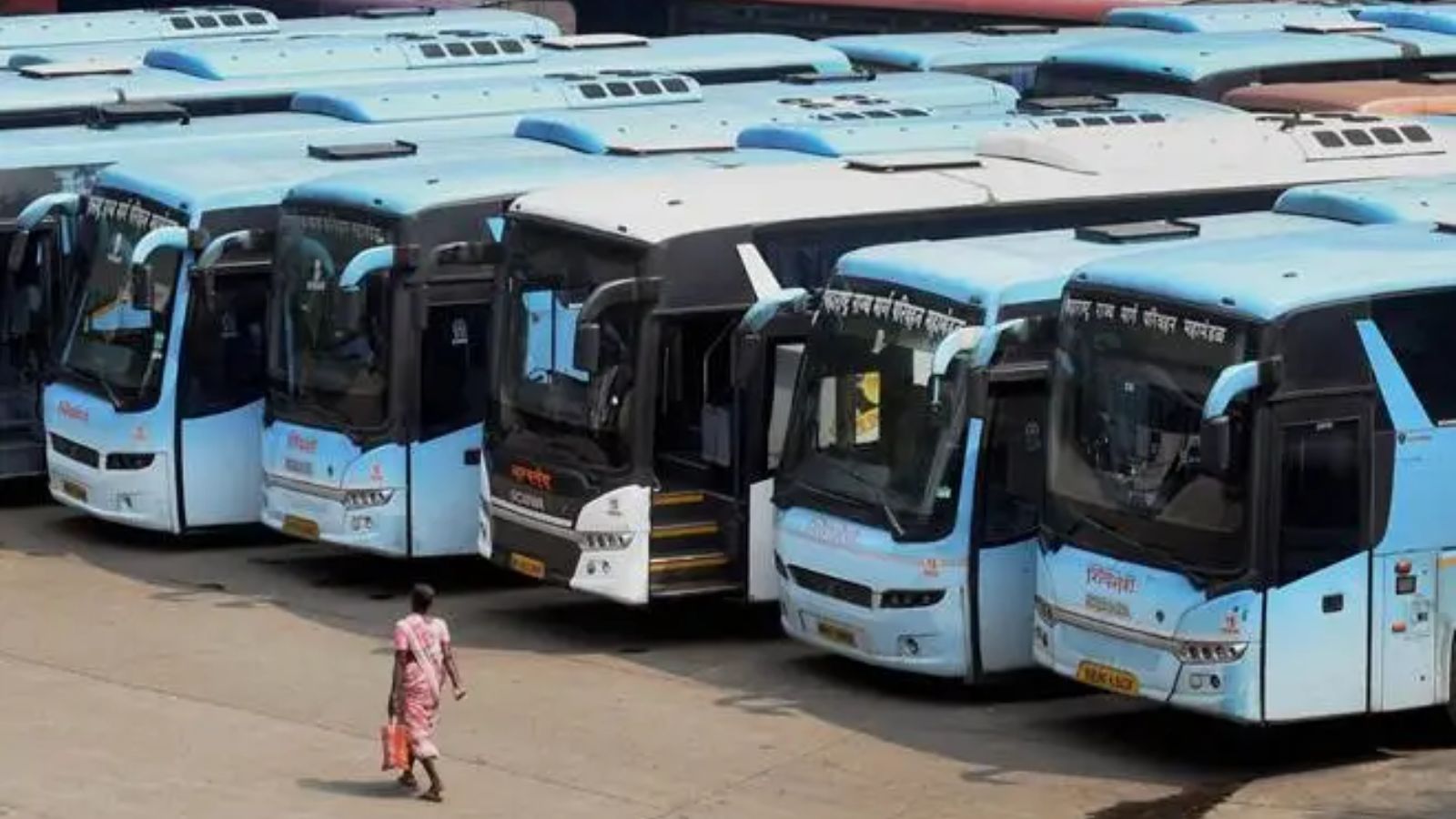
Transport Minister Pratap Sarnaik announced on X that the Maharashtra State Road Transport Corporation (MSRTC) would immediately introduce 200 additional daily bus trips on the Mumbai‑Pune corridor. The minister described the move as a “safe, fast, and uninterrupted” travel solution for passengers affected by the rail shutdown.
Details of the Expanded Bus Service
According to MSRTC officials in the Pune division, roughly 100 buses already ply the route each day. The new schedule will layer both e‑Shivneri electric buses and conventional ST buses, pushing total daily capacity beyond 300 trips. Depots have been instructed to deploy extra vehicles on demand, and the transport administration will continuously monitor the situation to avoid any passenger inconvenience.
Environmental and Economic Implications
While rail disruptions typically shift traffic to roads, increasing congestion and emissions, MSRTC’s reliance on electric buses helps mitigate the environmental fallout. Economically, maintaining a steady flow of commuters supports local businesses and reduces potential revenue losses for the logistics sector.
Looking Ahead
Central Railway has indicated ongoing efforts to restore all three lines, but extensive damage and challenging working conditions may prolong repairs. In the interim, the state has pledged to keep augmenting alternative transport options, ensuring that future disruptions are managed with minimal impact on the public.