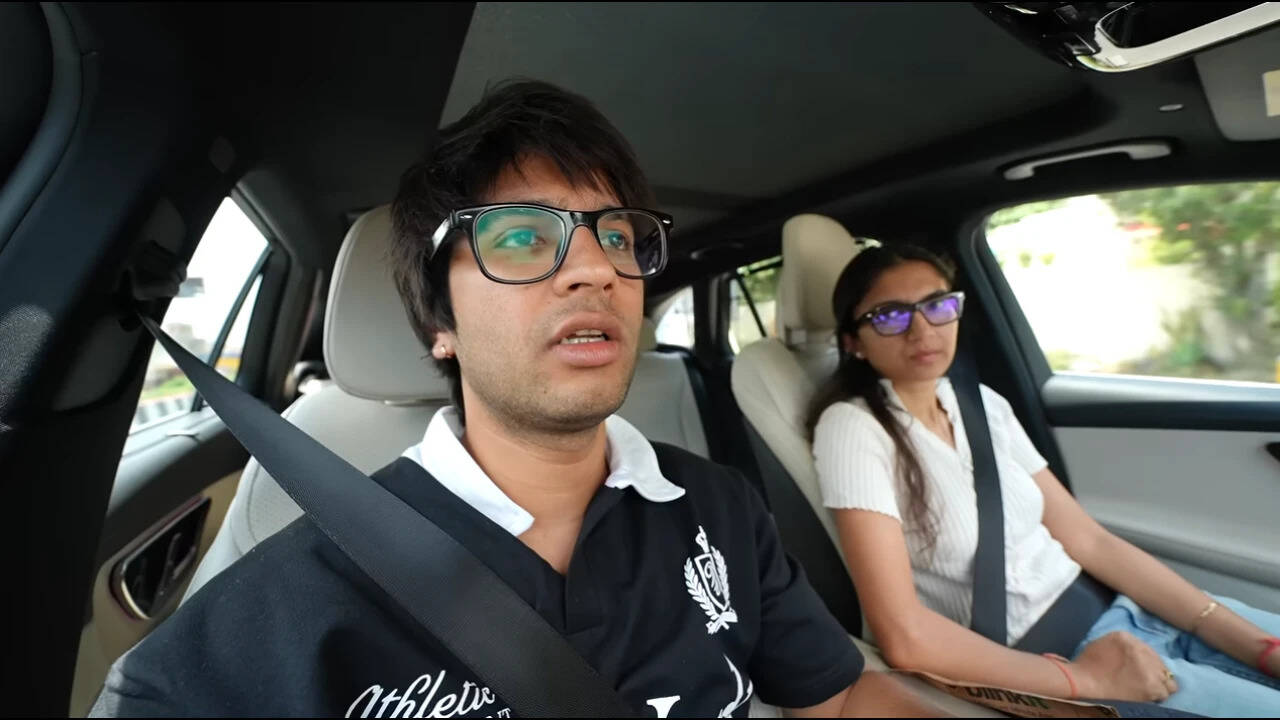
YouTuber Sourav Joshi clarified that the reduced mileage of his Mercedes‑Benz SUV on E20 petrol was due to an engine problem, not the fuel itself. Mercedes‑Benz India reaffirmed that all BS‑VI petrol models are fully compatible with E20, underscoring its commitment to customer safety and sustainable mobility.
मुख्य बिंदु (Key Takeaways)
- Sourav Joshi cites an engine fault, not E20 fuel, for low mileage
- Mercedes‑Benz India confirms all BS‑VI petrol vehicles work seamlessly with E20
- Influencer accountability and sustainable automotive policies remain under scrutiny
Popular Indian automotive influencer Sourav Joshi sparked a debate after he claimed that his Mercedes‑Benz SUV delivered poor mileage when running on the newly mandated E20 petrol blend. In his initial vlog, the YouTuber suggested the fuel itself was responsible for the dip, prompting viewers to question the compatibility of premium vehicles with the 20% bio‑fuel mix.
Background: E20 and BS‑VI Regulations
India’s transition to BS‑VI (Bharat Stage VI) emission standards in April 2023 mandated the use of E20 petrol—an ethanol‑enriched fuel containing up to 20% bio‑ethanol. The policy aims to cut carbon emissions, reduce reliance on crude oil, and promote greener mobility. Automakers, including Mercedes‑Benz, publicly assured that their BS‑VI‑compliant petrol models, ranging from compact cars to SUVs, are engineered to operate flawlessly on E20 without any modifications.
Joshi’s Clarification
Following the backlash, Joshi released a follow‑up video acknowledging that the low mileage was not a result of the E20 blend. He explained that a sensor malfunction within the engine’s fuel‑management system caused an abnormal increase in fuel consumption. To prevent further confusion, he edited out the contentious segment from his original vlog and issued a public apology for any misunderstanding.
Mercedes‑Benz’s Response
Mercedes‑Benz India reiterated its stance, confirming that every BS‑VI petrol‑powered vehicle in its lineup, including the SUV featured by Joshi, meets the E20 compatibility criteria. The company emphasized its ongoing commitment to customer safety, urging owners who experience any irregularities to visit authorized service centers promptly.
Implications for Influencer Credibility
This episode has reignited conversations about the responsibility of social‑media creators when reviewing technical products. Industry analysts argue that influencers should back their claims with rigorous, data‑driven testing to avoid disseminating misinformation. The incident also underscores the delicate balance brands must maintain when collaborating with personalities who possess large yet sometimes inexperienced audiences.
Ultimately, Joshi’s swift admission and corrective action demonstrate how transparent communication can mitigate reputational damage—for both the creator and the automobile maker. As India pushes toward sustainable fuel adoption, accurate reporting will be pivotal in shaping public perception and fostering trust in emerging technologies.