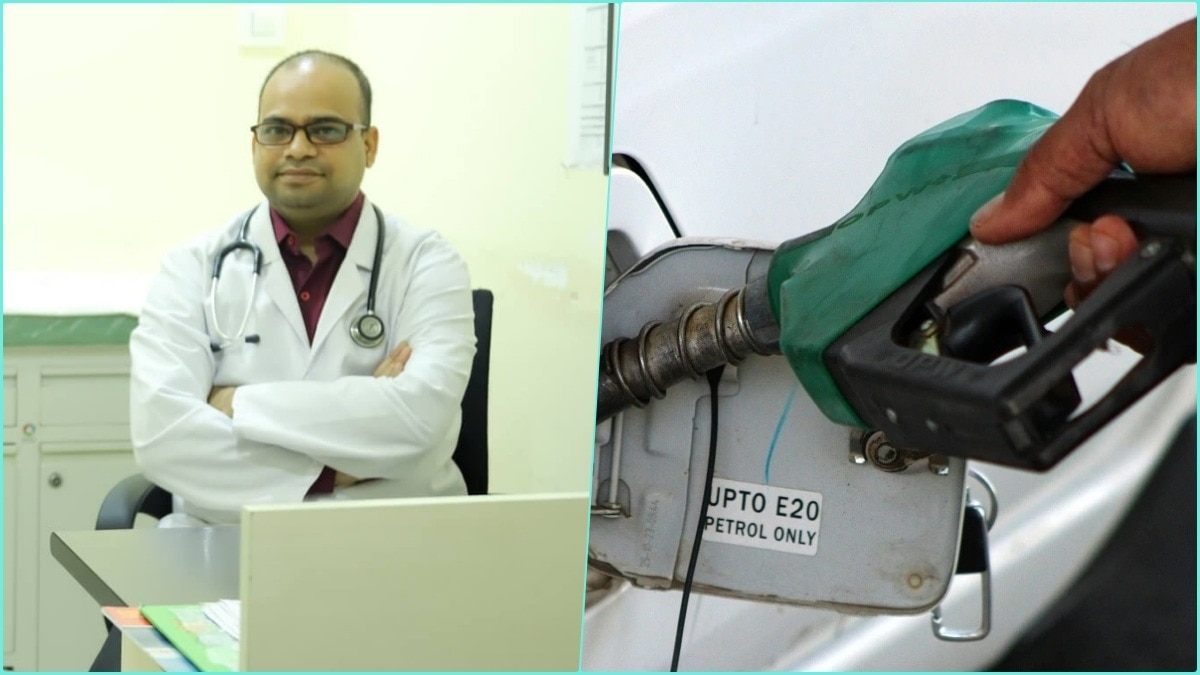
In a landmark ruling, a consumer court has ordered an automobile manufacturer to replace a faulty vehicle or refund the full amount following engine failures linked to E20 petrol usage.
Key Takeaways
- The Raipur District Consumer Disputes Redressal Commission ruled in favor of a customer facing recurring engine issues.
- The court noted that consumers cannot be blamed for using E20 petrol when it is the standard fuel available at pumps.
- The manufacturer has been directed to either provide a new car or issue a complete refund.
- This decision sets a massive precedent for the implementation of Ethanol-blended (E20) fuels in India.
In a significant development for the Indian automotive industry, the Raipur District Consumer Disputes Redressal Commission has delivered a landmark verdict regarding engine malfunctions caused by E20 (20% ethanol-blended) petrol. The case, involving a consumer named Dr. Premraj Debta, highlights the growing friction between new fuel mandates and vehicle compatibility.
The Core of the Dispute
Dr. Debta, a renowned nephrologist, purchased a Maruti Grand Vitara Strong Hybrid in June 2024. Shortly after, the vehicle began displaying 'Engine Malfunction' signs on the dashboard. Despite multiple visits to authorized service centers, the issue persisted. The dealership initially blamed 'contaminated fuel,' leading to a series of expensive repairs. Dr. Debta reported that the fuel in the tank often appeared to have a 'curd-like' substance settled at the bottom, rendering the vehicle unreliable for his daily long-distance commutes.
Legal Battle and Manufacturer's Defense
During the proceedings, the automobile manufacturer and its dealership argued that the vehicle model was fully compliant with E20 fuel standards. They contended that the engine failure could be attributed to poor maintenance or standard wear and tear rather than the fuel itself. However, the Commission found these arguments unconvincing, noting that the repeated failure of the vehicle despite multiple repairs indicated a fundamental defect that could not be rectified through routine servicing.
A Landmark Precedent for India
The Commission's reasoning was profound: if E20 petrol is being made widely available at fuel stations across the country, a consumer cannot be expected to seek alternative fuels. This judgment places the onus of compatibility squarely on the manufacturers. As India pushes aggressively toward ethanol blending to reduce oil imports, this ruling serves as a critical legal benchmark for consumer protection in the era of green fuels.