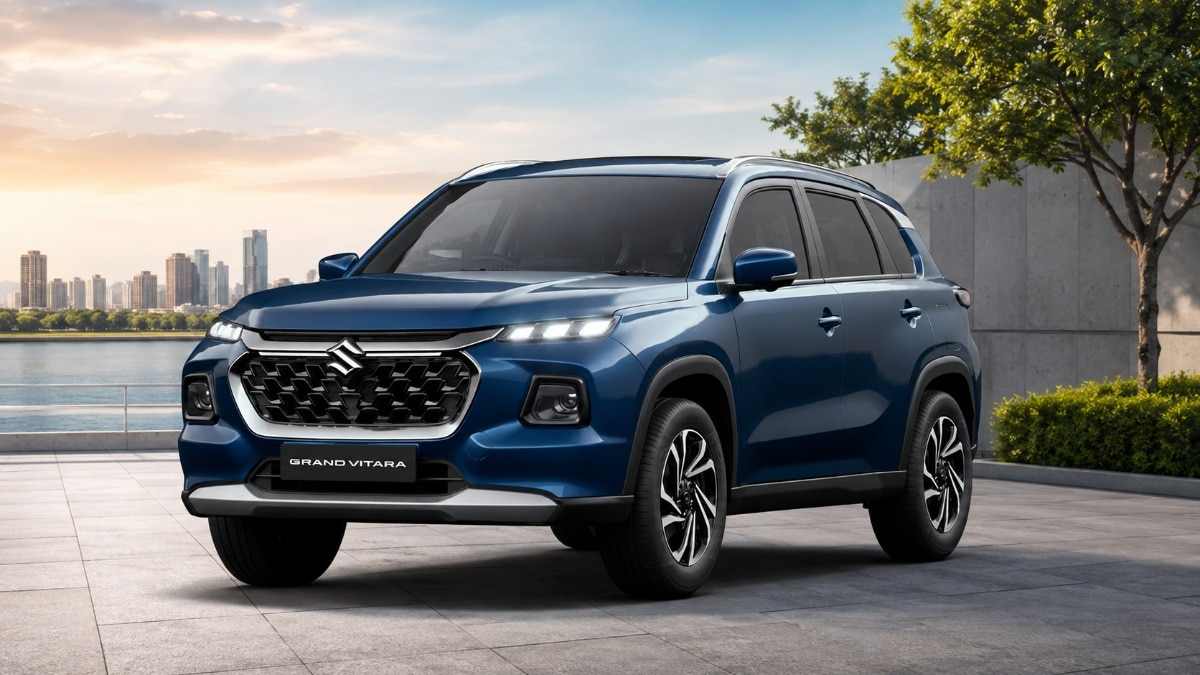
Maruti Suzuki contests a Raipur consumer court ruling that demanded a vehicle replacement or a ₹20.5 lakh refund due to alleged E20 fuel incompatibility.
Key Takeaways
- Raipur Consumer Commission ordered Maruti Suzuki to replace a Grand Vitara or refund ₹20.5 lakh.
- The ruling claimed the SUV was not compatible with E20 (ethanol-blended) fuel.
- Maruti Suzuki maintains the vehicle is fully E20 compatible and will appeal the decision.
- The case highlights growing concerns regarding biofuel compatibility and manufacturer liability.
Automotive giant Maruti Suzuki has announced its intention to challenge a significant ruling by the Raipur District Consumer Disputes Redressal Commission. The commission had directed the automaker and its dealer to replace a customer's Maruti Grand Vitara or provide a full refund of ₹20.5 lakh, citing issues with E20 fuel compatibility.
The Core of the Dispute
The legal battle was initiated by Dr. Premraj Debta, a Raipur-based physician who purchased a top-end Grand Vitara in June 2024. After covering approximately 22,000 km, the vehicle reportedly began experiencing recurring engine malfunctions, including stalling and warning light triggers. The complainant alleged that despite multiple service attempts, the issues persisted, leading to a claim of deficiency in service.
The Commission's Stance on Biofuels
A pivotal aspect of the commission's decision is the rapid rollout of India's ethanol-blending programme. The commission noted that since E20 petrol has become the standard available at most fuel stations, consumers should not be penalized for compatibility issues. It ruled that the vehicle, manufactured in early 2023 and sold in mid-2024, should have been seamlessly compatible with the prevailing fuel standards. Consequently, the commission ordered a replacement with a Grand Vitara Strong Hybrid Zeta Plus or a total refund, along with ₹1 lakh for mental harassment.
Maruti Suzuki's Defense
Maruti Suzuki has vehemently denied the allegations of unfair trade practices. The company asserts that the Grand Vitara is fully E20 compatible, a fact explicitly mentioned in the owner's manual. The manufacturer suggested that the engine issues might stem from fuel contamination, improper maintenance, or general wear and tear rather than a design flaw. The company plans to escalate the matter to a higher judicial forum to contest the findings.
Industry Implications
This legal confrontation serves as a landmark case for the Indian automotive industry. As the nation aggressively transitions toward sustainable biofuels, the intersection of manufacturer liability and consumer rights becomes a critical battleground. The outcome of this appeal could set a legal precedent for how vehicle compatibility with blended fuels is interpreted in Indian courts.