A LocalCircles survey reveals nearly half of petrol vehicle owners would pursue legal action if E20 fuel causes major damage. This follows a landmark consumer court ruling against Maruti Suzuki.
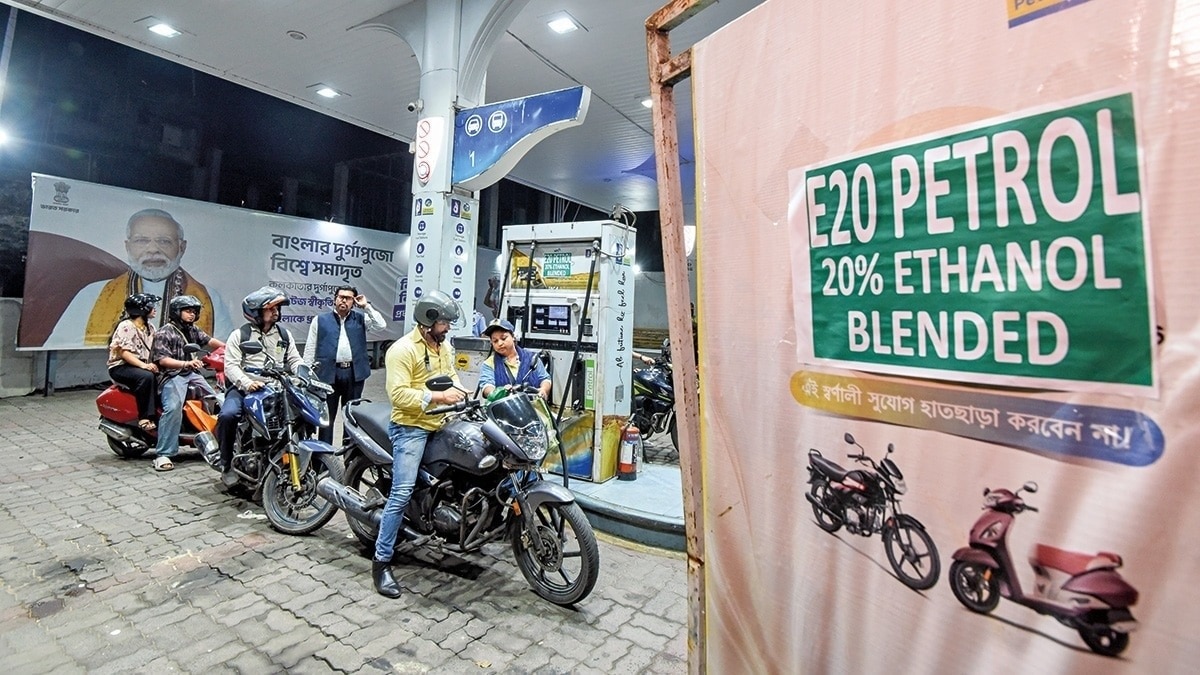
A massive wave of consumer discontent is brewing in India's automotive sector. According to a recent survey by LocalCircles, nearly 45% of petrol vehicle owners are prepared to approach consumer courts or pursue legal remedies if they believe E20 fuel has caused significant damage to their vehicles.
The survey results follow a landmark verdict by the Raipur District Consumer Disputes Redressal Commission. In a significant move, the Commission ordered Maruti Suzuki and its dealer to either replace a customer's Grand Vitara or provide a refund of approximately ₹20.5 lakh, along with ₹1 lakh for mental agony. The Commission noted that consumers cannot be expected to avoid E20 fuel when it is the predominant blend available at most stations.
Why This Matters (इसके मायने क्या हैं)
BozokMedia analysis shows that this tension represents a critical friction point between India's aggressive green energy roadmap and the practical realities of vehicle longevity. As the government pushes for higher ethanol blending to reduce oil imports, the automotive industry faces a massive liability risk if older vehicle fleets are not adequately protected or compensated.
For the average citizen, this is a financial concern. With 55% of pre-2023 vehicle owners reporting increased wear and tear and 66% reporting a drop in fuel efficiency, the transition to E20 is inadvertently turning older cars into financial liabilities. This could lead to a premature mass-replacement cycle, impacting the secondary car market and household savings.
"The transition to biofuels must be paired with clear compatibility standards to prevent a massive wave of consumer litigation."
Historical Background
The Ethanol Blending Program (EBP) in India is a strategic initiative aimed at reducing the carbon footprint and decreasing the country's massive crude oil import bill. While ethanol is a renewable resource, it is chemically different from pure petrol. Ethanol is hygroscopic (absorbs water) and can be corrosive to certain materials like rubber, plastic, and specific metal alloys used in older engine components that were not engineered for high-ethanol concentrations.
| Aspect | Pre-2023 Vehicles | E20 Compatible Vehicles |
|---|---|---|
| Fuel Compatibility | Low/Risk of Damage | High/Engine Optimized |
| Maintenance Needs | Increased Wear & Tear | Standard Maintenance |
| Fuel Efficiency | Reported Drops (>10%) | Stable Performance |
Frequently Asked Questions (अक्सर पूछे जाने वाले प्रश्न)
Question 1: What is E20 fuel?
Answer: E20 is a blend of 20% ethanol and 80% petrol.
Question 2: Why is it causing issues for older cars?
Answer: Older engines were not designed to handle the corrosive nature and different chemical properties of high-ethanol blends.