India's electric two-wheeler market witnessed a massive 53.3% year-on-year growth in the first half of 2026, reaching nearly 9.71 lakh units. Legacy auto giants like TVS, Bajaj, and Hero (Vida), alongside pioneer Ather Energy, captured over 95% of this incremental growth, signaling a major shift in consumer trust away from once-dominant startups.
Key Takeaways
- The Indian electric two-wheeler (E2W) market grew by 53.3% YoY between January and June 2026.
- Total E2W sales reached 9,70,993 units in H1 2026, up from 6,33,599 units in H1 2025.
- Four key players—TVS Motor, Bajaj Auto, Hero Vida, and Ather Energy—accounted for 95.6% of the incremental volume growth.
- Ola Electric faced a major slowdown, registering sales of only 68,148 units during this period.
The Indian electric two-wheeler (E2W) landscape is undergoing a massive structural consolidation. According to the latest data from the Federation of Automobile Dealers Association (FADA), the E2W market in India registered an impressive 53.3% year-on-year growth in the first half of 2026 (H1 2026). Total sales soared to 9,70,993 units, up from 6,33,599 units in the same period last year. However, the most striking revelation from this growth story is the absolute dominance of established legacy manufacturers over pure-play EV startups.
The Power of the Big Four: TVS, Bajaj, Hero Vida, and Ather
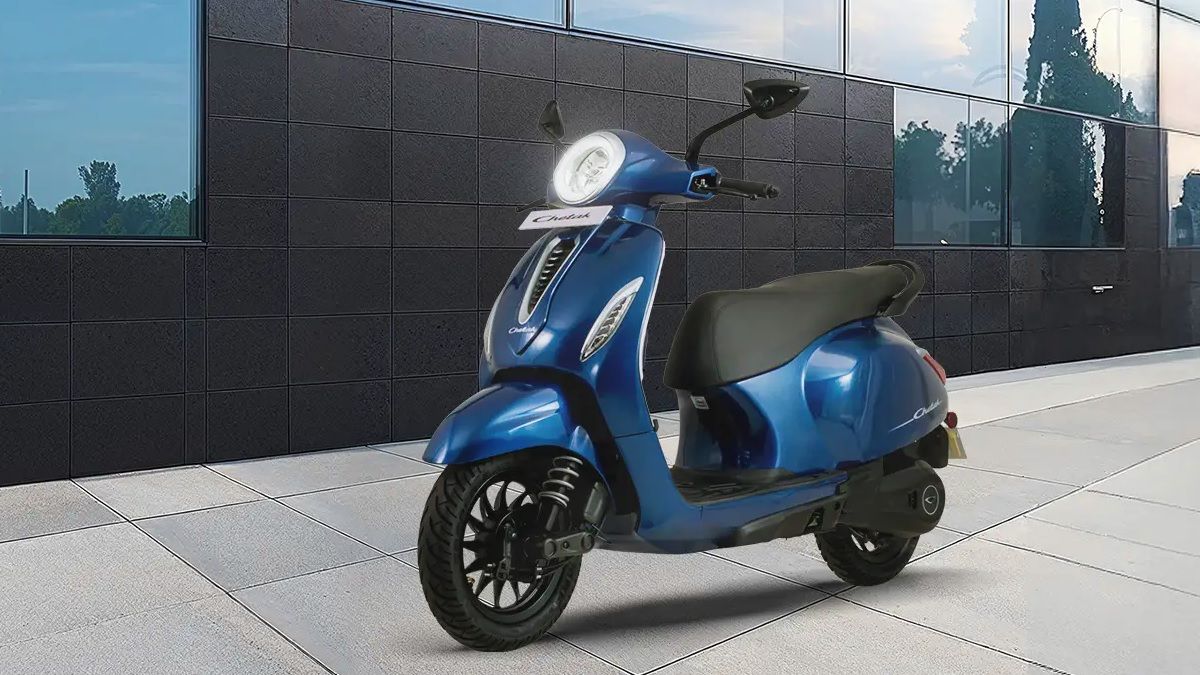
Out of the additional 3,37,394 electric scooters sold in H1 2026 compared to H1 2025, a whopping 95.6% (3,22,621 units) were sold by just four brands: TVS Motor, Bajaj Auto, Hero Vida, and Ather Energy. These four companies now control over 75% of the total market share. Leading the pack, TVS registered sales of over 2.6 lakh units, closely followed by Bajaj Auto with 2.25 lakh units. Ather Energy maintained its solid footing with 1.74 lakh units, while Hero’s EV arm, Vida, made a stellar leap with 1.09 lakh units.
The Startup Slump: Ola Electric's Waning Dominance
In contrast to the soaring success of legacy brands, Ola Electric, which once spearheaded the Indian EV revolution, saw a significant dip in its market momentum. Ola recorded sales of only 68,148 units in H1 2026. Industry analysts attribute this decline to persistent customer service complaints, quality control issues, and a lack of traditional brick-and-mortar touchpoints. Other smaller players like Greaves Auto (45,240 units), River (22,490 units), and BGUSS Auto (20,276 units) are also finding it difficult to scale up against the massive distribution networks of legacy players.
Why Legacy Brands are Winning the Trust War
The transition of Indian buyers from early adopters to mainstream consumers has changed the purchasing criteria. Mainstream buyers prioritize reliability, build quality, and easily accessible after-sales service over flashy software features. Legacy brands like TVS and Bajaj have leveraged their decades-old dealership networks and robust supply chains to offer a seamless ownership experience, successfully winning over skeptical buyers who were previously hesitant to switch to electric mobility.