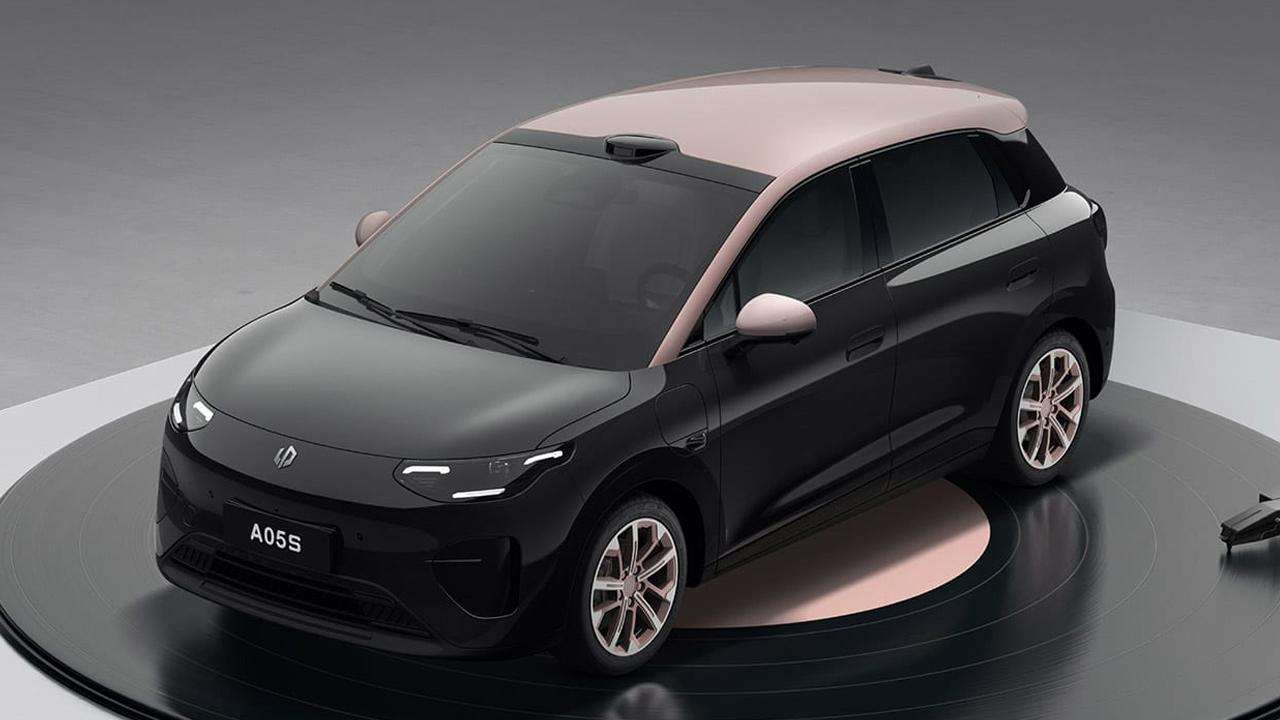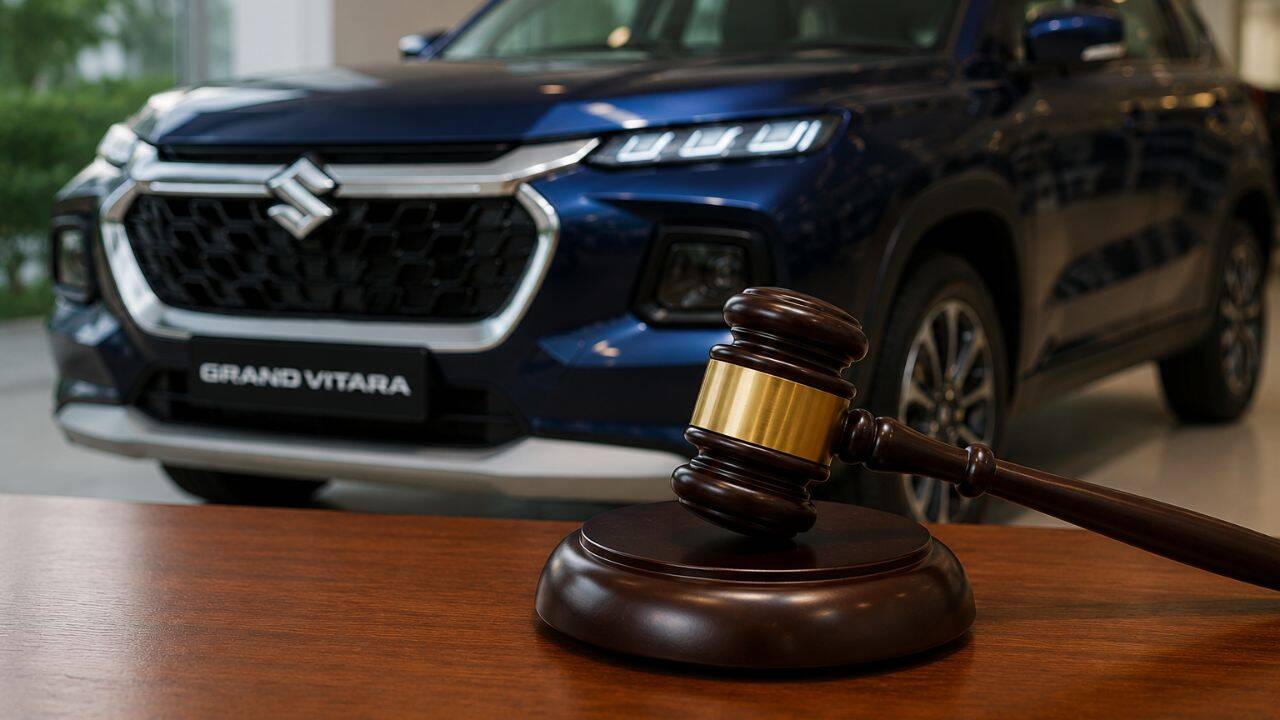
Maruti Suzuki announced its intention to appeal a consumer court order that mandates replacing a Grand Vitara with an E20‑compatible model, arguing the vehicle was already suited for E20 fuel and that the issue stemmed from contaminated fuel.
Key Takeaways (मुख्य बिंदु)
- Maruti Suzuki will challenge the consumer court's vehicle‑replacement order.
- The company asserts the car was E20‑compatible and fault lies with fuel contamination.
- Non‑compliance could force a full refund and compensation to the customer.
The Raipur District Consumer Disputes Redressal Commission issued an order on July 14 directing Maruti Suzuki and its dealer to replace Dr. Premraj Devta's Grand Vitara Strong Hybrid with a new E20‑compatible vehicle of the same model. The decision followed the doctor’s complaints that the SUV began developing persistent technical problems after the widespread rollout of E20 petrol.
Dr. Devta, a 41‑year‑old kidney specialist, purchased the Grand Vitara in June 2024 for ₹18.29 lakh. He claims he was never informed at the time of purchase that the vehicle could not operate fully on the ethanol‑blended fuel. Maruti Suzuki, however, maintains that the car was designed for E20 fuel, as stated in the owner's manual, and points to evidence of fuel contamination as the root cause of the breakdowns.
Historical Background
India began a phased introduction of E20 (20% ethanol‑blended petrol) in 2025 to reduce dependence on fossil fuels and cut emissions. Automakers were required to recalibrate engines and modify fuel systems to meet the new standard. While several manufacturers successfully launched E20‑compatible models, inconsistencies in fuel quality across regions have led to a spike in consumer grievances, prompting courts to intervene in multiple cases.
Maruti Suzuki, the country’s largest car maker, argues that the contamination of the fuel supplied to the vehicle is the primary factor behind the repeated failures, not any manufacturing defect. This stance has reignited a broader industry debate on the responsibilities of fuel suppliers, manufacturers, and dealers in ensuring the integrity of blended fuels.
Industry expert Dr. Rajesh Singh noted, "Ensuring fuel purity and proper E20 usage is a shared responsibility of manufacturers and dealers."
Why This Matters (इसके मायने क्या हैं)
According to BozokMedia analysis, consumer court rulings like this serve as a litmus test for the automotive sector’s readiness to handle blended fuels. If Maruti Suzuki’s appeal succeeds, manufacturers may be compelled to provide more robust evidence of E20 compatibility, thereby strengthening consumer confidence and prompting stricter fuel quality controls.
Moreover, the case highlights the practical challenges of rolling out E20 nationwide. Persistent fuel contamination could erode trust in greener fuel initiatives, affect vehicle resale values, and impose additional compliance costs on automakers, influencing the overall economic landscape of the Indian auto industry.
Frequently Asked Questions (अक्सर पूछे जाने वाले प्रश्न)
Question 1: What happens if Maruti Suzuki does not comply with the order?
Answer: The company must replace the vehicle within 45 days or refund the full purchase price, including RTO charges, insurance, a ₹1 lakh mental agony compensation, and a ₹10,000 litigation fee, with 7% annual interest on delayed payments.
Question 2: How can fuel contamination issues be prevented in the future?
Answer: Strengthening refinery standards, conducting regular fuel quality audits, and implementing dealer‑to‑consumer awareness programs are essential steps to mitigate contamination risks.