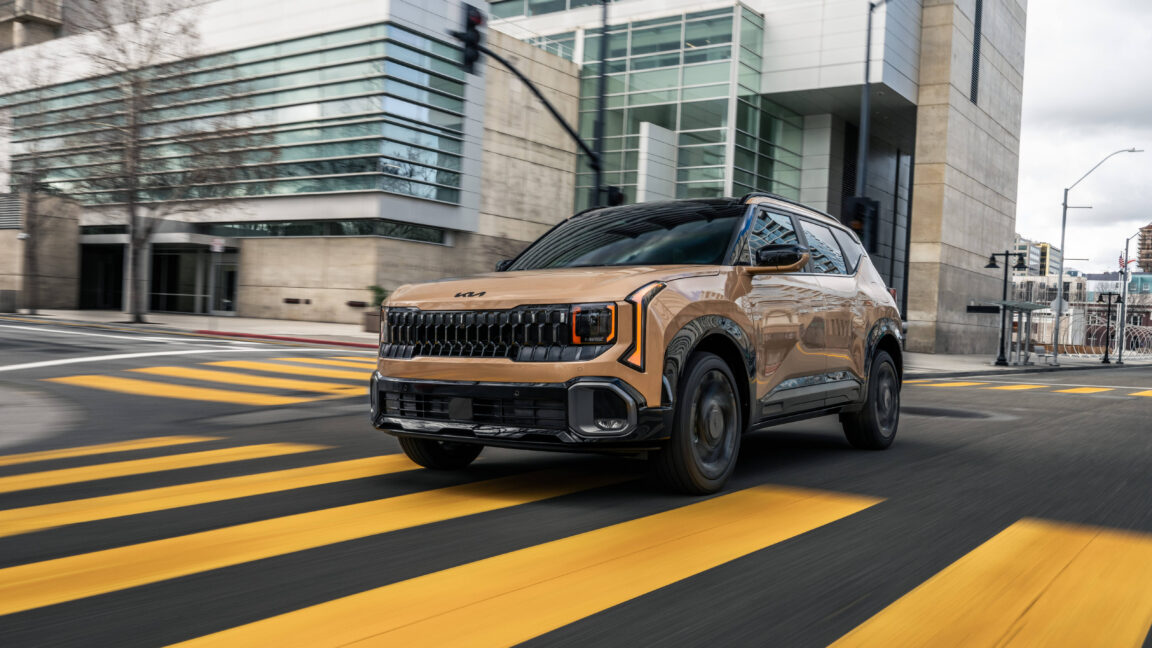
As automakers pivot to cloud-dependent features, owners face a new risk: software obsolescence. Discover what happens when your car's digital brain shuts down.
Imagine a world where your car's most advanced features—the ability to pre-cool the cabin via an app, remote door locking, or automatic emergency calling—suddenly vanish. This isn't science fiction; it is the looming reality of software-defined vehicles. While automakers are racing to integrate cloud-based conveniences, they are simultaneously creating a ticking clock for the digital lifespan of your vehicle.
The convenience of modern connectivity is undeniable. From real-time navigation updates to remote diagnostics, the cloud has become the nervous system of the modern automobile. However, unlike the engine or the chassis, which can last decades with proper maintenance, cloud services are subject to the whims of corporate lifecycles. When a manufacturer decides to sunset a server or stop supporting an older software architecture, the 'smart' aspects of your vehicle may become instant paperweights.
Why This Matters (इसके मायने क्या हैं)
BozokMedia analysis shows that this shift fundamentally redefines the concept of vehicle ownership. Traditionally, a car was a tangible asset with a predictable depreciation curve based on mechanical wear. In the era of connectivity, ownership is becoming a hybrid of hardware and a continuous service. This introduces a new type of risk: digital obsolescence, which could drastically impact the resale value of modern cars.
Furthermore, this creates a complex economic dynamic. For manufacturers, it offers a pathway to recurring revenue through software subscriptions. For the consumer, it introduces uncertainty. If critical safety features, such as automated crash notifications, rely on a cloud connection that is eventually discontinued, the implications extend beyond mere inconvenience into the realm of public safety and liability.
The true longevity of a modern vehicle will no longer be measured by its mileage, but by the duration of its software support.
Historical Background
The evolution of connected services began in the 1990s, most notably with the introduction of General Motors' OnStar. These early iterations were primarily voice-centric and relied on rudimentary centralized back-end systems. Today, we have transitioned into a hyper-connected era where Over-the-Air (OTA) updates allow vehicles to evolve even after they leave the showroom, utilizing sophisticated high-speed data links and massive cloud infrastructures.
| Feature | Traditional Vehicles | Connected Vehicles |
|---|---|---|
| Core Dependency | Mechanical Components | Software & Cloud Infrastructure |
| Lifespan Factor | Physical Durability | Software Support Lifecycle |
| Maintenance | Physical Service Visits | Remote OTA Updates |
Frequently Asked Questions (अक्सर पूछे जाने वाले प्रश्न)
Question 1: Will my car stop driving if the cloud service ends?
Answer: No, the mechanical functions (driving, braking, steering) will remain intact, but the smart, connected features will cease to function.
Question 2: How can I protect my investment?
Answer: Consumers should inquire about the guaranteed software support duration and the manufacturer's policy on legacy system maintenance before purchasing.