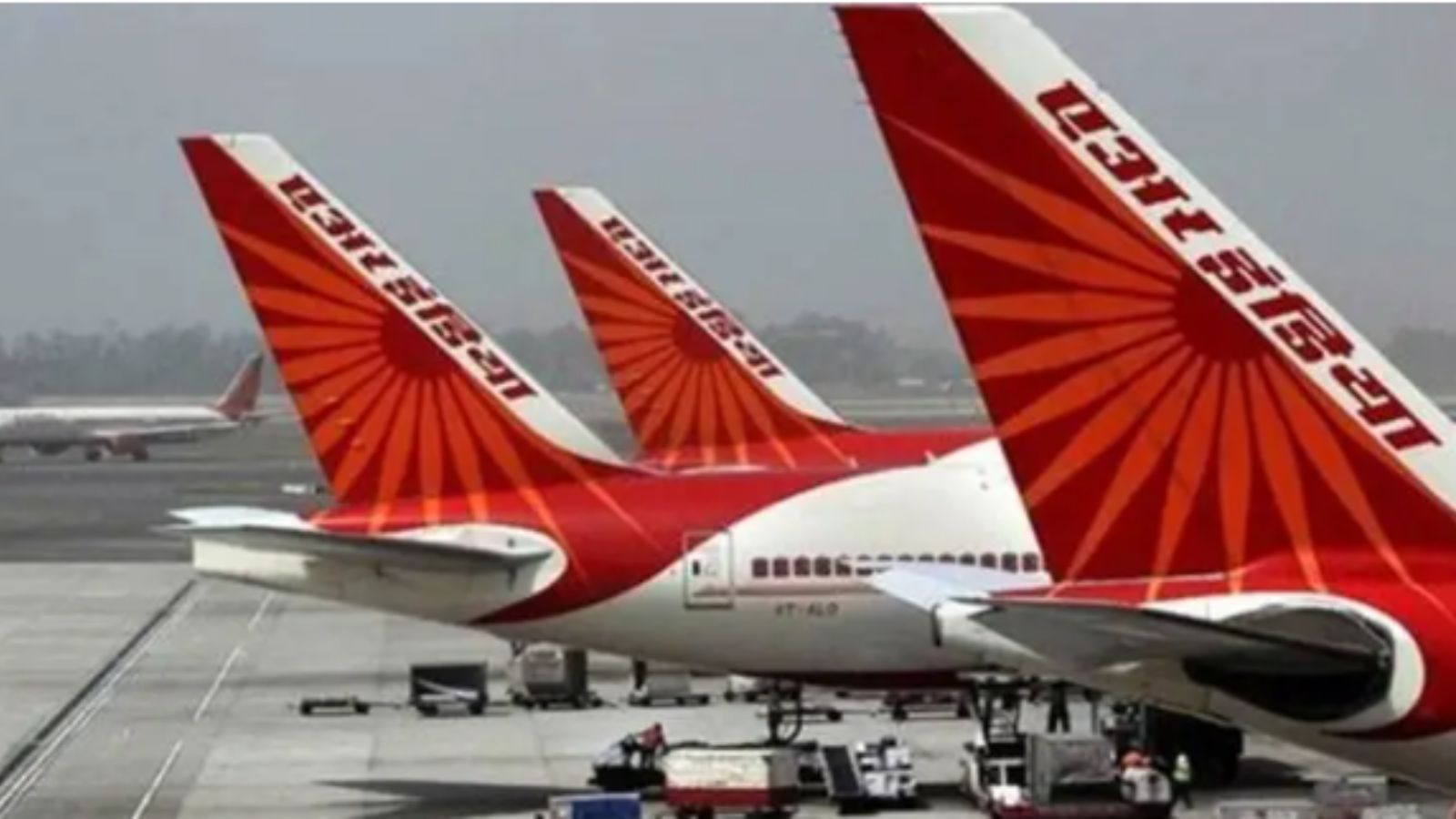
Following a positive marijuana test for an Air India captain, the Ministry of Civil Aviation has proposed mandatory annual drug testing for all pilots to enhance flight safety.
- Ministry of Civil Aviation proposes 100% annual drug testing for all pilots.
- Proposal follows a positive marijuana test for an Air India captain during a flight incident.
- Current regulations only mandate random testing for 10% of pilots.
- The incident involved a sudden altitude drop in an Air India flight on August 4.
In a significant move to bolster aviation safety, the Ministry of Civil Aviation (MoCA) has suggested that all pilots should undergo mandatory drug testing once a year. This proposal, announced by Civil Aviation Minister K Rammohan Naidu, marks a potential shift from the current regulation where only 10% of pilots are subject to annual random testing.
The push for stricter protocols comes in the wake of a serious incident involving an Air India flight from Phuket to Delhi on August 4. During the flight, an Airbus A320 experienced a sudden altitude drop of approximately 300 feet, resulting in injuries to 20 passengers and four cabin crew members. Subsequent investigations revealed that the captain of the flight tested positive for marijuana.
Why This Matters
BozokMedia analysis shows that this policy shift is a direct response to the heightened risk perceived in the industry following the Air India incident. While the airline initially attributed the altitude drop to severe turbulence, the pilot's positive drug test has shifted the focus toward human error and substance abuse. Implementing universal testing would drastically reduce the margin for error but raises questions regarding the operational logistics and costs for airlines.
Ensuring pilots are drug-free is not just about compliance; it is the fundamental cornerstone of passenger trust in global aviation.
The Federation of Indian Pilots (FIP) has also entered the fray, urging the Directorate General of Civil Aviation (DGCA) to expand the scope of random testing from the current 10% to at least 25%. In response to the specific incident, the Air India group has already initiated a one-time mandatory testing drive for its entire fleet of approximately 5,000 pilots.
Regulatory Framework and Testing Protocols
Under current DGCA Civil Aviation Requirements (CAR), aviation personnel, including pilots and air traffic controllers, are tested for six categories of psychoactive substances, including cocaine, opiates, and cannabis. The process involves a two-step verification: an immediate screening test followed by a high-complexity confirmatory test to prevent false positives caused by certain medications.
Frequently Asked Questions
1. What triggered the proposal for annual pilot drug testing?
The proposal was triggered after an Air India pilot tested positive for marijuana following a sudden altitude drop incident in August.
2. How many pilots are currently tested annually in India?
Under current DGCA regulations, only 10% of the pilot network undergoes random drug testing each year.