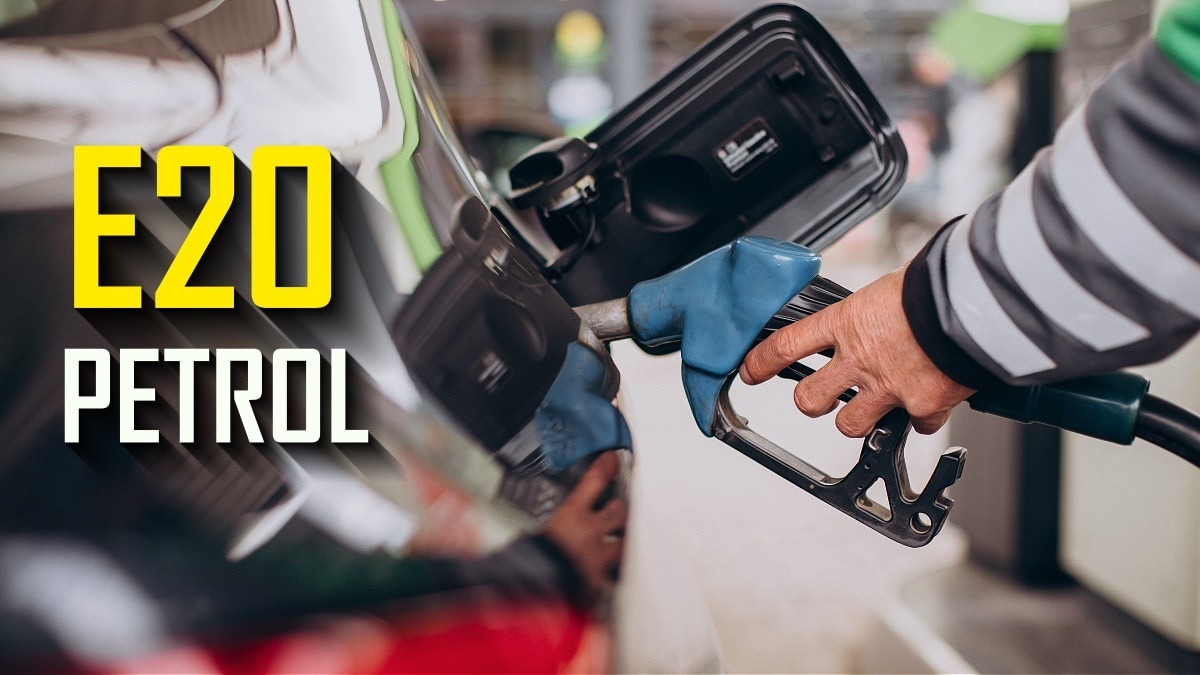
Following complaints from automobile manufacturers regarding high chloride and moisture levels in E20 petrol, the Indian government is preparing to mandate stricter fuel quality standards. The Bureau of Indian Standards (BIS) is working on new regulations to prevent engine damage.
- Automobile companies raised concerns over high chloride and moisture in E20 fuel.
- The government plans to make contaminant limits mandatory for fuel suppliers.
- Bureau of Indian Standards (BIS) is developing new quality protocols.
- The current 3 PPM chloride limit may shift from voluntary to mandatory.
The debate surrounding E20 petrol (20% ethanol-blended fuel) has intensified in India following alarming reports from the automotive sector. Several vehicle manufacturers have flagged issues where high levels of chloride and moisture contamination in the supplied fuel have led to the premature failure of critical engine components.
In response to these grievances, the Indian government is moving beyond just monitoring ethanol blending percentages to enforcing strict fuel quality standards. The primary objective is to ensure that the fuel reaching petrol pumps meets stringent purity criteria, thereby protecting the longevity of consumer vehicles.
Why This Matters
BozokMedia analysis shows that while ethanol blending is a cornerstone of India's energy independence strategy, technical failures in fuel quality can undermine the entire transition. If contaminated fuel causes widespread engine damage, it could lead to massive warranty claims for manufacturers and a significant loss of consumer confidence in green fuels.
High chloride levels in fuel can trigger rapid corrosion in metallic engine parts, leading to catastrophic component failure.
According to media reports, the Bureau of Indian Standards (BIS) is actively working on defining these new parameters. Currently, the standard for chloride contamination in E20 petrol is set at less than 3 PPM (Parts Per Million), but this remains a voluntary quality standard. The government is now considering making this a mandatory requirement for all Oil Marketing Companies (OMCs) and fuel supply agencies.
Historical Background
India's Ethanol Blending Program (EBP) was launched to reduce oil imports and support the agricultural sector. The roadmap progressed from E10 to the current E20 mandate. However, the hygroscopic nature of ethanol—its tendency to absorb water from the atmosphere—has introduced new complexities in fuel storage and distribution that the industry is now grappling with.
Frequently Asked Questions
1. What is E20 Petrol?
E20 petrol is a blend consisting of 80% gasoline and 20% ethanol.
2. How does chloride affect a car engine?
Excessive chloride in fuel causes chemical corrosion of metal parts within the engine, leading to mechanical failure.