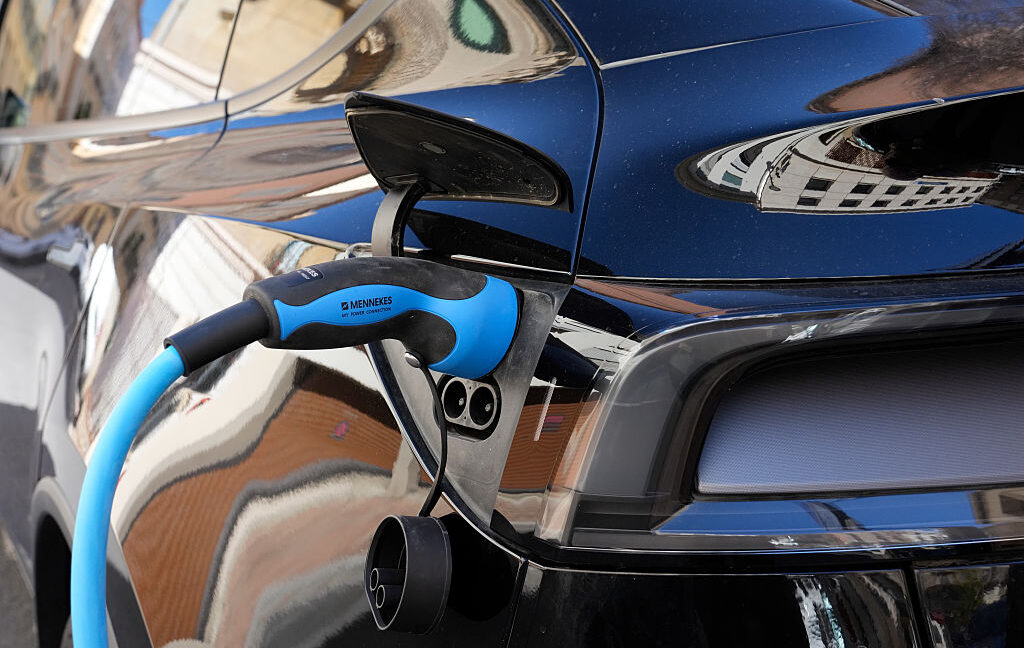
A groundbreaking study suggests that electric vehicle batteries are far more durable than feared, retaining roughly 90% of their capacity even after 150,000 km of usage.
- Used EVs retain approximately 90% of usable battery capacity after 150,000 km.
- Battery durability is no longer a significant technical barrier to EV adoption.
- Standard warranties typically cover 8 years or 160,000 km.
For years, the primary deterrent for petrol and diesel car owners switching to electric vehicles (EVs) has been the fear of battery degradation. However, a new comprehensive study has debunked these concerns, showing that most used EVs maintain about 90 percent of their original usable battery capacity after covering 150,000 kilometers.
This surge in confidence comes at a critical time. While global EV sales have spiked due to volatile fuel prices, the long-term reliability of the battery pack remained a point of contention in consumer forums and automotive reviews.
Why This Matters
BozokMedia analysis shows that this data significantly reduces the perceived risk of purchasing pre-owned electric vehicles. As the 'battery fear' diminishes, we expect a surge in the secondary EV market, making sustainable mobility accessible to a wider economic demographic.
"The evolution of cell chemistry and sophisticated thermal management has turned battery longevity from a liability into a strength for modern EVs."
Industry standards for battery warranties generally span eight years or 100,000 miles (160,000 km). Under these agreements, manufacturers are legally obligated to replace the battery if its capacity drops below a specific threshold, typically 70 percent. The study indicates that the vast majority of vehicles perform far better than this minimum warranty requirement.
Historical Background
In the early days of mass-market EVs, battery technology was less refined, and some early adopters experienced faster-than-expected capacity loss. This created a lasting stigma. However, the shift toward LFP (Lithium Iron Phosphate) and improved NMC (Nickel Manganese Cobalt) chemistries has drastically slowed the degradation process.
| Metric | Consumer Fear | Study Findings |
|---|---|---|
| Capacity after 150k KM | Significant Drop (50-60%) | ~90% Retention |
| Warranty Threshold | 70% Minimum | Well above 70% for most |
Frequently Asked Questions
Q1: Do all EV batteries degrade at the same rate?
A: No, degradation varies based on battery chemistry, charging habits (fast charging vs. slow charging), and extreme weather conditions.
Q2: What happens if my battery drops below 70% during the warranty period?
A: Most manufacturers will either repair the pack or replace the battery entirely at no cost to the owner.