Following a sudden altitude drop on an Air India flight and a pilot testing positive for psychoactive substances, the DGCA has ordered a one-time drug screen for all 14,000 pilots across Indian airlines.
- DGCA has ordered a one-time psychoactive substance test for all pilots in India by July next year.
- The move follows an Air India Phuket-Delhi flight incident where the pilot tested positive for drugs.
- The Ministry of Civil Aviation is proposing an increase from 10% random annual testing to 100% mandatory annual testing.
- 24 people were injured after an Airbus A320 suffered a sudden 300-foot altitude drop.
The Directorate General of Civil Aviation (DGCA), India's aviation safety regulator, has issued a sweeping directive requiring all Indian airlines to conduct a comprehensive one-time drug test for their entire pilot workforce. This drastic measure comes in the wake of a harrowing incident involving an Air India flight, where the pilot-in-command tested positive for the use of psychoactive substances.
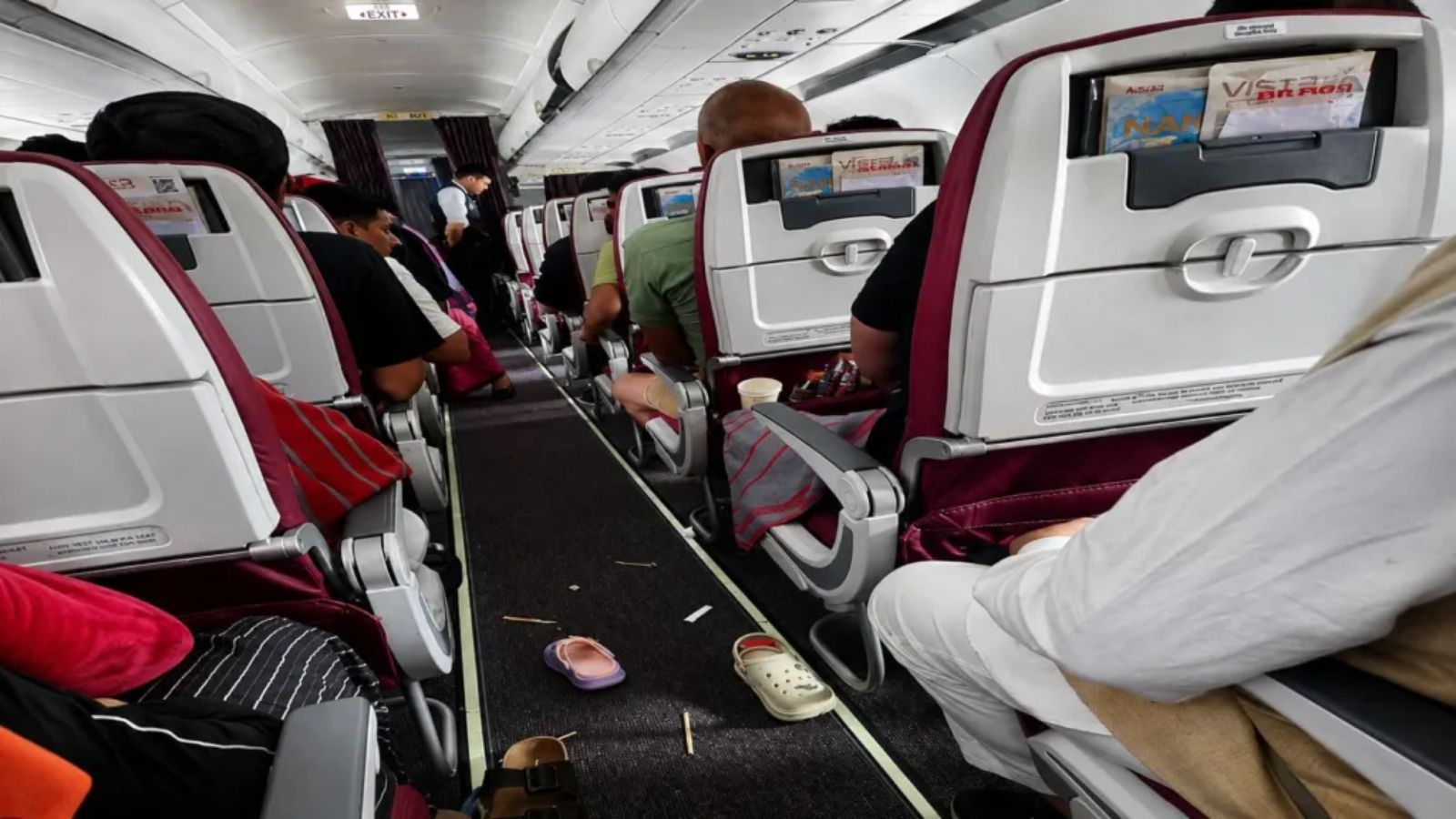
The catalyst for this regulatory crackdown was an Air India Airbus A320 (VT-EXO) operating from Phuket to Delhi on August 4. The aircraft experienced a sudden 300-foot altitude drop mid-air, resulting in injuries to 20 passengers and four crew members. The Aircraft Accident Investigation Bureau (AAIB), in its preliminary report, highlighted a triple hydraulic failure and confirmed that the 34-year-old pilot's drug test was 'non-negative'.
Why This Matters
BozokMedia analysis shows that this incident exposes a critical vulnerability in the current random testing framework. When a pilot-in-command is under the influence of psychoactive substances, the risk of catastrophic failure increases exponentially. The transition from random sampling to universal testing indicates that the regulator is no longer satisfied with statistical probability and is moving toward absolute verification of pilot sobriety.
"In aviation, there is no room for 'mostly safe'; the standard must be absolute compliance to ensure passenger survival."
Currently, DGCA's Civil Aviation Requirements (CAR) mandate that only 10% of pilots and air traffic controllers undergo random testing annually. However, Civil Aviation Minister K Rammohan Naidu has suggested that this be increased to a mandatory annual test for every single pilot, reflecting a shift toward a more stringent safety protocol.
The testing process is designed to avoid errors. Urine samples are split into two containers. An initial screening is performed; if it returns a 'non-negative' result, the pilot is immediately grounded. A second, more complex confirmatory test is then conducted at a designated laboratory to rule out false positives caused by legitimate medications or food items.
Air India acted swiftly following the AAIB report, sacking the pilot involved in the Phuket incident. The airline had also voluntarily initiated tests for its 5,000 pilots before the DGCA's nationwide mandate was issued.
Frequently Asked Questions
Q1: Why did the DGCA order tests for all pilots?
A: The order follows an Air India incident where a pilot tested positive for drugs after a flight suffered a sudden altitude drop, prompting a need for a comprehensive safety sweep.
Q2: What happens if a pilot fails the confirmatory drug test?
A: Depending on the frequency of the offense, the pilot may be sent to a rehabilitation center for a first-time offense or face severe disciplinary action and permanent grounding for repeat violations.