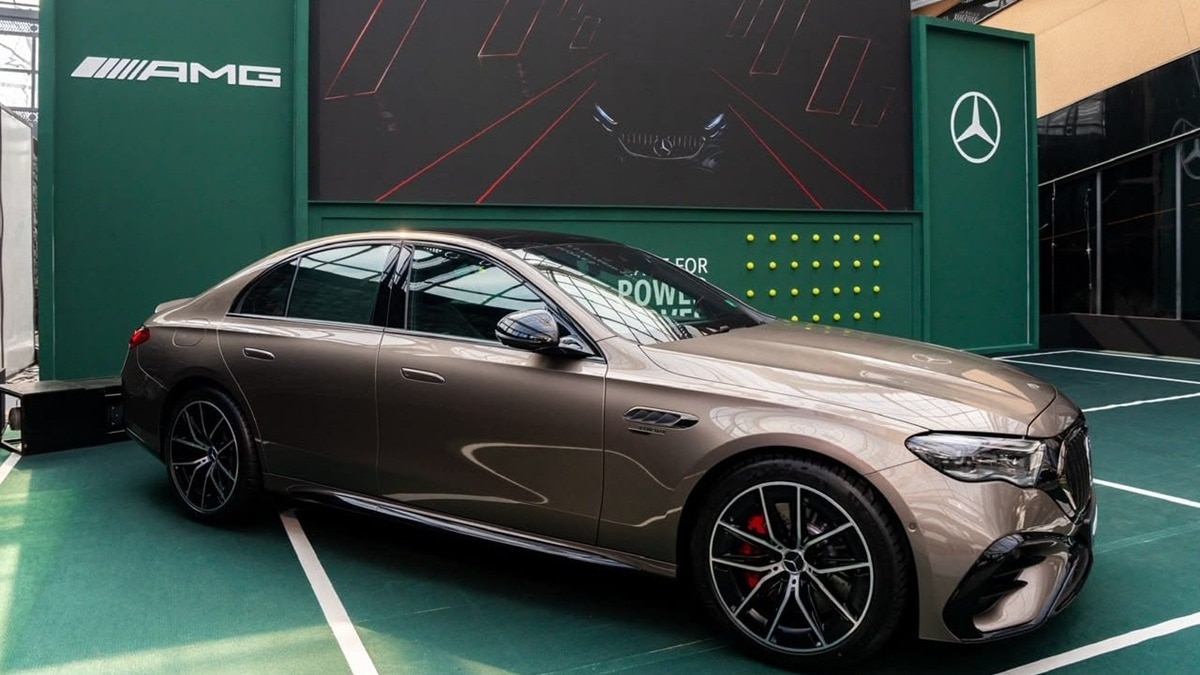
A major German automaker is leapfrogging current E20 standards, announcing readiness for E25 fuel integration by January 2026. This move signals a massive shift in sustainable automotive engineering.
Key Takeaways
- A leading German automaker will be E25-ready starting January 2026.
- This surpasses the current global focus on E20 fuel standards.
- The move positions the brand at the forefront of sustainable fuel technology.
The automotive industry is witnessing a paradigm shift in fuel compatibility. While much of the world is currently transitioning toward E20 fuel (a 20% ethanol blend), a prominent German car manufacturer has announced a much more ambitious timeline. The company is set to be fully E25-ready by January 2026.
This strategic move highlights the manufacturer's commitment to high-performance engineering and environmental sustainability. E25, which contains a 25% ethanol blend, requires advanced engine components and precise calibration to ensure durability and efficiency, setting a new standard for the industry.
Why This Matters
BozokMedia analysis shows that this move is not just about fuel; it is a strategic play for future-proofing the brand against tightening environmental regulations. By preparing for E25 well ahead of widespread adoption, the manufacturer is securing its position in the next generation of the green mobility market.
Advancing fuel blend compatibility is a testament to superior engine architecture and a proactive approach to global decarbonization.
Historically, the automotive sector has evolved through various fuel stages, from pure gasoline to E5, E10, and E20. Moving toward E25 represents the next critical evolution in internal combustion engine (ICE) technology, bridging the gap between traditional fuels and a fully electric future.
Frequently Asked Questions
Question 1: What is E25 fuel?
Answer: E25 is a fuel blend consisting of 25% ethanol and 75% gasoline.
Question 2: Why can't all cars use E25?
Answer: E25 requires specific material compatibility in fuel lines and specialized engine tuning to prevent corrosion and performance issues.