Diljit Dosanjh's long‑delayed film 'Satluj' was pulled from ZEE5 within two days, prompting fans across Punjab to organise community screenings. Actor Suvinder Vicky opens up about the film’s censorship battle, on‑set challenges and the unexpected wave of public support.
After a turbulent three‑year wait, Diljit Dosanjh’s much‑anticipated movie Satluj finally premiered on July 3, 2026, only to be removed from the ZEE5 OTT platform after 48 hours. The abrupt takedown triggered a spontaneous, grassroots movement in Punjab, where fans have been setting up private screenings in homes, describing the effort as a form of ‘seva’ (service).
Censorship Roadblocks and the Film’s Premise
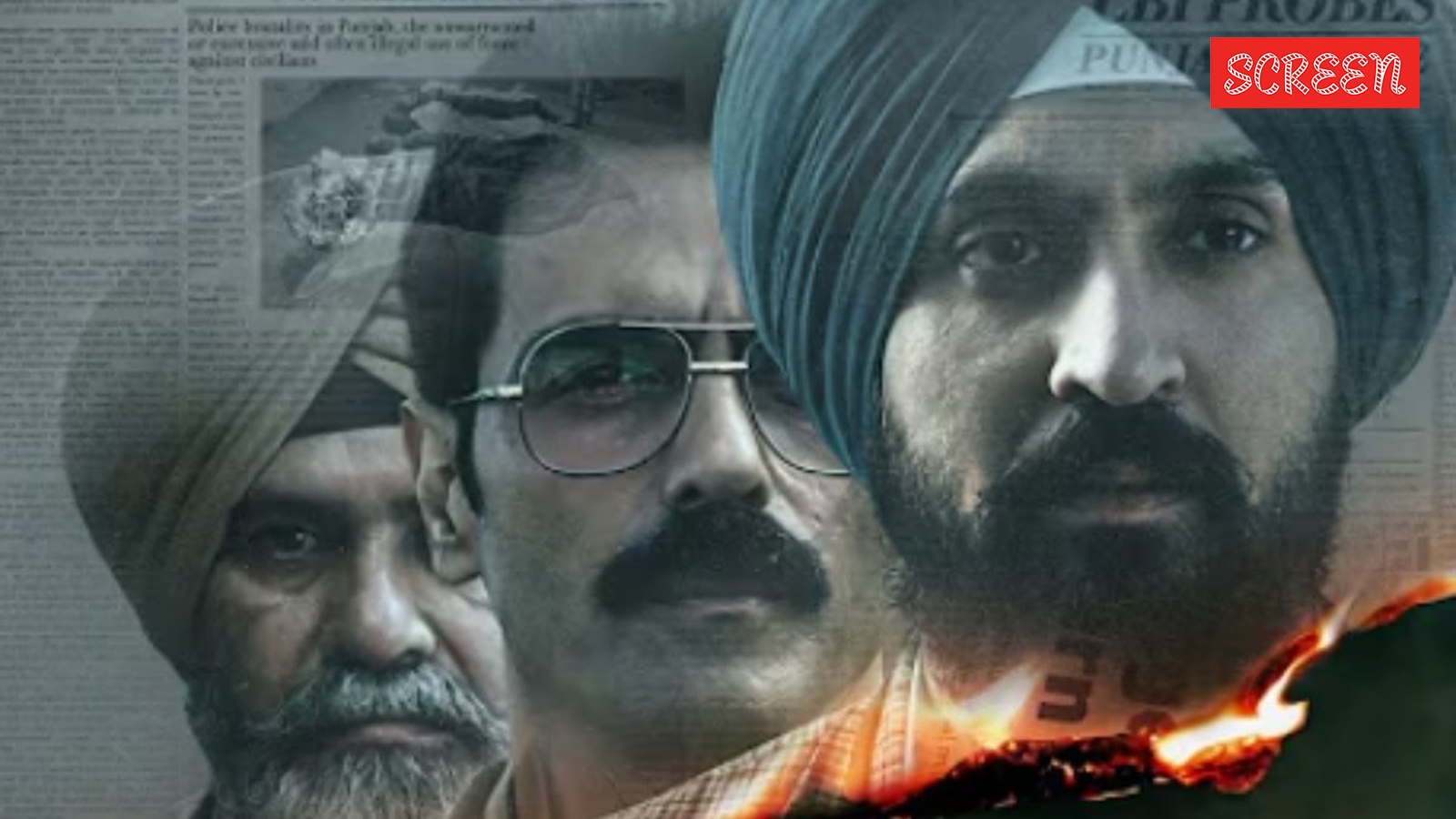
Based on the 1995 Khalra case, Satluj dramatizes the cat‑and‑mouse chase between police officer SSP Surjit Singh Sugga (played by Suvinder Vicky) and human‑rights activist Jaswant Singh Khalra (portrayed by Diljit). The Central Board of Film Certification (CBFC) repeatedly stalled the project, causing a multi‑year delay. When the film finally reached digital audiences, political pressure and legal challenges led to its swift removal, reigniting the debate over artistic freedom in India.
On‑Set Insights from Suvinder Vicky
In an exclusive interview with NDTV, Vicky praised Diljit’s professionalism, noting that both actors stayed in character throughout the shoot, keeping the set unusually quiet. “We didn’t indulge in small talk. He was very professional and didn’t like unnecessary disturbance because he wanted to stay in character,” Vicky recalled. He also described the grueling torture sequence where Khalra is hanged while Sugga throws pamphlets at him. “Every time I threw the pamphlet, it had to land on a precise spot. Missing even once meant another take,” he said.
The ‘Saag Scene’ – A Test of Subtle Menace
According to Vicky, the most demanding moment on set was not the climax but a scene now colloquially known as the “saag scene.” Director Honey Trehan insisted that Vicky convey intimidation without shouting or physical aggression. “The fear had to come through simple conversation. Honey was extremely particular about every detail,” Vicky explained, highlighting the director’s commitment to authenticity.
Community‑Driven Distribution After the Ban
Even after the film vanished from ZEE5, fans continued to circulate it. Many had already downloaded the movie before the takedown; now they share it with neighbours, relatives and local community centres, treating the act as a civic duty. “People are treating it like seva. It’s about making sure the truth reaches everyone,” Vicky said, underscoring the public’s resolve to keep the story alive.
Implications for the Indian Film Industry
Satluj’s unconventional journey spotlights the fragile balance between censorship, OTT platforms and audience rights in India. If community screenings become a regular response to bans, they could evolve into a new distribution model that safeguards controversial content while pressuring regulators to reconsider heavy‑handed restrictions. The episode also signals a growing appetite among Indian viewers for bold, fact‑based storytelling.