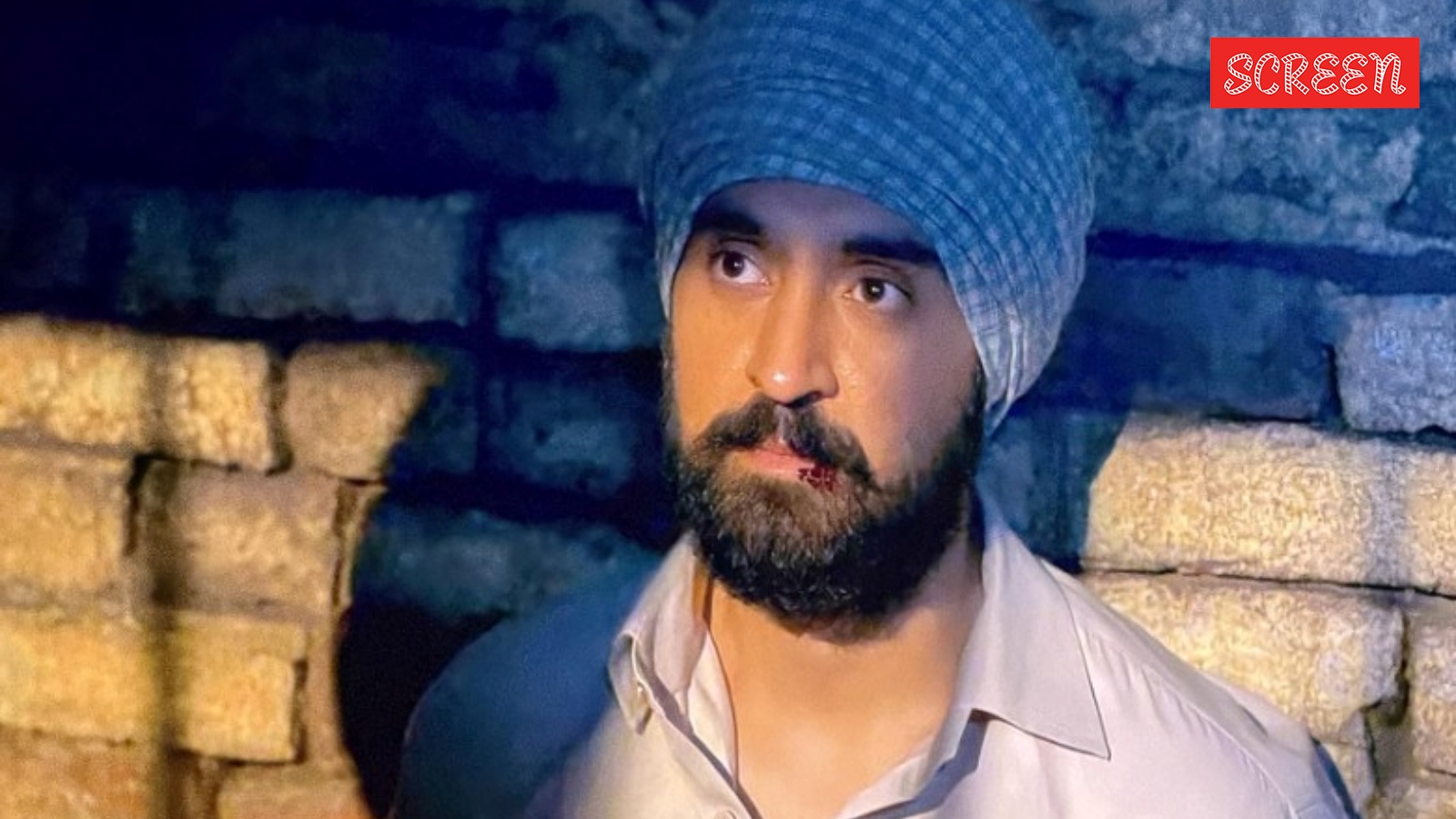
A public interest litigation has been filed in the Punjab and Haryana High Court demanding the reinstatement of Diljit Dosanjh’s film Satluj on ZEE5, citing a breach of free‑speech rights after the film was removed within 48 hours of its release.
After its debut on ZEE5 on July 3, Diljit Dosanjh’s latest feature, Satluj, was abruptly taken down on July 5. In response, a public interest litigation (PIL) was filed in the Punjab and Haryana High Court by subscriber Shravan Singh, challenging the removal on constitutional grounds and demanding transparency from the platform and authorities.
Free‑Speech and Lack of Transparency
The petitioner argues that the removal violates Article 19(1) of the Indian Constitution, which guarantees freedom of speech and expression. He questions the absence of any publicly disclosed legal basis for the takedown, urging the court to compel ZEE5 and the government to explain the rationale behind the decision.
Security Concerns and CBFC Stalemate
Reports indicate that the Centre directed ZEE5 to remove the film citing “security concerns” and obligations under the Information Technology (Intermediary Guidelines and Digital Media Ethics Code) Rules, 2021. The controversy traces back to 2022, when the film—originally titled Punjab 95—was submitted to the Central Board of Film Certification (CBFC). The board’s proposed 127 cuts were rejected by the makers, stalling certification. The film was later released directly on OTT under a new title, a move that bypassed CBFC jurisdiction and prompted the government’s intervention.
Support from Sikh Organisations
The Delhi Sikh Gurdwara Management Committee (DSGMC) has called for public screenings of Satluj, condemning the removal as an attempt to suppress the story of human‑rights activist Jaswant Singh Khalra. The committee stresses that the film brings to light the alleged mass cremation of 25,000 unidentified bodies in Punjab during the 1980s‑90s.
Community Screenings and Piracy
After the takedown, actors such as Suvinder Vicky have reported community screenings using downloaded copies, while pirated versions of the film have appeared online. These grassroots efforts underscore the public’s demand for access to the film’s narrative.
Implications for Digital Content Governance
The case raises critical questions about how security concerns, censorship, and free‑speech rights intersect in India’s burgeoning OTT ecosystem. A favorable ruling for the PIL could set a precedent for greater accountability and clarity in content removal decisions.