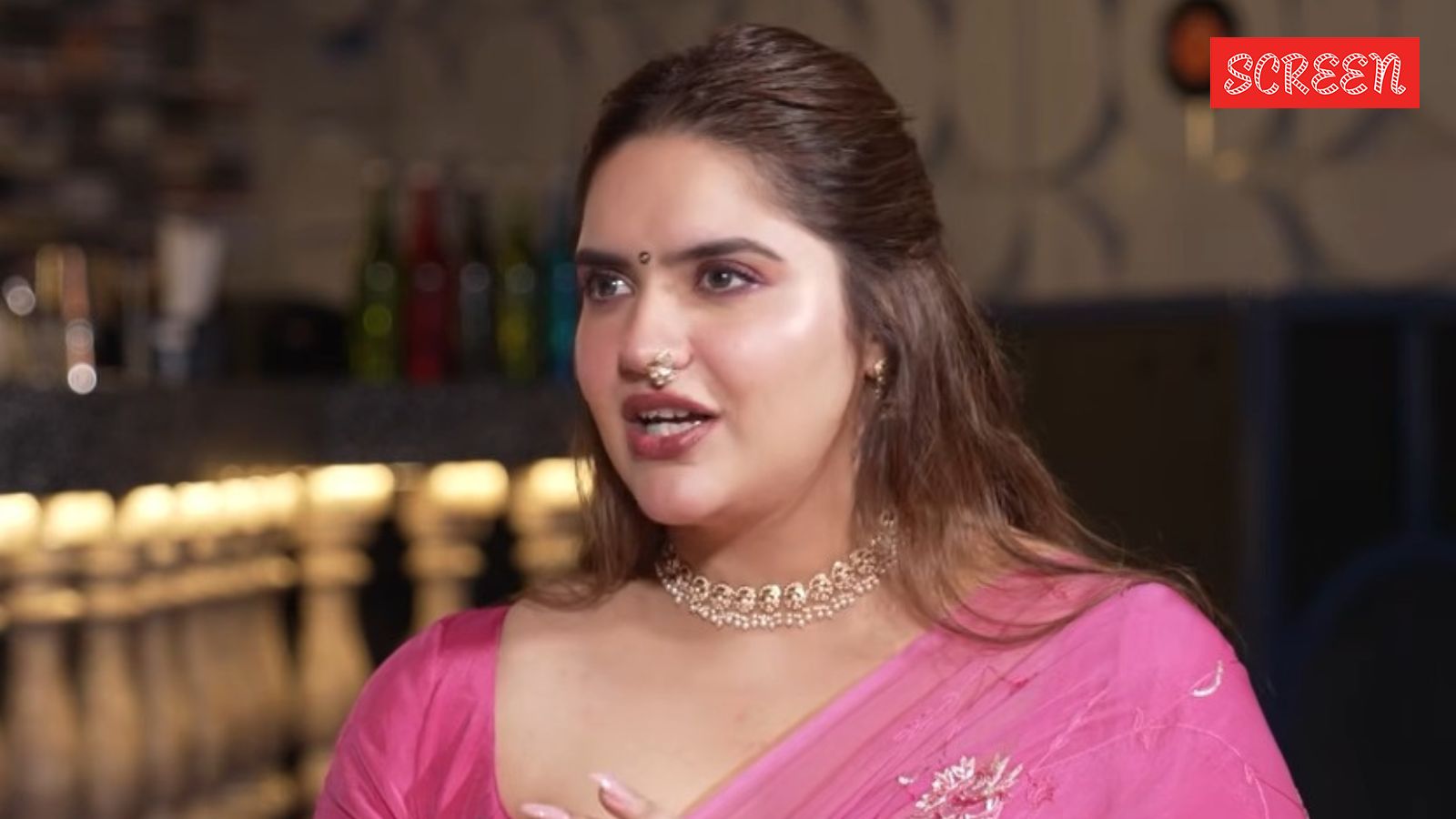
Bollywood’s plus‑size actress Anjali Anand opens up about being typecast for comic relief. She details her experiences in Bell Bottom, Rocky Aur Rani Ki Prem Kahaani and Dhamaal 4, highlighting ongoing body‑shaming in the industry.
Key Takeaways
- Her debut film role in Bell Bottom was limited to a slap‑stick scene.
- Rocky Aur Rani Ki Prem Kahaani gave her a platform to challenge body‑shaming.
- Plus‑size actors continue to face stereotyped casting across Bollywood.
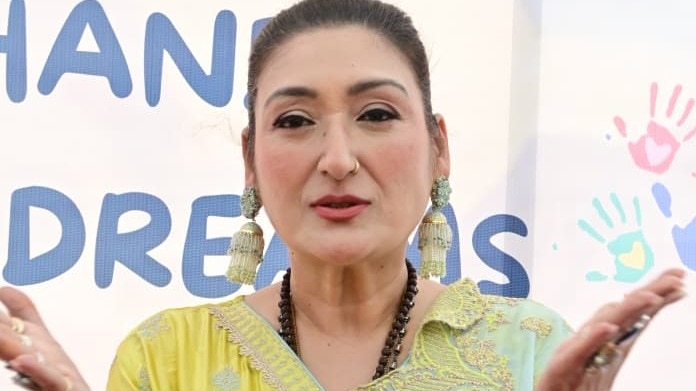
In a candid interview with SCREEN, Bollywood actress Anjali Anand revealed how her physical appearance has repeatedly dictated the kind of roles she receives. After a stint on television, her first big‑screen appearance came in Akshay Kumar’s 2024 action‑drama *Bell Bottom*. Anand explained, “I was in Bell Bottom only so that one terrorist could fall on top of me and get caught.” The line underscores how her body was used as a visual gag rather than a character driven by talent.
Typecasting of Plus‑Size Actors
Anjali argues that “these roles are offered to me because I am fat, not because I am a good actor.” She points out that even established stars such as Deepika Padukone, Aishwarya Rai, Shah Rukh Khan and Amitabh Bachchan have faced criticism over their looks, indicating that body‑shaming is a systemic issue, not a one‑off bias against newcomers.
Breaking the Mold in Rocky Aur Rani Ki Prem Kahaani
In Karan Johar’s *Rocky Aur Rani Ki Prem Kahaani*, Anand’s character finally stood up against body‑shaming—a first for a plus‑size woman in mainstream Hindi cinema. “Earlier, a fat girl was just a comic prop, eating large portions or being the butt of a joke. No one gave her a voice,” she said. The film’s narrative gave her a moment to speak out, yet she admits it also placed her in a new “box” that she is trying to break with projects like *Dabba Cartel* and *Raat Jawan Hai*.
Backlash Over Dhamaal 4
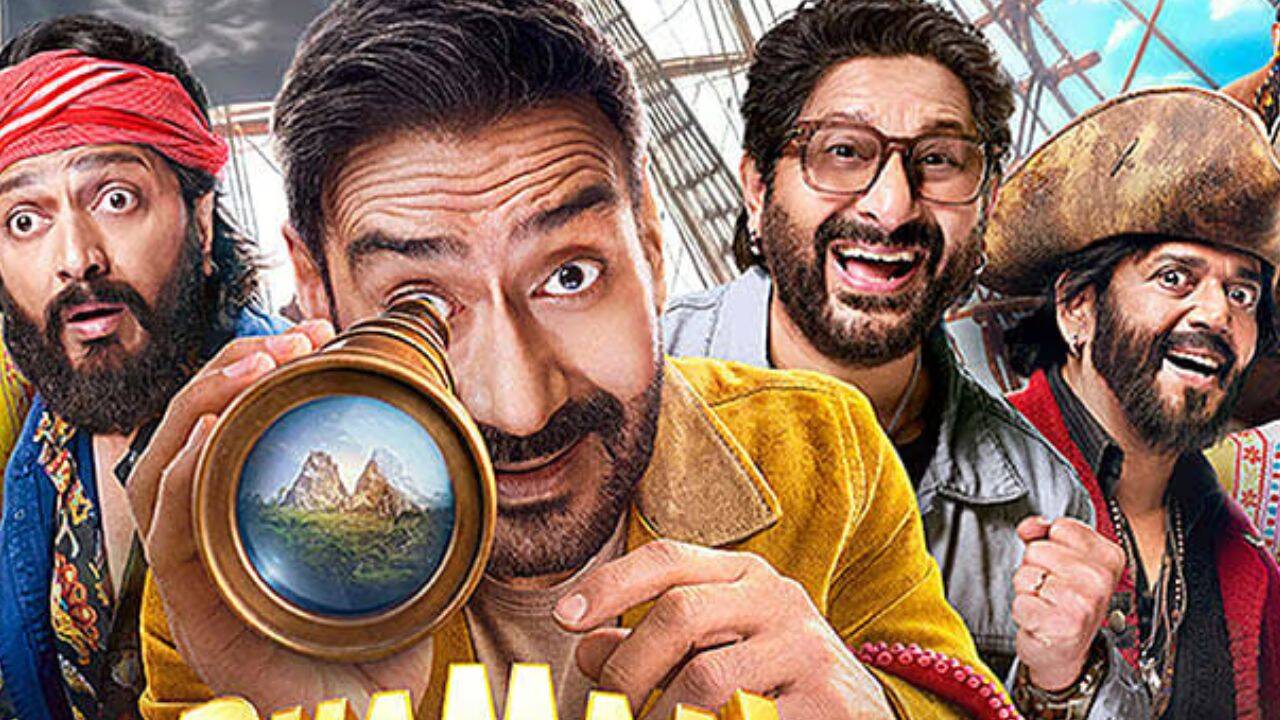
The controversy resurfaced when Anand appeared in *Dhamaal 4*, which contains several fat‑shaming jokes. She faced a torrent of online trolling, with comments ranging from “Kis bhains ko le liye?” to “Industry ke kya din aa gaye, heroine nahi bachi hai kya?” Anand’s response was measured: “Society still mocks me even after I’ve proved myself. Until society changes, scripts won’t change.”
Her story is a microcosm of a broader industry challenge: the need for authentic representation of diverse bodies, and the responsibility of filmmakers to move beyond tokenistic humor. As Anand emphasizes, real change will require both audience acceptance and a shift in the creative mindset of writers and producers.