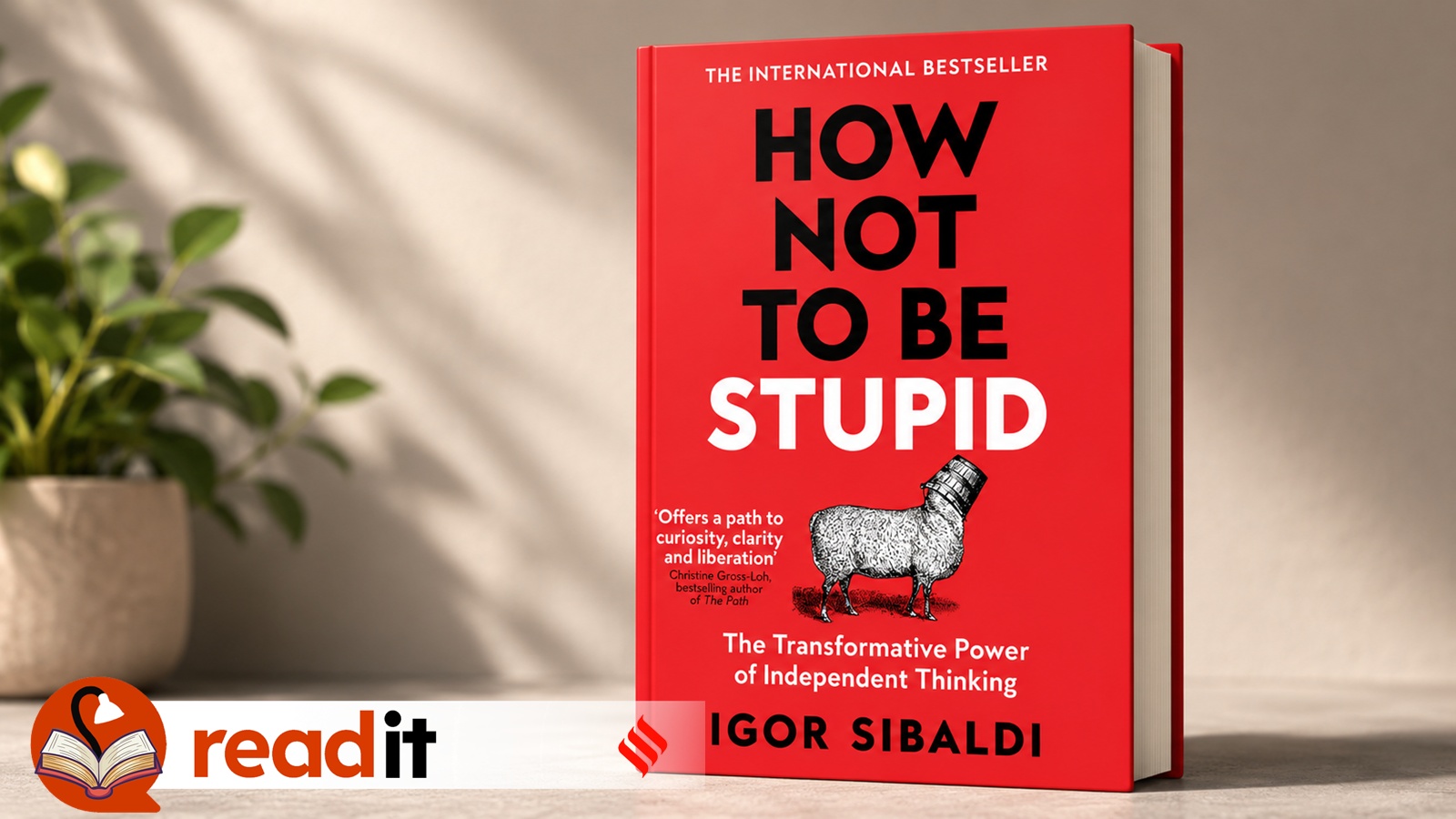
Italian philosopher Igor Sibaldi argues that the insult ‘stupid’ is less about lack of intellect and more about social conventions that freeze independent thought. His new book, *How Not to be Stupid*, maps twelve functions where we slip into stupidity and offers a path to free thinking.
Key Takeaways
- ‘Stupid’ is a conventional label that limits independent judgment.
- Sibaldi identifies 12 “functions” where we commonly act stupidly.
- Embracing independent thinking can transform personal and societal decisions.
About the Book
Igor Sibaldi, bestselling author of ‘Disobedience’, returns with ‘How Not to be Stupid: The Transformative Power of Independent Thinking’, a 200‑page exploration of language, thought, and social norms. The work goes beyond a self‑help manual; it challenges the very words we use to describe reality.
The Real Definition of ‘Stupid’
While the Oxford Dictionary lists ‘stupid’ as “showing a lack of thought or good judgement,” Sibaldi argues that the term is a social convention, much like ‘reality’ or ‘politics’, that we accept without question. Calling someone ‘stupid’ often requires no deep understanding of the concept.
Historical Background
The word stems from the Latin *stupeo*, meaning “to stand still.” Throughout history, it has been wielded to suppress dissent—whether in wartime, politics, or education. Sibaldi seeks to break this chain by urging readers to move beyond static labels.
The Twelve Functions
Sibaldi outlines twelve areas—communication, self‑defense, authority, wealth, perceived obstacles, and more—where we tend to default to “stupidity.” Each function is illustrated with real‑world examples, helping readers spot their own blind spots.
Why This Matters
BozokMedia analysis shows that today’s social‑media algorithms amplify conventional language, making independent thought harder to nurture. Sibaldi’s book offers a practical roadmap to reclaim mental autonomy.
“Challenging the conventional use of language is the first step toward true intellectual freedom.”
Frequently Asked Questions
Q1: Is the book only for academic readers?
A: No, its accessible style invites everyday readers to rethink their assumptions.
Q2: Does it include practical exercises?
A: Yes, the epilogue features a test based on the twelve functions for self‑assessment.