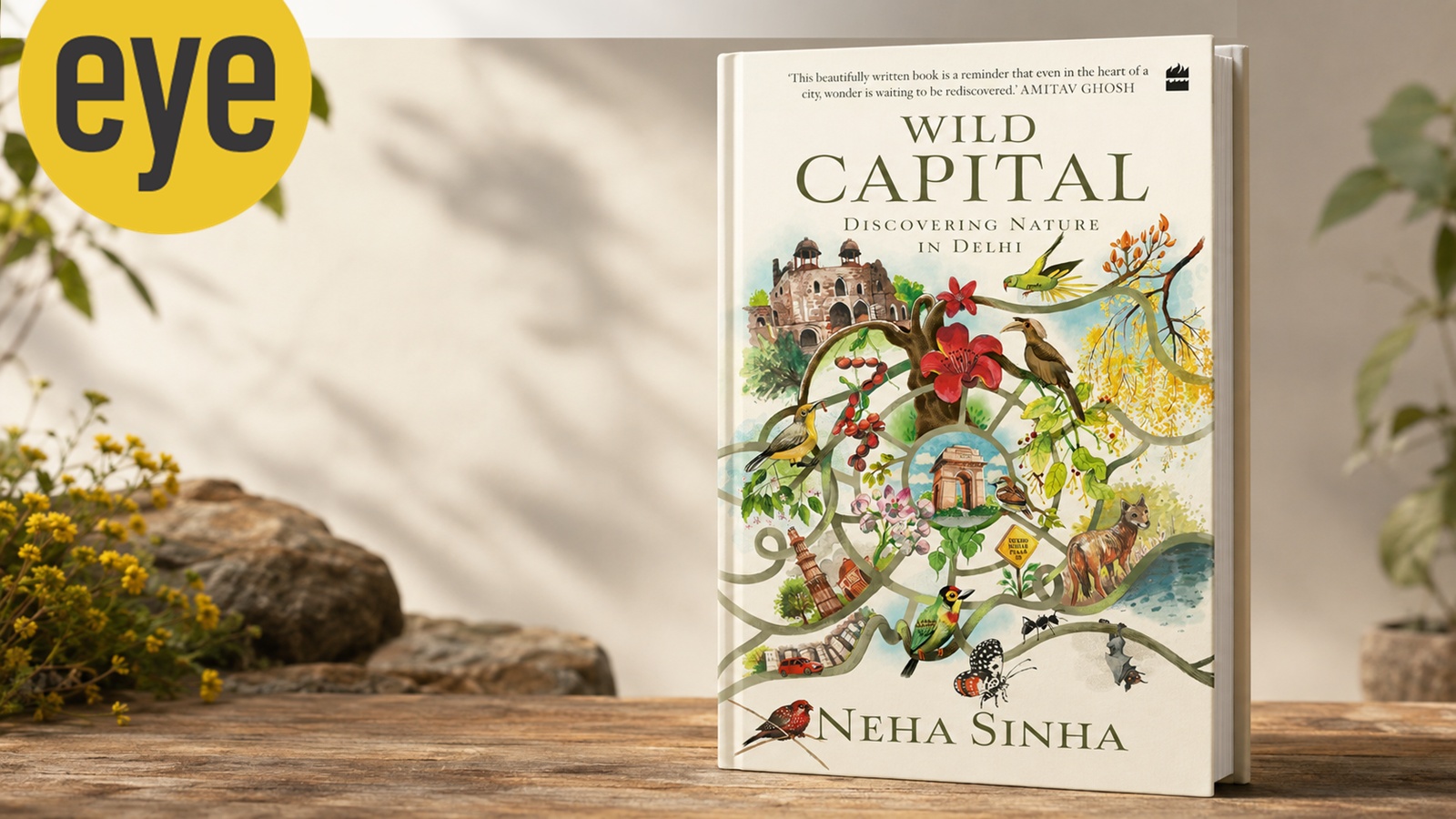
Neha Sinha’s latest work, *Wild Capital*, uncovers the vibrant wildlife thriving within Delhi’s concrete jungle. From towering semal trees to golden jackals and a still‑living Yamuna, the book paints a picture of a city where nature persists against odds.
Key Takeaways
- Delhi still hosts a surprisingly rich urban wildlife
- Simple stewardship of trees and water can safeguard ecosystems
- Small community actions can reverse habitat fragmentation
Overview
In *Wild Capital: Discovering Nature in Delhi*, naturalist Neha Sinha invites readers to explore the hidden green veins of India’s capital. Semal and vajradanti trees, amaltas blossoms, kites over Old Delhi, and golden jackals that roam the Ridge after dusk all coexist with the city’s relentless growth.
Author’s Personal Journey
Sinha’s love for nature began in a modest garden at her childhood home, where she observed insects, watched birds build nests, and learned seasons by the bloom of trees. That early immersion cultivated a habit of patient observation and a curiosity that fuels the book’s narrative.
Urban Expansion vs. Natural Resilience
The book notes that wetlands have shrunk, old trees felled, and natural rhythms disrupted by relentless urbanisation. Yet, Sinha stresses that nature hasn’t vanished—it’s become more fragmented and vulnerable, urging readers to ask, “How do we save these bewildering places?”
Why This Matters
BozokMedia analysis shows that even megacities like Delhi can nurture biodiversity through modest, locally‑driven interventions. Planting native species and protecting small water bodies can create resilient micro‑habitats that benefit both wildlife and human well‑being.
“Urban ecosystems can thrive when citizens adopt simple, nature‑friendly practices,” says ecologist Dr. Alisha Khan.
Frequently Asked Questions
Question 1: Can ordinary residents actually spot wildlife in Delhi?
Answer: Yes—especially around the Ridge, remaining wetlands, and mature tree corridors.
Question 2: What practical steps does the book recommend for everyday conservation?
Answer: Plant native trees, maintain small water features, and create insect‑friendly gardens.