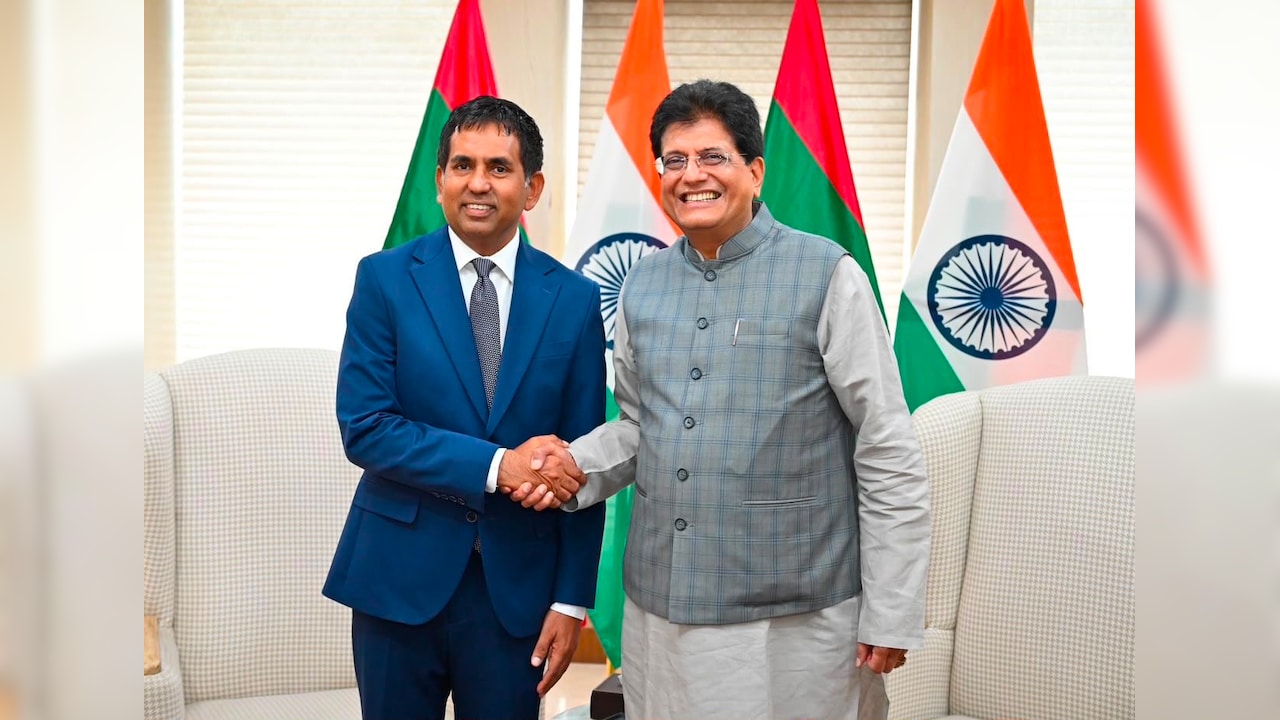
India's Commerce and Industry Minister Piyush Goyal and Maldives' Minister of Economic Development, Transport and Trade Mohamed Saeed met in New Delhi to discuss a prospective free trade pact. Both sides pledged to craft a detailed roadmap that could unlock new trade and investment opportunities between the two nations.
In a bid to strengthen bilateral economic cooperation, India and the Maldives held a high‑level meeting that could pave the way for a comprehensive free trade agreement (FTA). The discussion was led by Minister Piyush Goyal, India's Minister of Commerce and Industry, and Mohamed Saeed, Maldives' Minister of Economic Development, Transport and Trade, during Saeed's official visit to India.
Historical backdrop
Diplomatic ties between New Delhi and Malé date back to 1976, but trade and investment links have deepened significantly over the past two decades. India has emerged as both a major supplier and buyer for the island nation, especially in sectors such as fisheries, pharmaceuticals, textiles, and information technology. In addition to commercial exchanges, India has provided maritime security assistance, infrastructure financing, and technical training, fostering a robust strategic partnership.
Key objectives of the proposed FTA
The envisaged agreement aims to eliminate or substantially reduce tariffs, streamline cross‑border investment protocols, and facilitate the free flow of services. Analysts suggest that Maldives' tourism sector could benefit from a surge in Indian visitors, while Indian pharmaceuticals, chemicals, and agricultural products would gain preferential access to a niche market in the Maldives.
Regional and geopolitical context
India's push for deeper economic integration in South Asia aligns with its broader Indo‑Pacific strategy, which seeks to counterbalance growing Chinese influence. By solidifying trade ties with the Maldives—a strategically located archipelago in the Indian Ocean—India reinforces its maritime outreach and creates a counterweight to competing regional powers.
Implementation challenges and next steps
Successful implementation will require both sides to simplify customs procedures, adopt harmonised regulatory standards, and support small and medium enterprises (SMEs) in navigating the new regime. Environmental vulnerabilities of the low‑lying Maldives, along with investment‑protection concerns, also need careful handling. The ministers agreed to institutionalise a regular dialogue platform and organise trade missions to connect potential businesses.
Overall, the dialogue signals a fresh thrust in India's foreign and economic policy, one that promises mutual gains while bolstering regional stability through deeper economic interdependence.