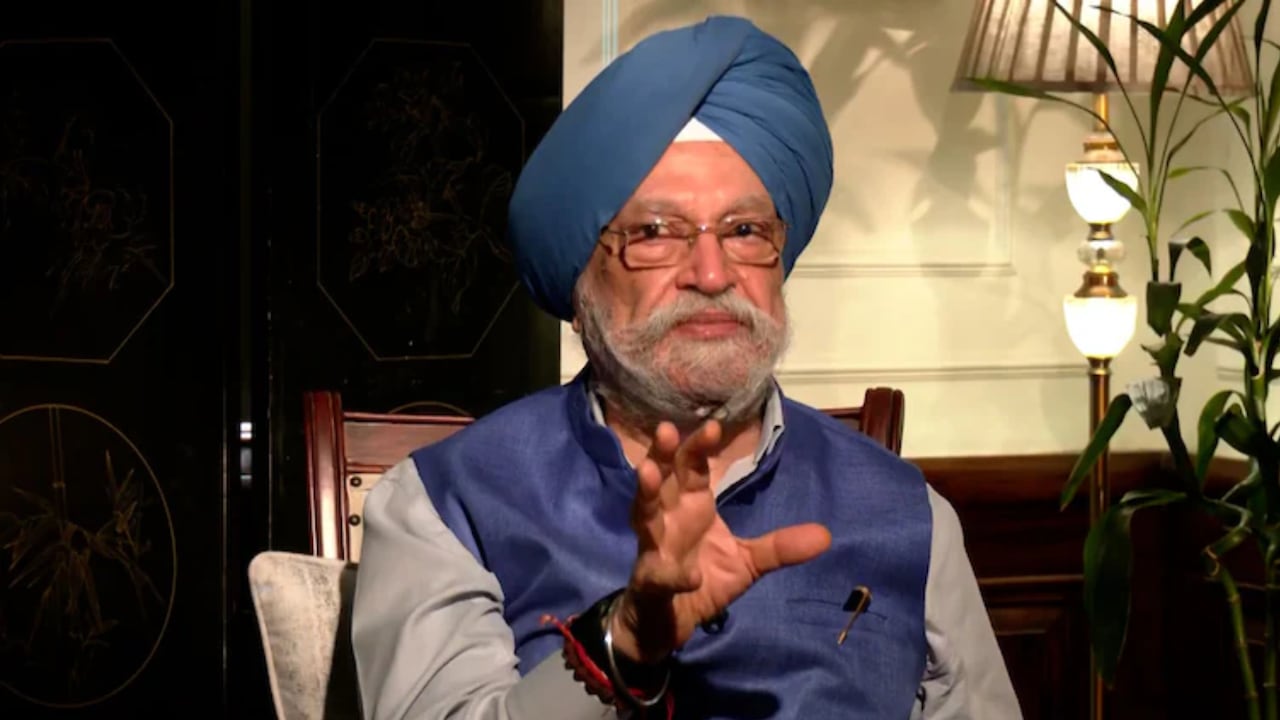
Petroleum Minister Hardeep Puri accused NDTV of spreading fear over the E‑20 biofuel policy, likening the backlash to last year’s manufactured LPG panic. He highlighted that India’s biofuel push has saved roughly ₹1.9 lakh crore in foreign exchange and reduced import dependence amid Hormuz‑linked market volatility.
India’s Petroleum and Natural Gas Minister Hardeep Puri confronted NDTV’s probing questions on the E‑20 biofuel mandate, branding the criticism as "deliberate fearmongering." He argued that the timing of the uproar matters more than its substance, urging observers to focus on data rather than emotion.
Parallels with the 2023 LPG Panic
Drawing a direct line to the 2023 LPG price spike, Puri said the current backlash mirrors a "manufactured panic" that was sparked by short‑term price volatility rather than any structural flaw. "When we look at the facts, the fear around E‑20 is no different from the hysteria we saw with LPG," he told the broadcaster.
Economic Impact of the Biofuel Initiative
According to the minister, the biofuel programme has already generated an estimated ₹1.9 lakh crore in foreign‑exchange savings. This cushion is especially valuable given the heightened uncertainty in global oil markets linked to the Hormuz Strait, where geopolitical tensions can cause abrupt price swings.
Beyond forex savings, the policy aims to curb India’s reliance on imported crude. By blending 20 % ethanol (E‑20) into gasoline, the government hopes to reduce the net import bill and fortify energy security. "Domestic production insulates us from external shocks," Puri emphasized.
Political and Social Reactions
The E‑20 rollout has sparked a spectrum of reactions. Opposition parties and farmer unions have raised concerns that diverting crops for ethanol could threaten food security, while industry groups praise the move as a catalyst for rural income growth. Puri dismissed the most vocal critics as “emotional responses,” insisting that the policy is rooted in rigorous economic modelling.
Future Roadmap for Biofuels
Looking ahead, the ministry plans to accelerate research into next‑generation biofuels, including genetically engineered feedstocks and algae‑derived diesel. These innovations are expected to lower production costs, improve fuel efficiency, and reduce the carbon footprint of India’s transport sector.
India’s long‑term target is to have biofuels account for 20 % of total petroleum consumption by 2030—a goal that aligns with the nation’s climate commitments and its ambition to become a net‑energy exporter. Puri stressed that achieving this milestone will require coordinated policy support, robust supply chains, and sustained public communication.
In sum, Minister Puri’s rebuttal to NDTV underscores a broader tension: the need to balance hard‑nosed economic data with the softer, yet equally important, societal concerns that accompany sweeping energy reforms. The E‑20 debate will likely continue to shape India’s energy narrative for years to come.