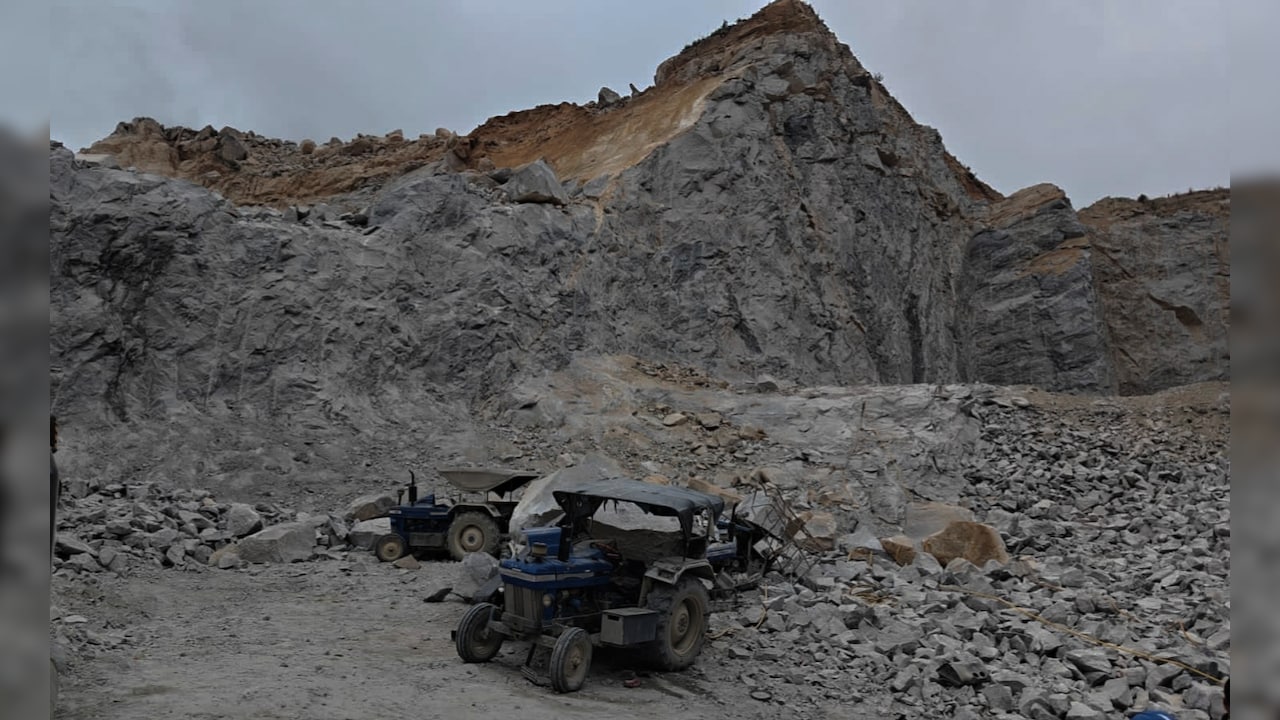
New excavation curbs in Tamil Nadu have delayed numerous construction projects, prompting the real‑estate developers' body CREDAI to demand an efficient mechanism from the government. The slowdown threatens timelines, financial returns and contractual obligations across the state.
The construction sector in Tamil Nadu is sounding the alarm over recently imposed excavation restrictions. According to the Continental Real Estate Developers Association of India (CREDAI), these curbs have halted or slowed down dozens of large residential and commercial projects, stretching delivery schedules and raising compliance concerns.
Policy Background and Rationale
In late 2023, the Tamil Nadu government introduced a stringent excavation policy aimed at protecting groundwater tables and preventing land subsidence. The rule mandates special permits for any drilling deeper than 30 metres and imposes a blanket ban on excavation in several high‑risk zones. While environmental groups praised the move, developers argue the rollout was abrupt and lacked sectoral consultation.
Projects Affected and Economic Impact
CREDAI estimates that roughly 150 major construction undertakings across the state are now stalled or progressing at a reduced pace. The list includes high‑rise residential complexes, shopping malls, and industrial parks. Developers contend that project delays erode investor confidence, jeopardize cash‑flow projections, and could result in breach of contractual commitments. Preliminary economic analyses suggest potential losses could top ₹2,500 crore annually.
CREDAI's Demands and Proposed Solutions
The association has urged the state to establish an "efficient mechanism" that would include:
- Formation of an independent expert panel to rapidly assess the technical merit of each excavation request.
- Streamlined approval processes for project‑specific soil‑stability and groundwater impact studies.
- Financial relief or tax incentives for projects forced into delay.
Such measures would mitigate developer risk while preserving the government's environmental objectives.
Government Response and Way Forward
Officials from the Water Resources Department acknowledge the environmental intent behind the policy but express willingness to work with developers. A "joint dialogue forum" is slated to be created, bringing together builders, environmental scientists and policymakers to refine implementation guidelines.
Expert Opinions
Urban‑planning scholar Dr. Rajesh Kumar notes that "sustainable development now demands a delicate balance between ecological safeguards and economic growth." He recommends incentivising advanced drilling technologies—such as treated‑water recycling—to lessen groundwater stress while maintaining construction momentum.
Overall, the excavation curbs have introduced a significant bottleneck for Tamil Nadu’s construction pipeline, yet they also underscore the pressing need for collaborative regulation. With transparent dialogue and innovative engineering solutions, the state can achieve both environmental resilience and infrastructure expansion.