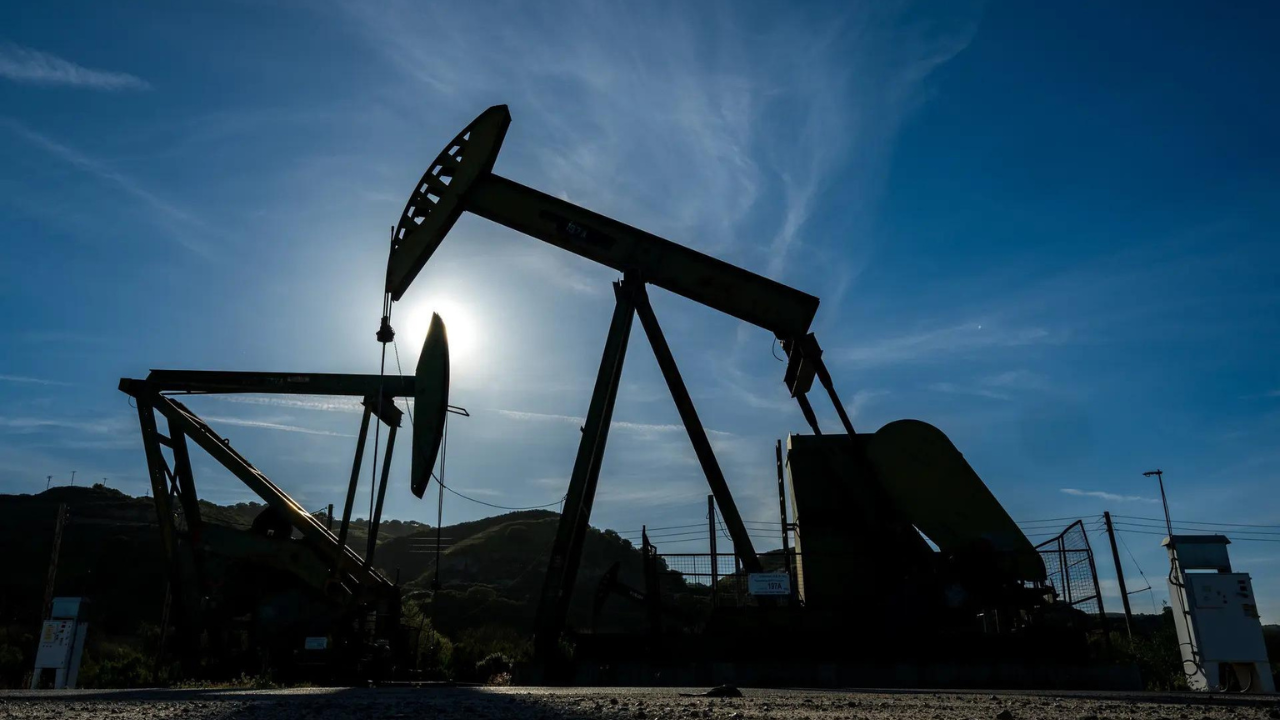
U.S. President Donald Trump cast doubt on the temporary truce between Iran and Israel, sparking market anxiety. Wall Street opened lower while Brent crude surged almost 5%, reigniting fears of supply disruptions.
Wall Street opened on a downbeat note after President Donald Trump declared the Iran‑Israel ceasefire "effectively over." "For me, I think it's over. They can talk, but I think they're wasting their time," Trump said, prompting investors to brace for a possible restart of hostilities.
Immediate Market Reaction
The S&P 500 slipped 0.5%, while the Dow Jones Industrial Average fell about 550 points (roughly 1%). The Nasdaq Composite dropped 0.2%, indicating a broad equity pullback across the U.S. market.
Oil Prices Spike
Energy markets reacted sharply. Brent crude rose 4.8% to $77.74 a barrel, briefly breaching the $79 level earlier in the session. Although still below the peaks seen at the height of the conflict, the jump erased recent declines that followed the ceasefire announcement.
Geopolitical Risks and Energy Supply
Analysts warn that a renewed flare‑up could jeopardise shipping through the Strait of Hormuz, one of the world’s most critical oil transit routes. Any interruption would delay crude deliveries, lift energy prices and add upward pressure on global inflation.
Corporate Impact
Companies with heavy fuel exposure felt the pressure. American Airlines shares fell 3.4%, while Norwegian Cruise Line Holdings dropped 2.4%. Housing‑related stocks also weakened as Treasury yields rose; Builders FirstSource slid 5.2%, and homebuilders PulteGroup and DR Horton fell 3.8% and 3.6% respectively.
Tech Sector Cushion
Some technology names helped limit the broader market decline. Nvidia edged up 0.3%, and Broadcom jumped 4% after Apple announced a multi‑year agreement worth over $30 billion to develop custom components with the chipmaker.
Bond Market and Global Trends
The benchmark 10‑year U.S. Treasury yield rose to 4.58% from 4.55%, reflecting heightened inflation concerns. European markets mirrored the U.S. dip; Germany’s DAX fell 1.6%. In Asia, South Korea’s Kospi slipped 5.3%, while Hong Kong’s Hang Seng rose 3%.